
Lee Min-seok attends 2026 Seoul Future Energy Forum to discuss carbon neutrality and energy security
Forum focuses on integrated approach linking power, heat and buildings in a dense urban setting
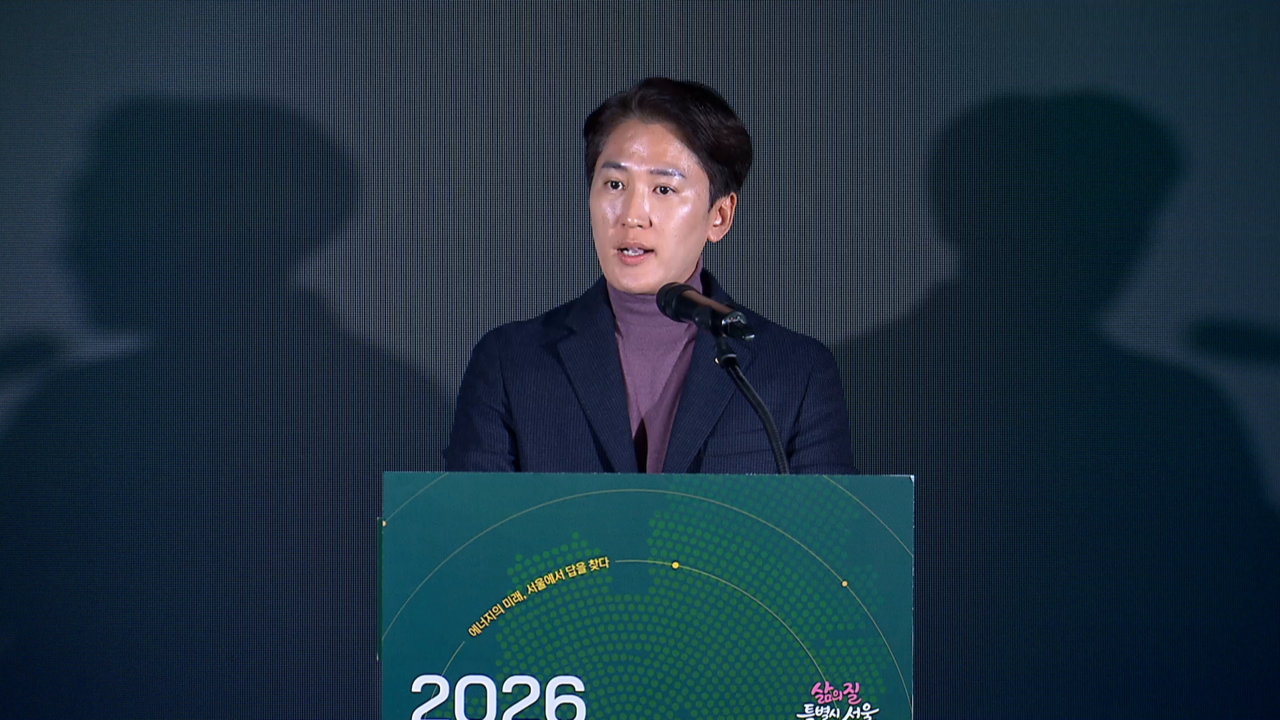
Lee Min-seok, chairman of the Seoul Metropolitan Council's Environment and Water Resources Committee and a People Power Party member representing Mapo District 1, attended the 2026 Seoul Future Energy Forum held Wednesday at Coreana Hotel in Jung-gu, Seoul, where he discussed the direction of the city's future energy policy and underscored the council's role in driving an effective energy transition, the council announced Friday.
The forum was organized to explore Seoul's medium- and long-term energy policy direction and concrete implementation strategies in response to a rapidly shifting energy landscape — one shaped by carbon neutrality goals, the expansion of distributed energy and growing energy security concerns.
Discussions centered on how to efficiently restructure energy supply and consumption in a densely populated metropolis like Seoul, and on ways to apply relevant technologies in an urban setting.
The event opened with a video address by Seoul Mayor Oh Se-hoon, followed by an opening ceremony, keynote lectures and a general discussion. Lee was joined by Seoul city officials, academics including professors Park Jong-bae and Ahn Young-hwan, and representatives from research institutes and companies including Samsung Electronics and LG Electronics.
Participants focused their discussions on the direction of energy policy for achieving carbon neutrality, the potential of distributed energy resources, and technological approaches to improving the efficiency of urban energy systems.
Seoul faces a particular challenge: large-scale power generation facilities are difficult to site within the city, while residential and commercial buildings are densely concentrated, making demand-side management critical. Participants noted a growing need to look beyond simply expanding energy supply — improving energy efficiency in existing buildings, managing electricity demand and making better use of thermal energy must all be considered together.
Lee stressed the importance of an integrated policy approach that reflects this urban reality. Rather than treating electricity, heat and buildings as separate policy domains, Lee argued they should be viewed as interconnected elements of a single urban energy system, with policy and technology designed to deliver real results on the ground.
Lee said the forum held particular significance because achieving carbon neutrality requires examining not just technical feasibility but also economic viability and real-world implementation conditions — ensuring that policy goals do not remain mere declarations.
Participants also identified the impact of the energy transition on residents' daily lives as a key concern. They called for institutional support to ensure that policies aimed at improving building energy efficiency and changing how energy is used can raise both residents' quality of life and the city's long-term sustainability.
The Environment and Water Resources Committee oversees Seoul's climate and environmental policies and monitors the progress of related projects and the appropriateness of budget execution. Lee said the expert opinions raised at the forum would inform future legislative activities to strengthen the effectiveness of energy policy.
The discussions also highlighted the importance of collaboration among the Seoul Metropolitan Government, research institutions and private companies in ensuring that energy transition policies operate stably within the city's actual urban environment.
"For the 10 million residents of Seoul, we need to look at electricity, heat and buildings as an interconnected whole and focus on how policy and technology can actually work in the field," Lee said. "I will make sure the valuable voices heard today are not lost, and will faithfully reflect them in the Environment and Water Resources Committee's legislative work so that Seoul can achieve a meaningful energy transition."
7toy7@heraldcorp.com




