85.3% satisfied with living environment, 72.6% interested in district affairs; 73.3% back three key policy directions of redevelopment, AI administration and hotspot development
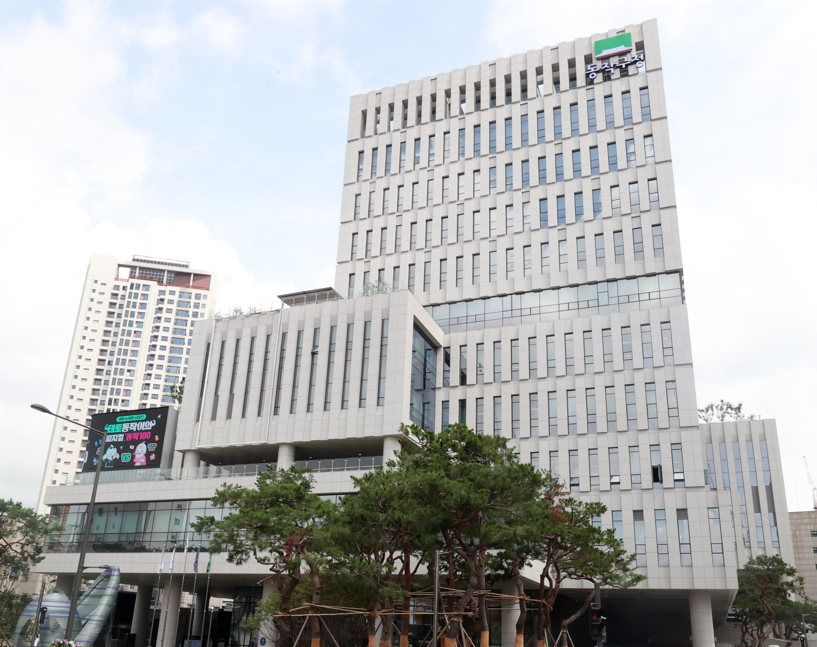
Dongjak-gu has conducted a policy demand survey of its residents to identify everyday inconveniences and gauge public needs, with the aim of incorporating diverse opinions into district administration and developing resident-centered policies.
While the district has carried out annual resident satisfaction surveys, this year's edition went further by including questions on policy direction and implementation strategy, seeking a more comprehensive picture of residents' views.
The survey was commissioned to a professional research firm and combined a mobile sample survey with focus group interviews to measure satisfaction with the living environment, interest in district affairs, and support for three key policy priorities.
The mobile survey covered 588 male and female residents of Dongjak-gu aged 18 and older. The focus group interviews were conducted separately with a youth group (ages 19–34), a homemaker group (ages 30–59), and a senior group (ages 60–71), with each session running two hours.
Among the findings, 85.3 percent of respondents said they were satisfied with their living environment. The most commonly cited inconveniences were the lack of lifestyle amenities such as department stores and hypermarkets (21.9 percent), followed by road congestion and traffic conditions (13.9 percent).
On transportation improvements, residents most frequently called for shorter bus and subway intervals during rush hours (21 percent) and the widening of congested roads (20.6 percent).
Some 72.6 percent of respondents said they were highly interested in district affairs, while 65.8 percent expressed expectations for the ninth elected administration, confirming strong public engagement with local governance.
Nearly half of residents said they receive district news through mobile channels — apps and text messages (25.3 percent) and the district office's official social media accounts (23 percent). For future communications improvements, residents most frequently cited better information accessibility (27.8 percent) and more targeted outreach (27.2 percent).
On the district's three key policy directions — redevelopment, AI-driven administration and hotspot development — 73.3 percent of residents said they supported the approach. Youth respondents emphasized effectiveness, homemakers prioritized practicality, and seniors focused on tangible impact.
The district plans to share the survey results with all departments and use the findings as a foundation for future policy and project planning, incorporating residents' needs and on-the-ground feedback into district administration and developing concrete, effective policies.
In particular, the district intends to develop signature brand policies tailored to Dongjak-gu's identity, identify new initiatives for specific demographic groups including youth and seniors, and review and refine existing programs to raise overall policy quality.
"Understanding what residents care about and what they need is the starting point of district administration," Dongjak-gu District Mayor Ryu Sam-young said. "Based on this survey, we will faithfully reflect residents' opinions in our policies and projects to bring about changes they can actually feel."
seouldream01@heraldcorp.com