100 days into office, governor secures commitments from four major conglomerates
Urgent push for national grants and private investment to fill depleted provincial coffers
'The busiest 100 days in my 30 years in politics,' Woo says
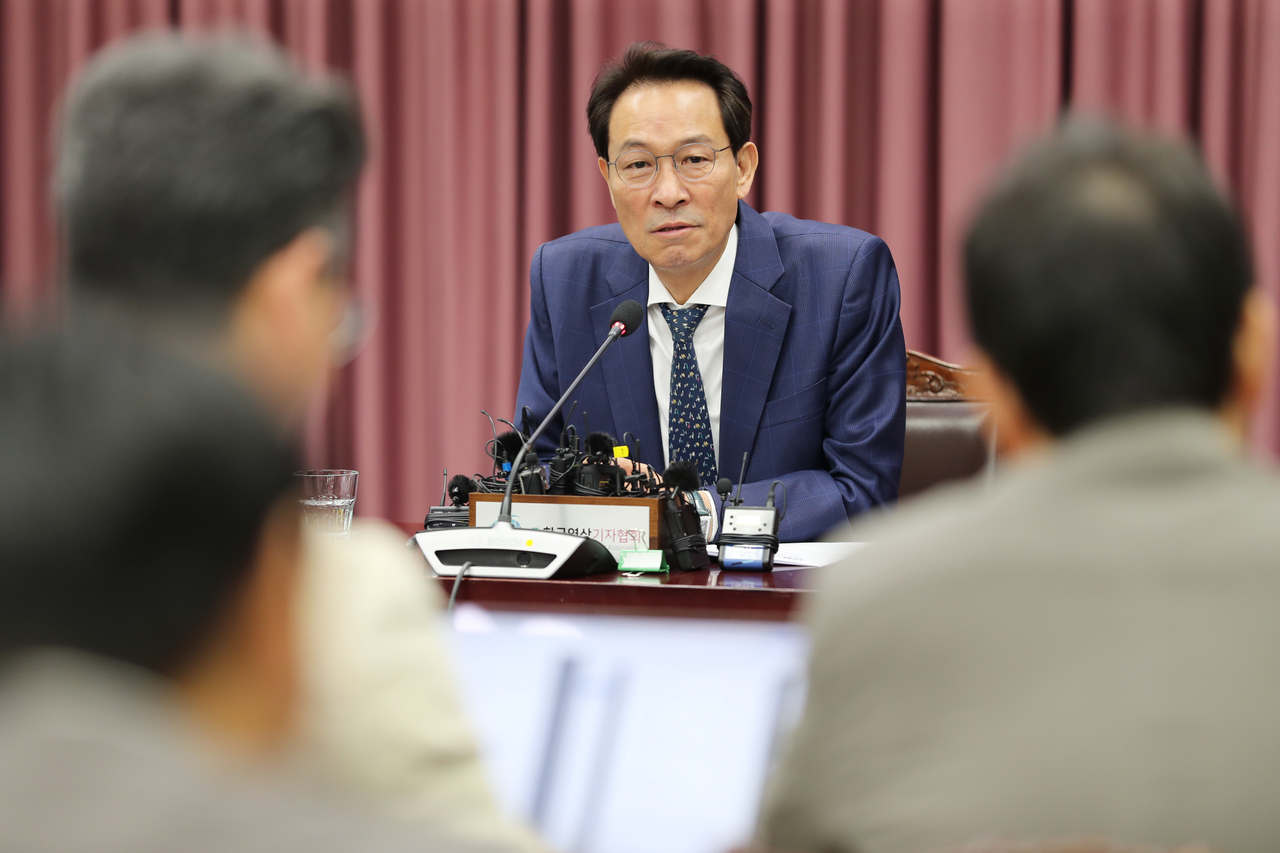
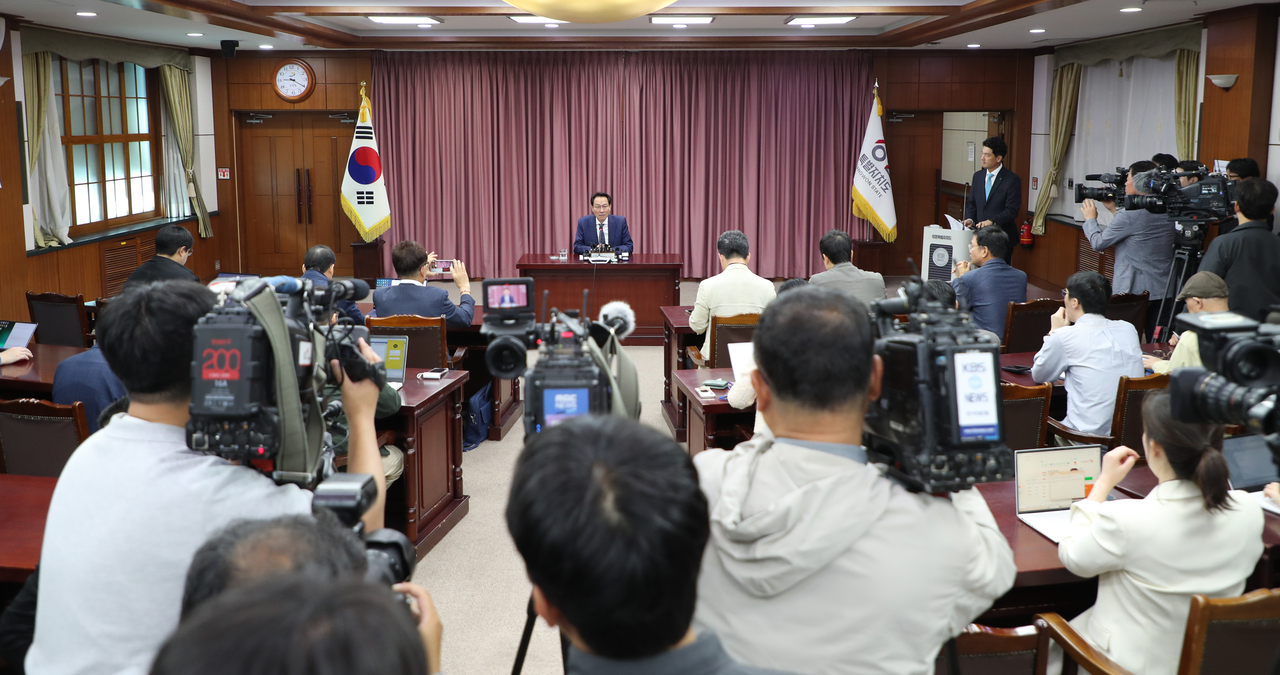
Gangwon Special Self-Governing Province Governor Woo Sang-ho marks his 100th day in office on Thursday.
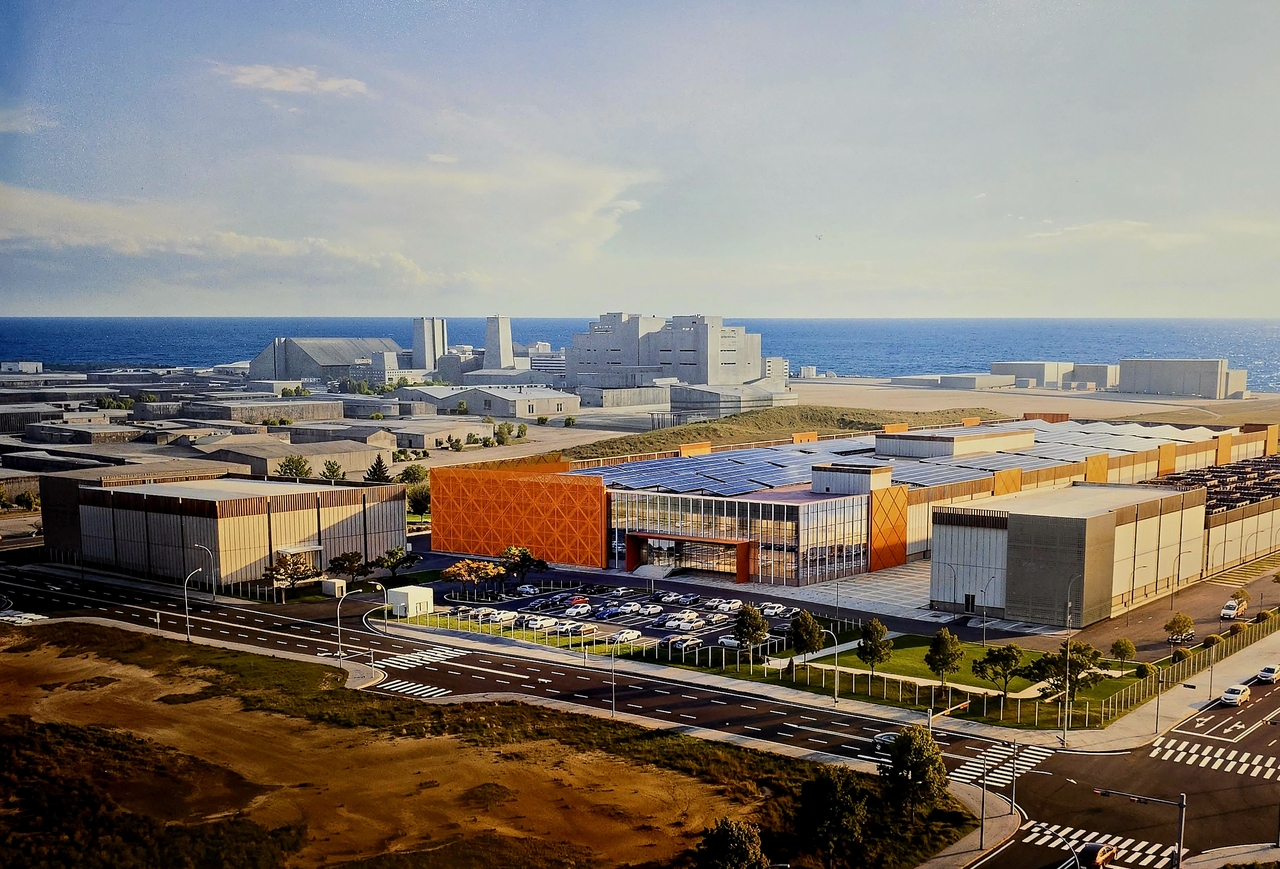
The first 100 days brought new challenges and achievements, moments of reflection, efforts to shed entrenched provincial habits, and the development of policies with no precedent in the region. The standout accomplishment, widely praised by observers, has been securing investment commitments from four major conglomerates: SK Group in Gangneung, GS Group in Donghae, KT Corp in Wonju and Shinsegae in Chuncheon.
Leveraging the broad political network and sales-minded approach befitting a former chief political secretary under the pragmatism-focused Lee Jae Myung administration, Woo first secured general expressions of investment intent from the companies. When specific conditions and requests followed, he demonstrated a deft negotiating touch — accepting what was reasonable and adjusting what was not — ultimately persuading the firms to stay loyal to Gangwon Province rather than pursue opportunities elsewhere.
His investment pitch model — presenting a compelling case for Gangwon, listening carefully to each company's needs, and instilling a sense of reliable follow-through unique to the province — is expected to draw even more corporate investment in the months ahead. Sources familiar with the matter say inquiries from additional companies continue to come in.
Speaking at a press briefing at the provincial government building on Wednesday, Woo reflected on the pace of the past three months. "I've been in politics for nearly 30 years now, and honestly, the last 100 days have been the busiest of my life. I really worked hard. I handled more than 12 appointments a day, traveled around all 18 cities and counties, attended events and met with countless people. I believe the changes in Gangwon Province have begun, in line with the strategy I set out," he said.
"We are in talks with major conglomerates, distributing investment discussions evenly across Donghae, Gangneung, Chuncheon and Wonju. The companies' responses have been positive, and we are now working to meet their conditions. This is unprecedented in Gangwon Province. I trust that residents will recognize what a significant shift it is to see large conglomerate investment becoming a reality in a region that previously had none," he said.
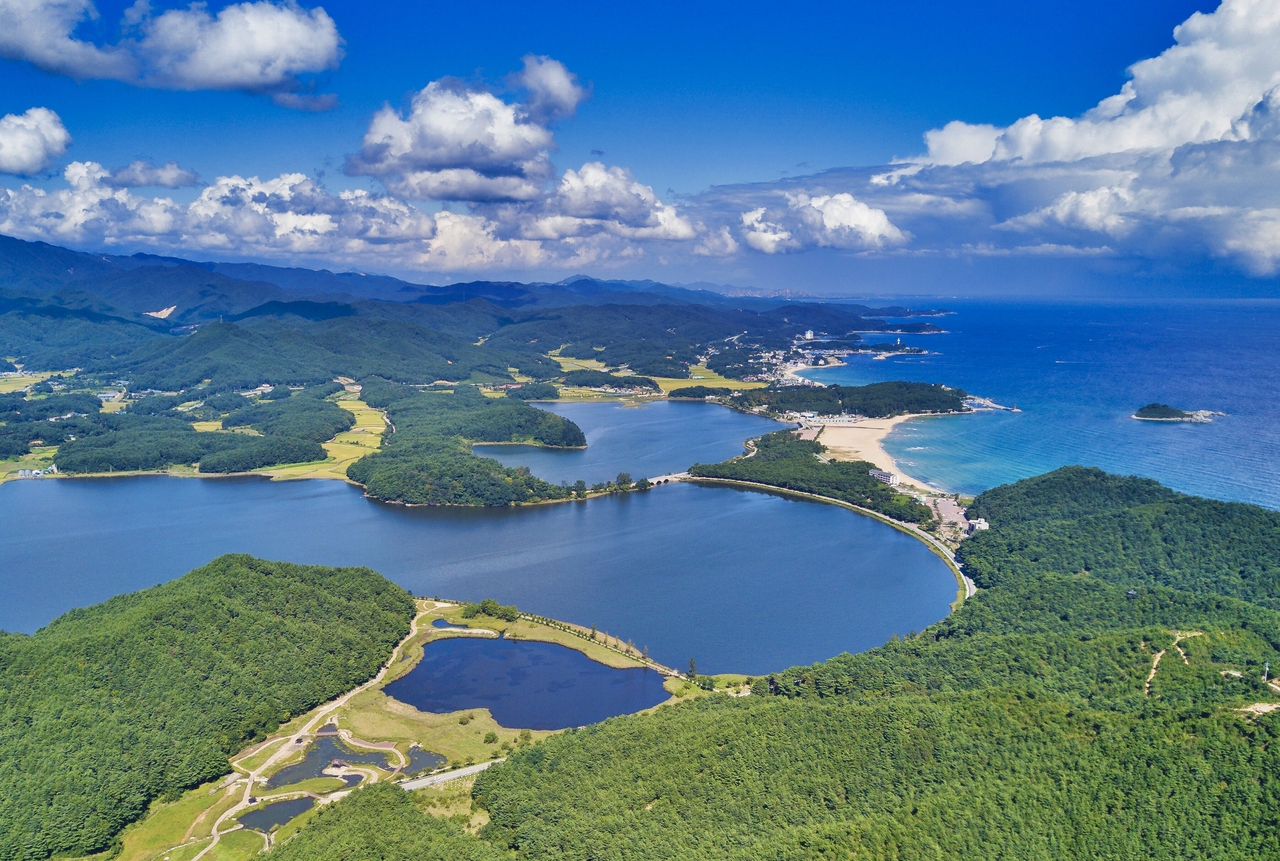
On tourism accommodation — the most critical component of the sector — Woo said the province has signed memorandums of understanding to attract investment for the Haesollia integrated resort and tourism complex in Goseong and an international tourism complex at Hwajinpo.
He also disclosed at the briefing that negotiations are under way for four or five additional sites.
If investment is secured for five or six integrated tourism complexes, he said, Gangwon Province would enter a major turning point in which both its advanced industries and its tourism sector transform simultaneously.
Woo also noted that reinvestment by companies that grew up in Gangwon Province is continuing, highlighting a 124.9 billion won ($93 million) investment agreement signed by four companies in the medical device and biotech sectors.
He described it as a strong positive sign that homegrown Gangwon companies are beginning to reinvest in the province.
Beyond private investment, Woo's efforts to lobby the central government have also paid off. Securing a record 11 trillion won in national budget allocations for the province is another achievement reached within just 100 days of taking office.
Through meetings with Defense Minister Ahn Gyu-baek and other central government officials, as well as heads of financial institutions in Seoul, Woo secured a series of wins: the lifting of military protection zone restrictions covering 6.39 million square meters in Sokcho and Goseong; the launch of a pilot basic income program for rural residents in Jeongseon and Hwacheon that has contributed to population growth in those areas; tailored financial and market-access support for small business owners and vulnerable groups; and the creation of an open communication channel aimed at fostering a more transparent public service culture.
"My first priority going forward is to develop the results of what we have accomplished so far into tangible, visible outcomes, and to turn the investment commitments we have secured into concrete results," Woo said. "Starting next year, I intend to focus more closely on innovations in settlement support, care services and transportation that residents can feel directly in their daily lives."
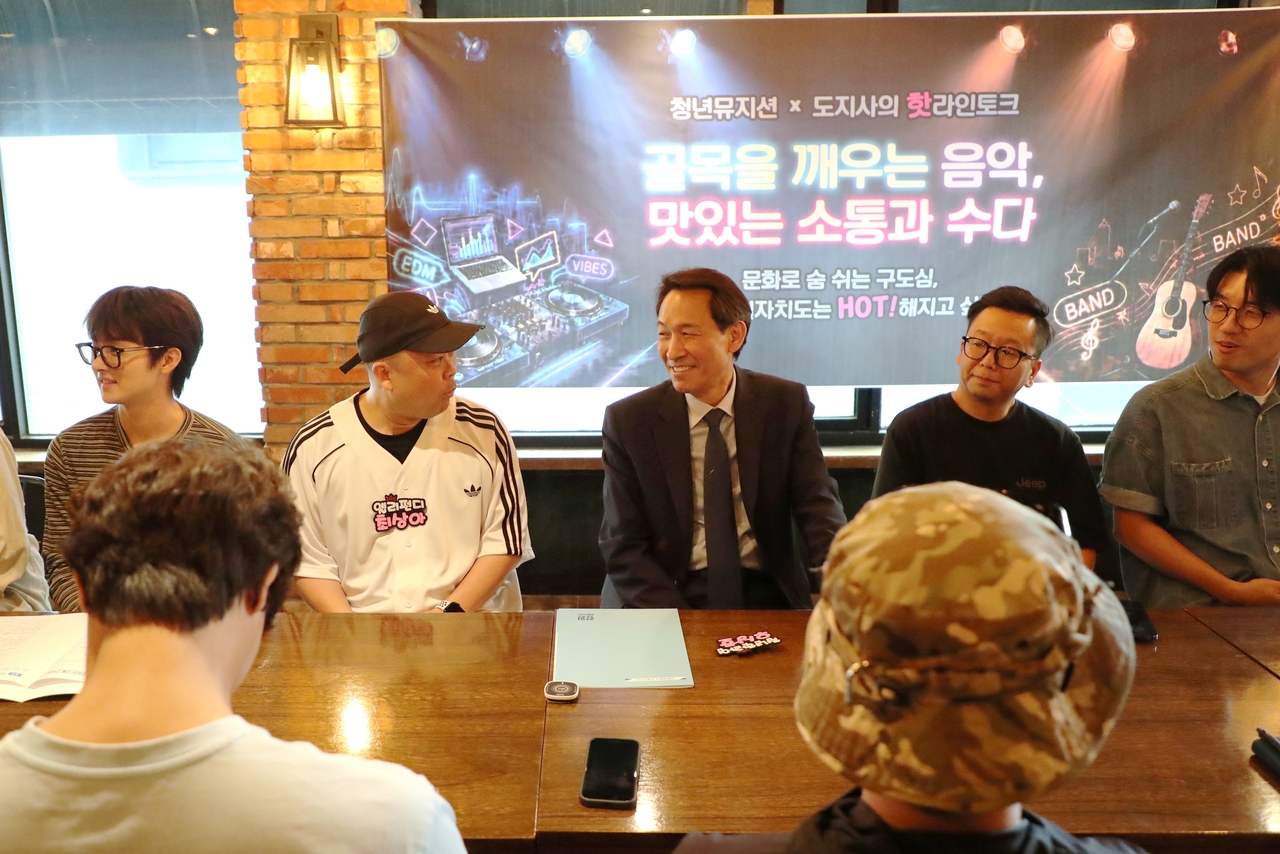
Among those priorities is building a residential safety net through shared youth housing and rental units to stem the outflow of talent born or educated in the region.
The governor also plans to push ahead without delay on the opening of several expressway routes currently under development — including the Pocheon-Cheorwon, Gangneung, and Sokcho-Goseong expressways — and to develop signature products representing Gangwon Province's clean environment.
"The many projects under way in the ninth elected-governor term had to be carried out within the constraints of a budget framework drawn up under my predecessor, which is why I pursued investment attraction and national funding so urgently," Woo said. "The previous administration cut local grants for three years, leaving a shortfall of 90 trillion won. We are requesting more grants from the central government to make up for that, and I believe that as normal local grant flows are restored and reflected in the budget, we will be better and better positioned to achieve what we set out to do."
"I will overcome these difficulties and make Gangwon Province a model for regional development in South Korea — and make it the heart of this country. That dream of mine is still very much in progress," Woo said, closing his 100-day remarks.
abc@heraldcorp.com