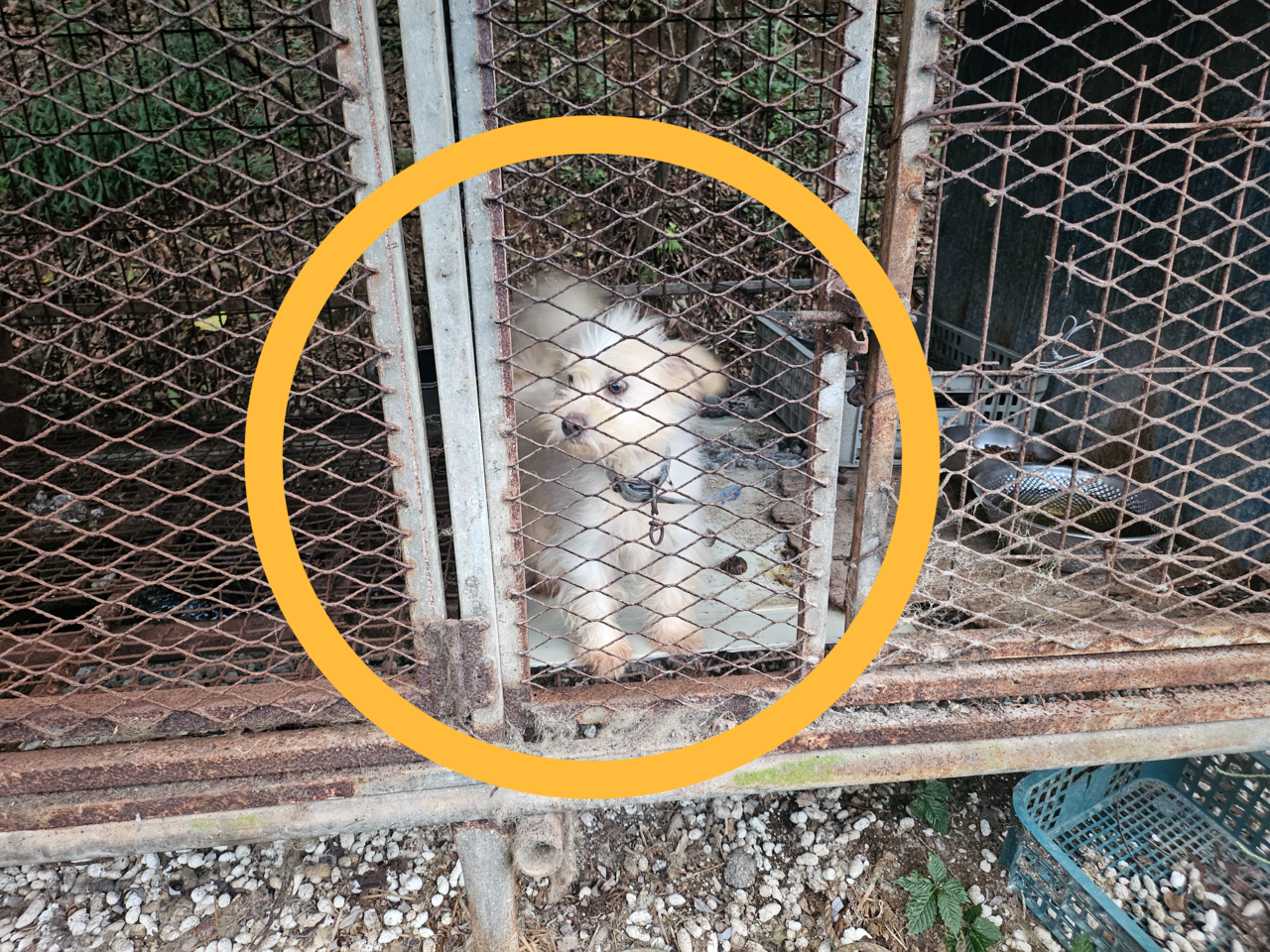
"These were dogs someone kept as pets."
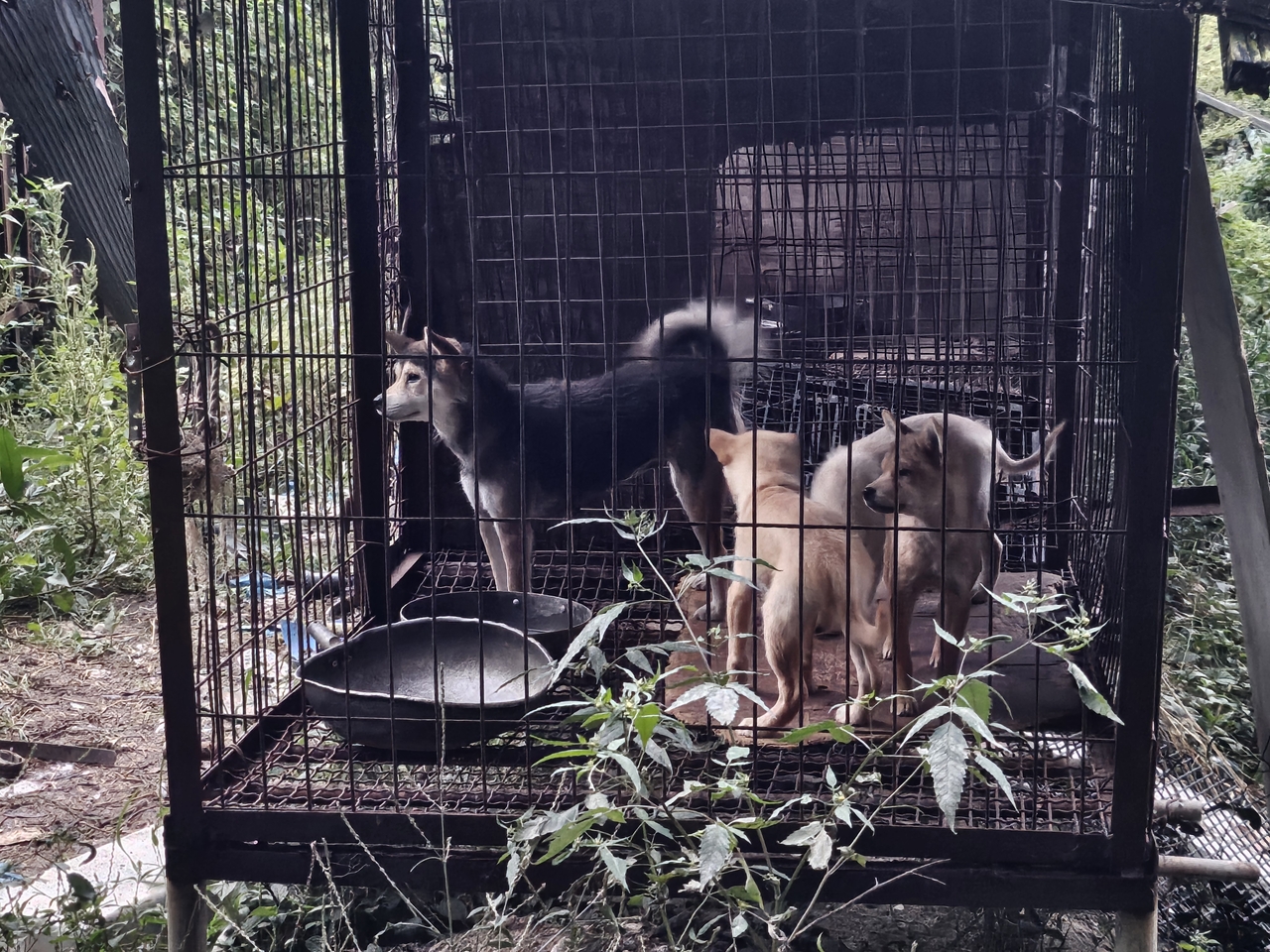
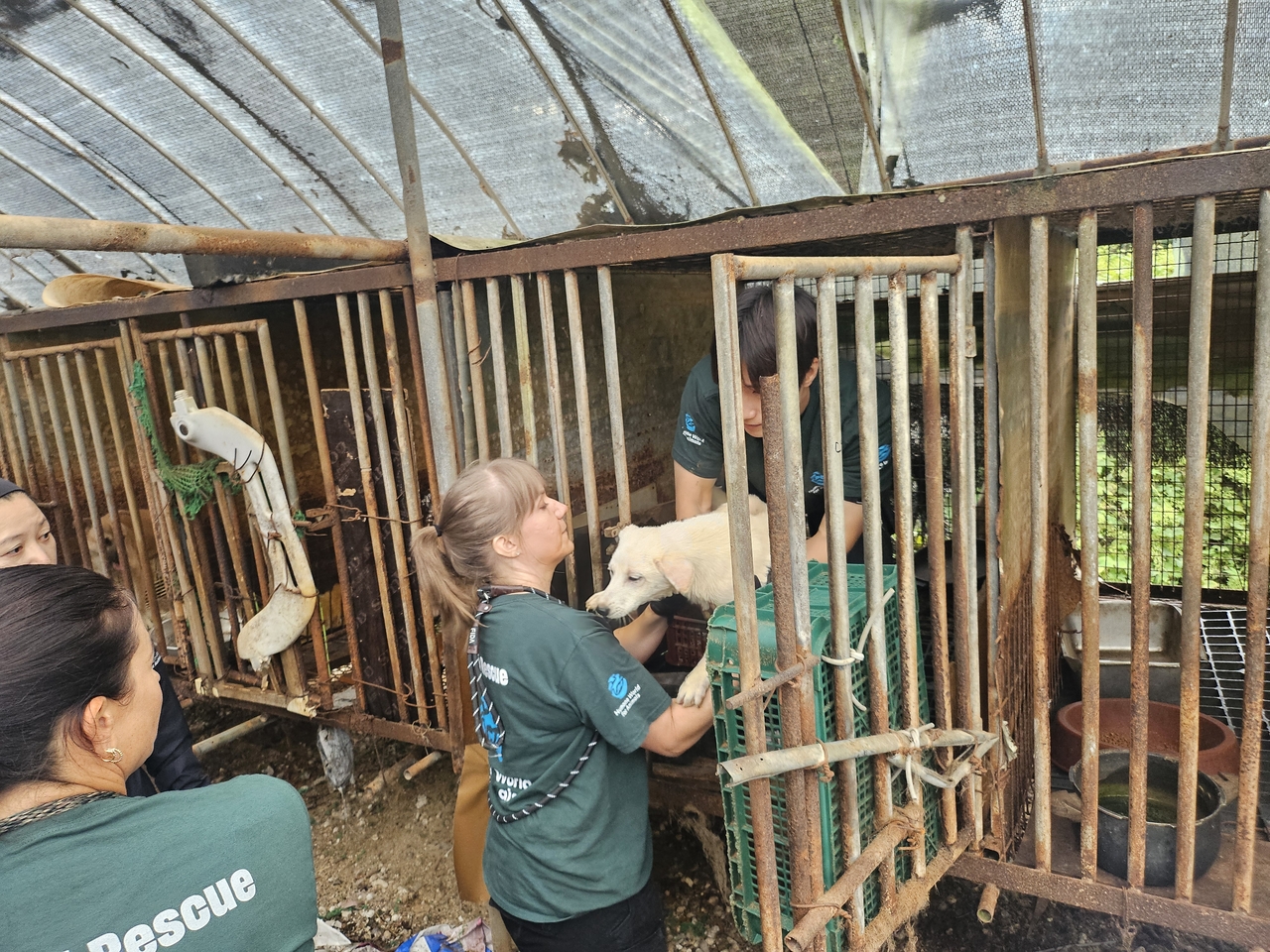
At a dog farm in Gangjin, South Jeolla Province, a small dog wearing a collar sat inside a narrow cage — barely large enough for a single large dog to lie down.
Beneath the cage, feces had piled up so long they had turned white. Scattered across the ground nearby was the bleached skull of a dog.
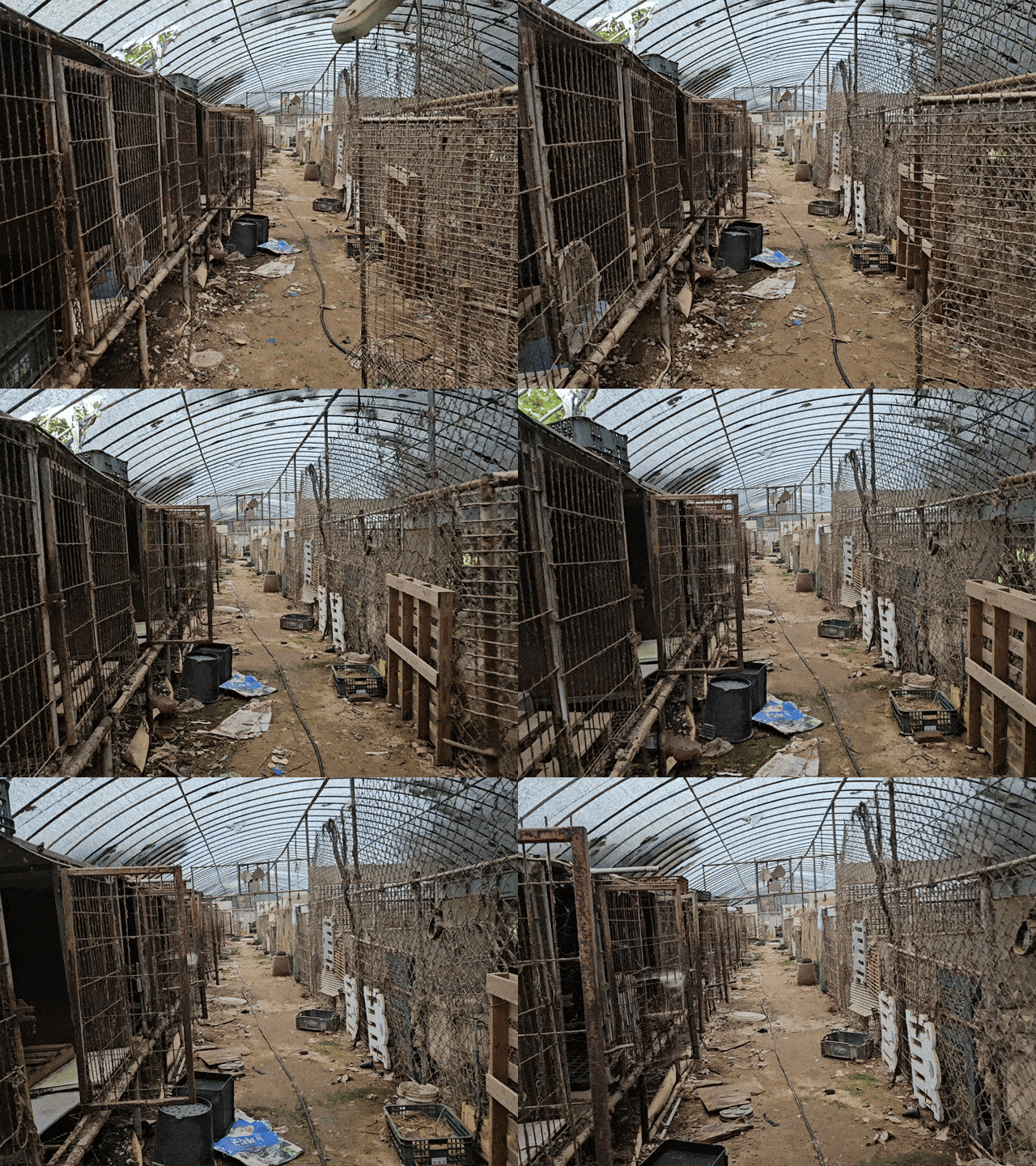
The scene spoke for itself — decades of neglect made visible without a word of explanation.
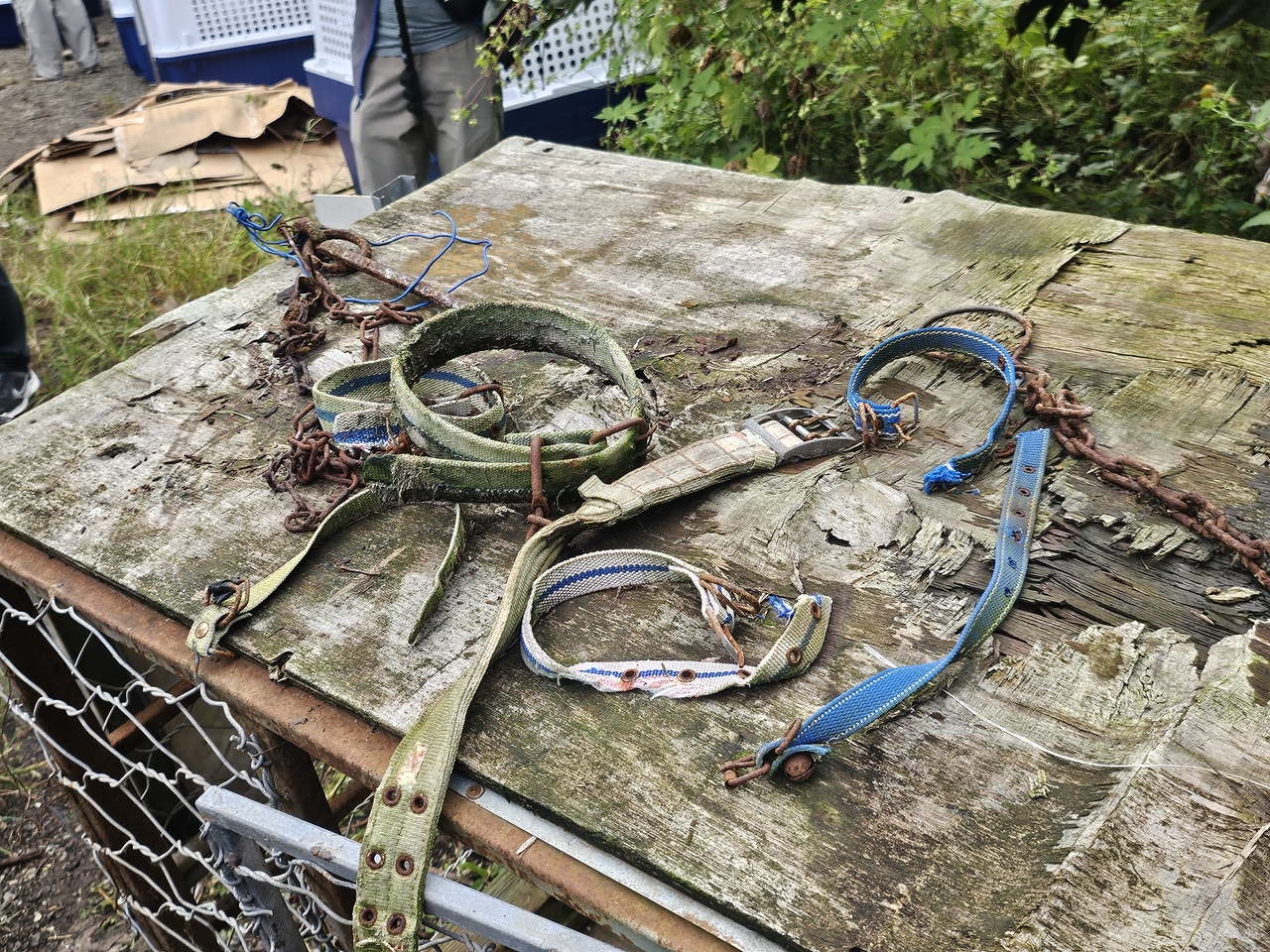
In one corner, mud-caked collars lay strewn about. They were evidence that some of the dogs here had once lived beside people as companions.
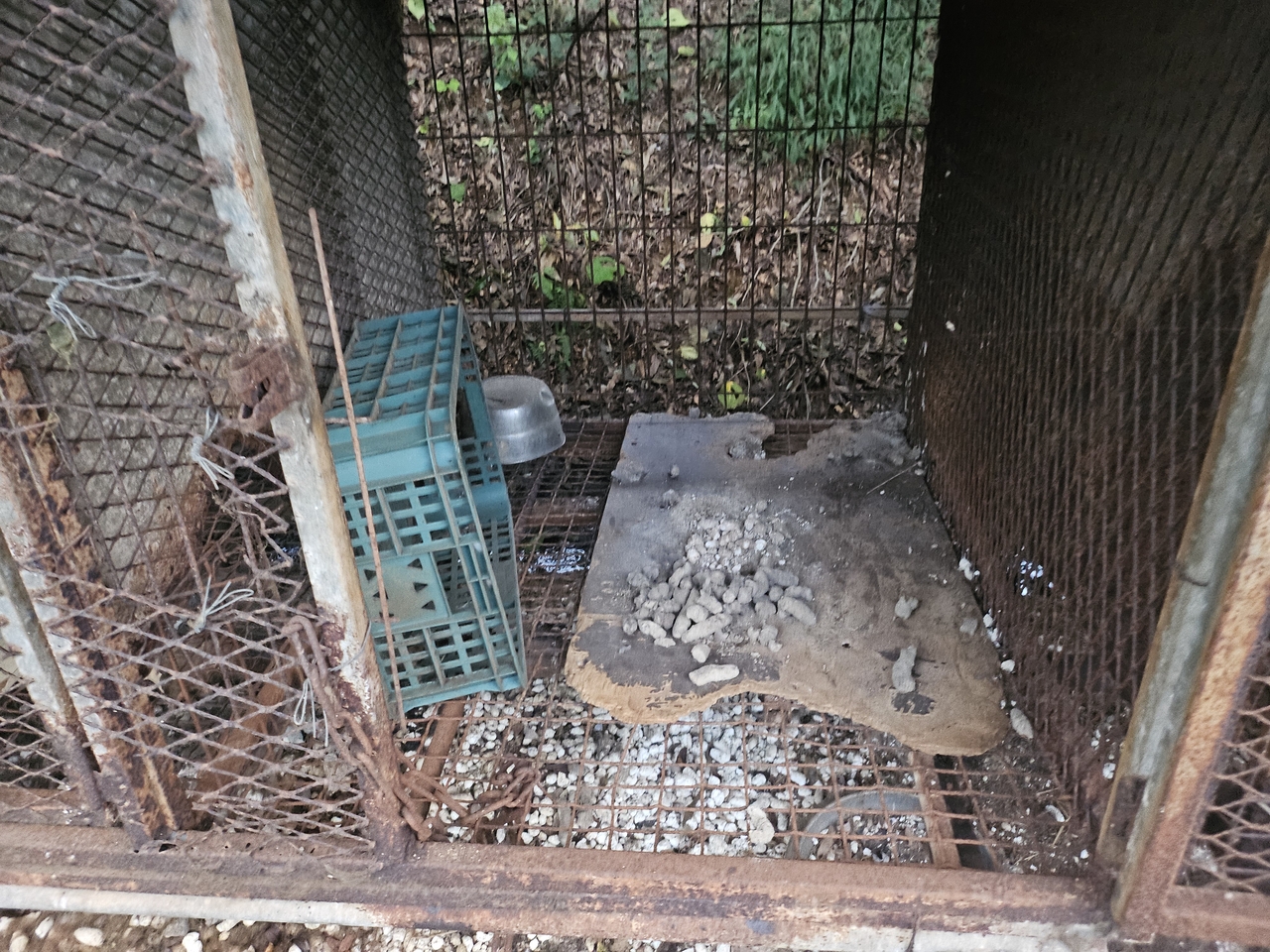
Most of the rusted cages that once held dogs were already empty. The animals that remained watched the visitors from inside.
Some cowered in corners. Others wagged their tails at the strangers and pressed their noses through the bars.
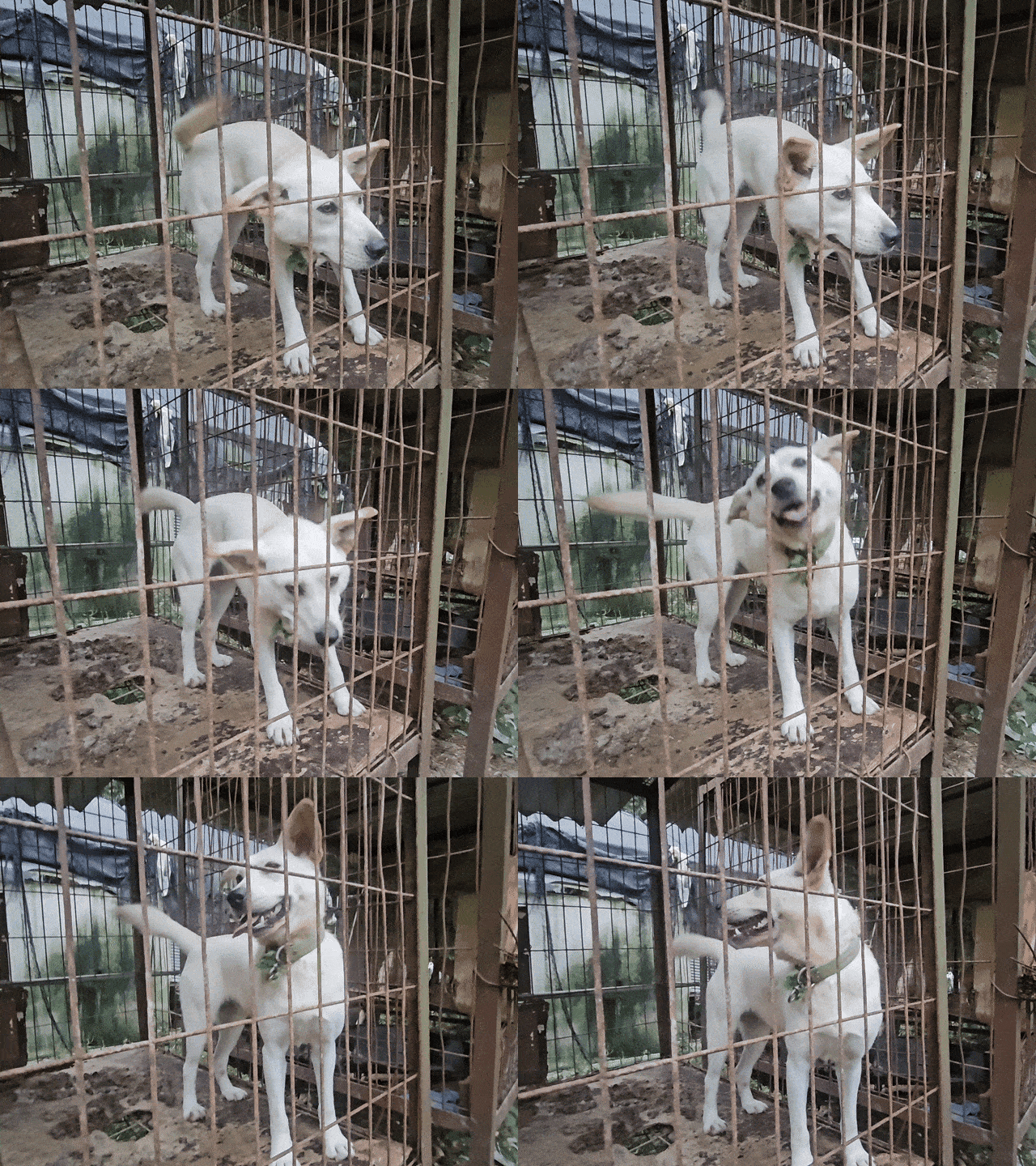
About 70 dogs remained on the farm that day. All of them made it out of their cages alive — and with them, a chance to receive care, rehabilitation and a new home.
They were, in the truest sense, the lucky ones.
More than two years have passed since South Korea enacted a law to end dog meat consumption, yet not every dog on a meat farm has been as fortunate.
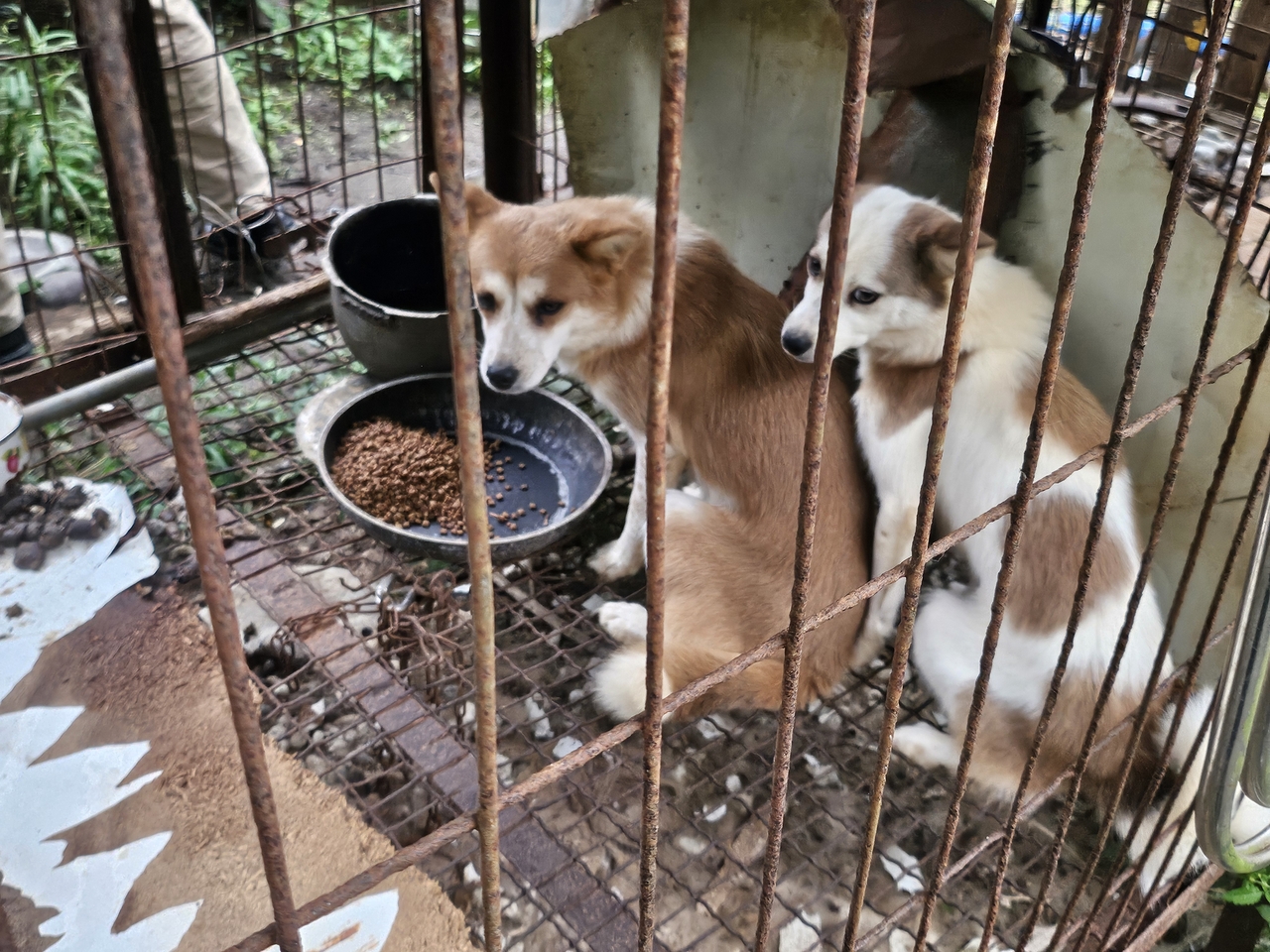
Most dogs at farms that have already closed were slaughtered rather than rescued. Many dogs remain on farms still operating today.
With only months left before a full ban on dog meat takes effect, efforts to save as many animals as possible — like Wednesday's rescue — continue. But there is little guarantee that all the dogs still waiting will find a new life.
Even as the dog meat industry nears its end, it continues to claim the lives of countless animals.
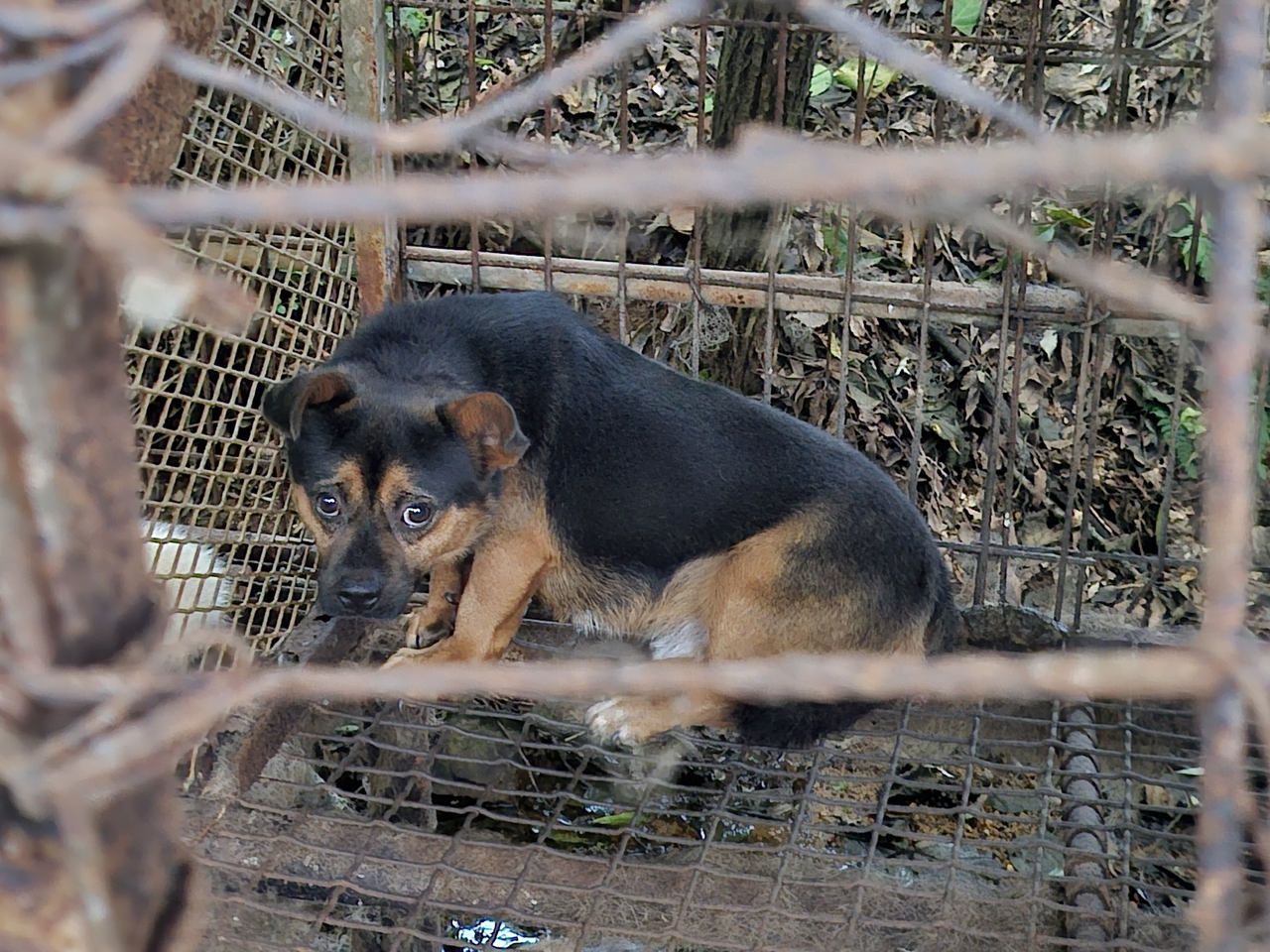
On Wednesday, Humane World for Animals Korea rescued the roughly 70 dogs that remained at a dog farm in Gangjin, South Jeolla Province.
The farm once held far more animals — at its peak, as many as 1,000 dogs were kept there. As the operation scaled back over the years, about 70 remained by the end.
The rescued dogs were a varied group: alongside Jindo dogs were German shepherds, Welsh corgi mixes, husky mixes, Spitz mixes and other small and medium breeds. Some required immediate veterinary attention for malnutrition or skin infections.
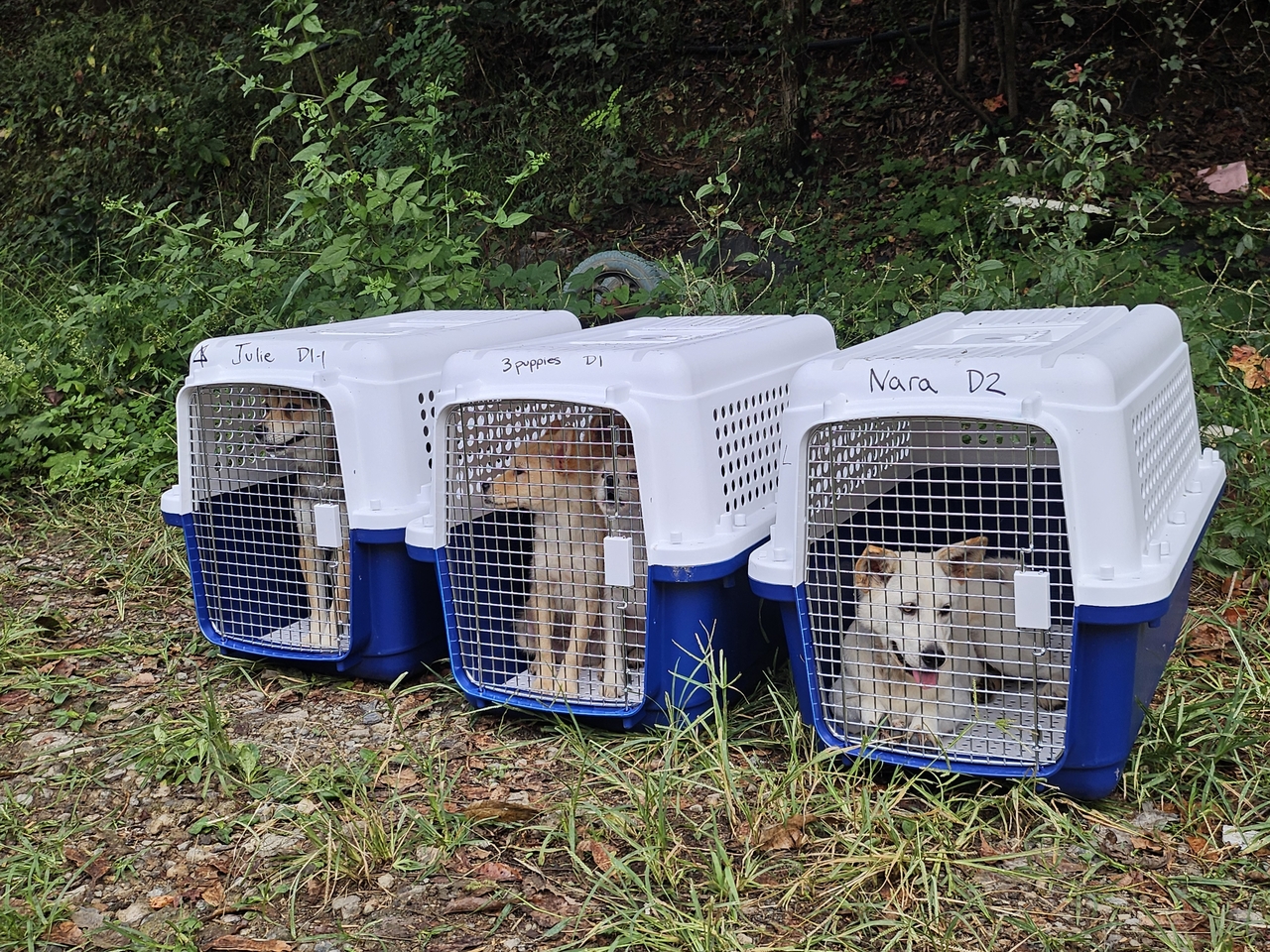
Most of the dogs will be transferred to rehabilitation facilities and partner shelters in the United States and Canada, where they will receive treatment and behavioral support before being placed with new families. Puppies too young to fly will stay with their mothers and are expected to travel after February next year.
"Over the past decade or so, our rescue team has saved thousands of lives and witnessed firsthand the suffering these dogs endure in this abusive industry," said Lee Sang-kyung, campaign team leader at Humane World for Animals Korea. "This rescue — which may well be our last large-scale one ahead of the full enforcement of the special act — is a moment that is difficult to put into words."
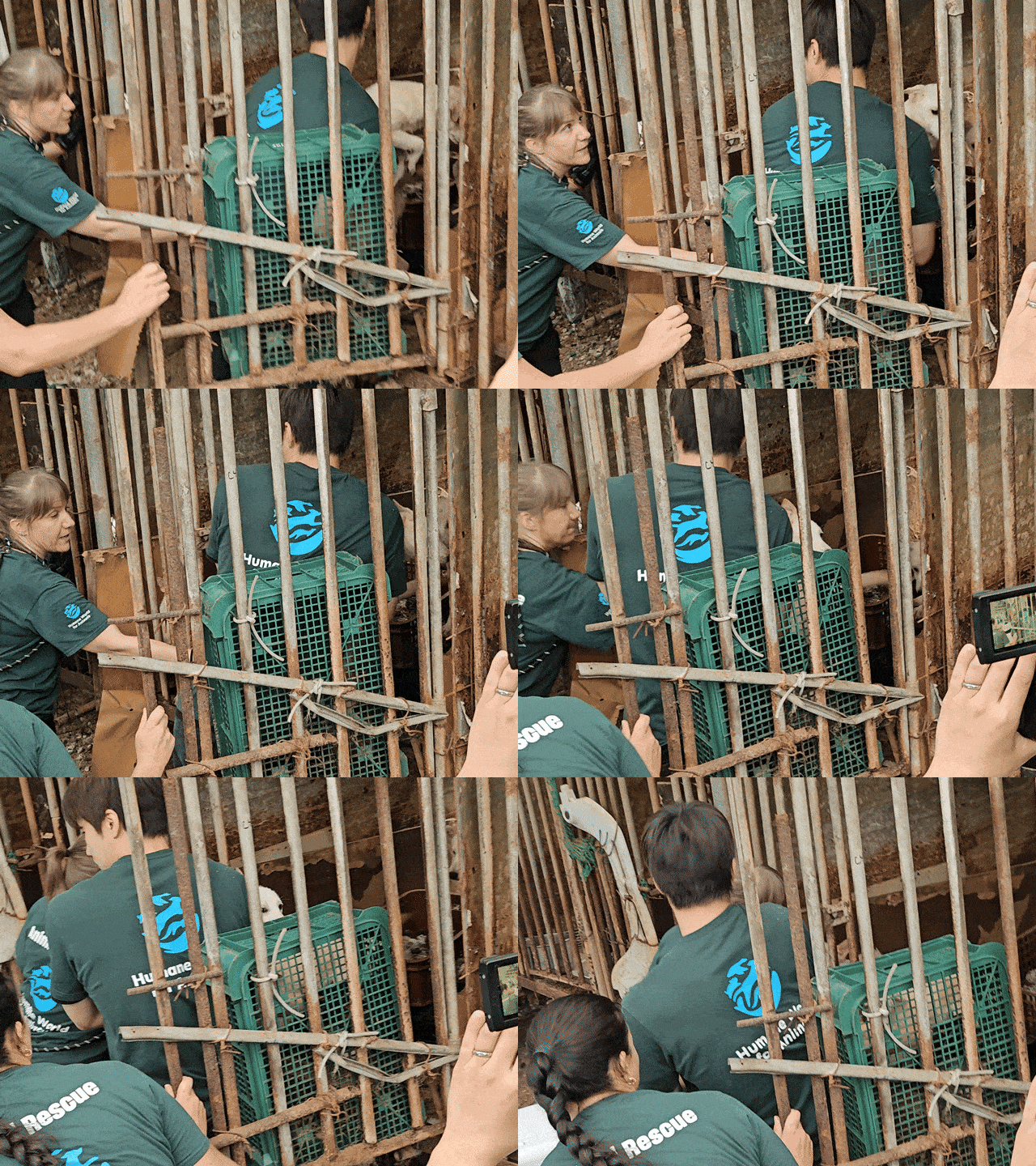
Wednesday's rescue did not happen overnight. A tip from a member of the public earlier this year first brought the farm to light. A domestic animal protection group that received the tip reached out to Humane World for Animals Korea for help, and the farm's conditions were subsequently reported to the local authorities.
An on-site inspection confirmed violations of the Animal Protection Act related to the care and management of animals. The farm's 80-year-old owner ultimately transferred ownership of the remaining dogs to Humane World for Animals Korea and signed an agreement pledging not to re-enter the dog meat industry.
Preparations for the rescue then continued over several months — health checks and vaccinations required for international transport were completed, and quarantine and shipping documents were arranged.
Humane World for Animals Korea began rescuing dogs from domestic farms in 2015. It has saved about 3,000 animals in that time. The Gangjin operation marks the organization's final large-scale dog farm rescue in South Korea.
The National Assembly passed the Special Act on Ending the Slaughter, Distribution and Breeding of Dogs for Consumption — commonly known as the Dog Meat Consumption Termination Act — in January 2024. The law was enacted on Feb. 6 of that year and took effect on Aug. 7.
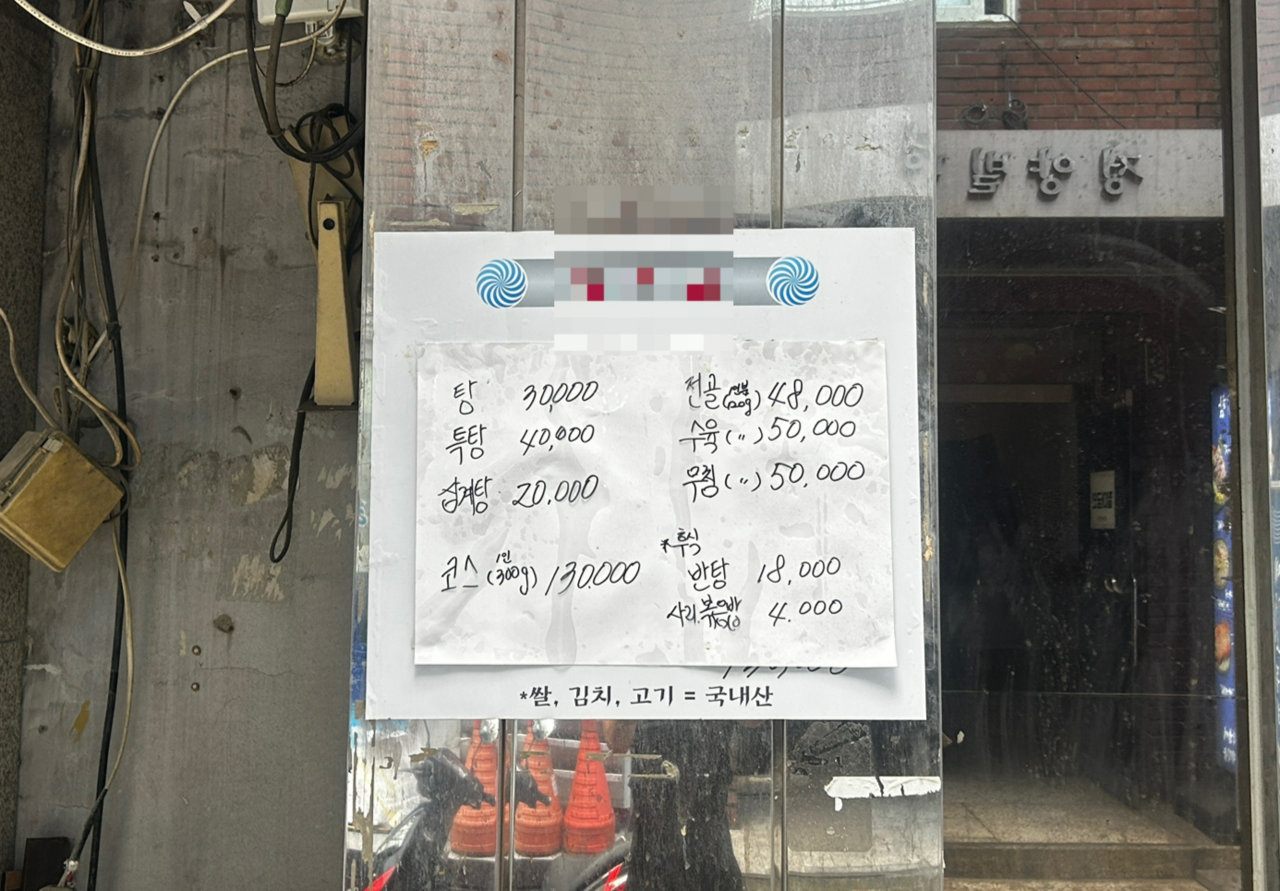
That did not mean an immediate ban on raising and killing dogs for food, however. The law granted a grace period of roughly three years to allow farms, slaughterhouses, distributors and restaurants to wind down their operations.
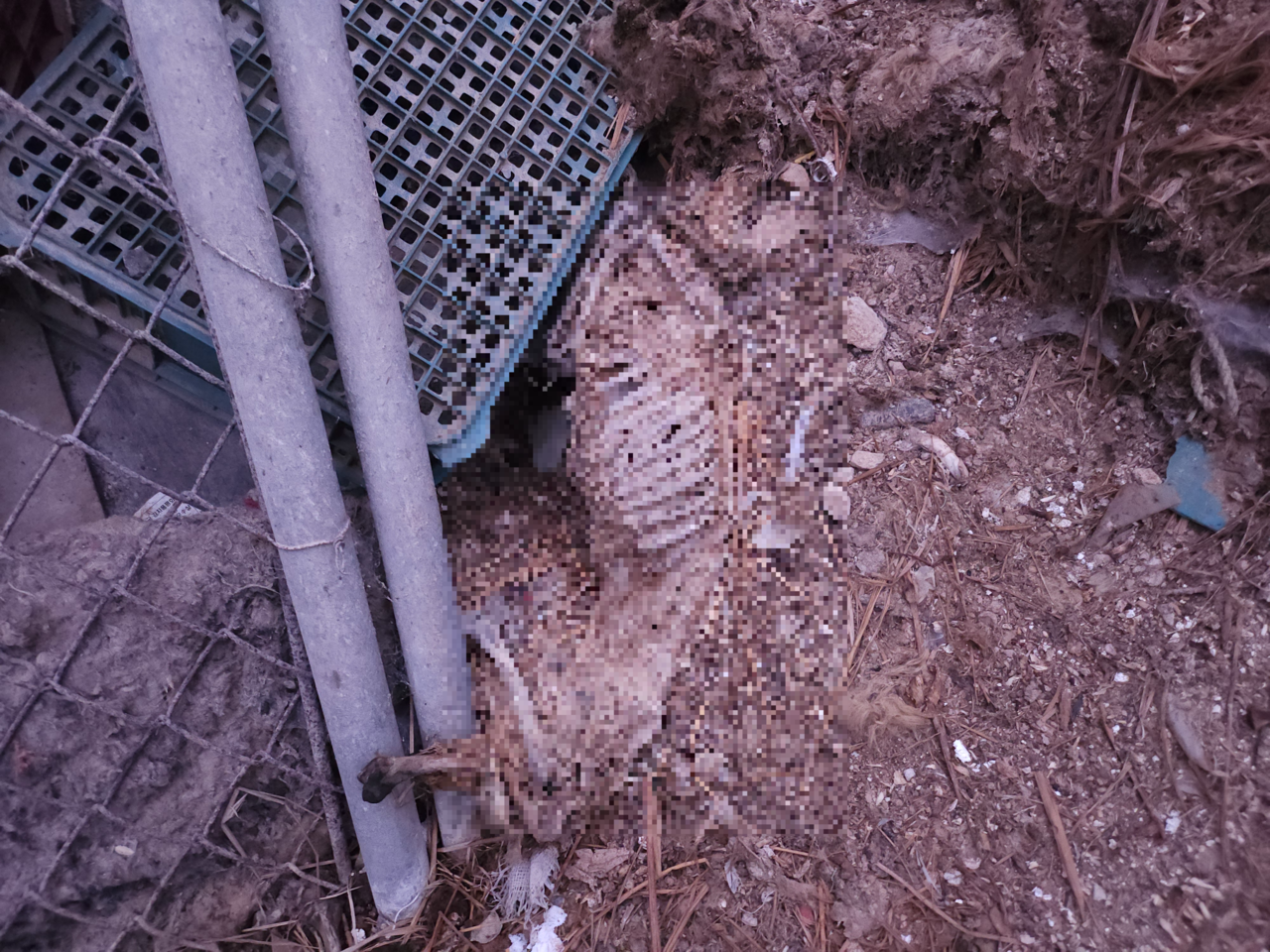
The problem is that most of the dogs that disappeared from farms during this period were slaughtered, not rescued.
Data released by National Assembly lawmaker Seo Cheon-ho of the Agriculture, Food, Rural Affairs, Oceans and Fisheries Committee — obtained from the Ministry of Agriculture, Food and Rural Affairs last October — showed that 1,072 dog farms had closed by the end of August 2025.
Of the 346,313 dogs that had been kept at those farms, 334,648 — or 96.6 percent — were slaughtered. Another 9,308 were transferred to other dog farms, and 1,806 died during the breeding process.
By contrast, only 166 dogs were converted to pets or guard dogs, and just 385 were adopted or placed through pre-sale arrangements.
Humane World for Animals Korea raises the same concern. Based on government statistics, the organization estimates that only about 0.3 percent of dogs bred for consumption since the Dog Meat Consumption Termination Act passed in 2024 through May this year have been rescued.
The scale of the industry was vast to begin with. According to the Ministry of Agriculture, Food and Rural Affairs, 1,537 dog farms were registered with the government in 2024, with about 466,000 dogs being raised for consumption.
Rather than rescuing all of those animals, the government chose to reduce the population by cutting breeding and incentivizing early farm closures — offering larger subsidies to farms that shut down sooner.
The number of farms has fallen sharply. Data published by the Ministry of Agriculture, Food and Rural Affairs in May showed that 1,265 of the 1,537 registered farms had closed. But the capacity to rescue and shelter the remaining animals has fallen far short of what is needed.
When the ministry released its basic plan for ending dog meat consumption in 2024, the country had 228 animal protection centers with a combined capacity of about 21,000 animals — and roughly 15,000 were already in their care at the time. The system was never built to handle hundreds of thousands of dogs.

Private organizations have not been able to fill the gap. Humane World for Animals Korea is the only international animal protection group conducting large-scale dog farm rescues and overseas adoptions in South Korea — yet over more than a decade of work, it has saved about 3,000 dogs from domestic farms.
Rescuing the roughly 70 dogs from the Gangjin farm alone took several months, from transferring ownership to completing health checks, vaccinations, quarantine procedures and overseas transport arrangements.
Given that hundreds of thousands of dogs were raised for consumption, the overall capacity for protection and rescue has been woefully inadequate. Animal welfare advocates say that is no excuse for the government and local authorities to turn their backs on the dogs still on farms.
With the full ban approaching, they argue, every effort must be made to save as many animals as possible before time runs out.
As of the ministry's May count, 272 dog farms were still in operation. The government plans to push for their early closure, prevent new animals from being brought in and crack down on unlicensed breeding, while stepping up on-site inspections to minimize the number of dogs left behind.
Animal protection groups say that is not enough — they are calling for more active government support to ensure the remaining dogs are actually rescued and adopted, not simply left to their fate.
"These 70-odd dogs are just a tiny fraction of the countless animals that have suffered in a dying industry," Lee said.
Humane World for Animals Korea urged the government to take aggressive administrative action during the remaining grace period before the law takes full effect, to minimize the number of dogs the industry claims. The organization also called on the government and local authorities to commit fully to strict enforcement and oversight after the law takes effect, to prevent illegal dog meat activities from operating in the blind spots of regulation and monitoring.
woo@heraldcorp.com