Kim Young-ok, HD Hyundai's chief AI officer, delivers keynote
Field data and veteran expertise seen as core of manufacturing AI
'Data factory' and specialized models needed, exec says
Autonomous shipyard and 'AI master craftsman' projects underway
Full-stack AI eyed as foundation for export competitiveness
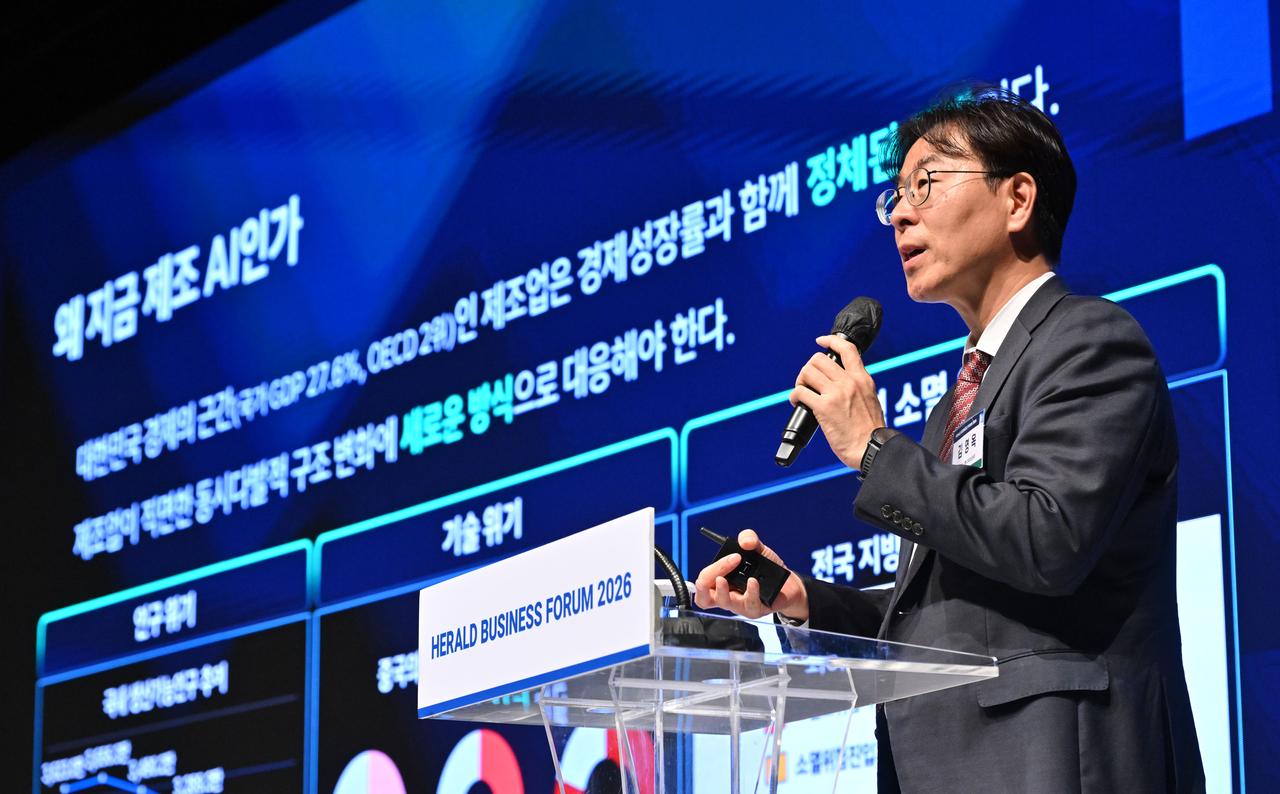
"When you think about what could serve as the trigger — or play that role — in maintaining a decisive technological edge in manufacturing, the answer ultimately comes down to manufacturing AI."
Kim Young-ok, chief AI officer (CAIO) at HD Hyundai, made the case for manufacturing AI Tuesday at the Herald Business Forum 2026, held at the Shilla Hotel in Jung-gu, Seoul, where she delivered a keynote titled "The Journey Toward Manufacturing AI." With China's manufacturing sector expanding rapidly and domestic factories facing labor shortages and an aging pool of skilled workers, she said the industry must harness on-site data and accumulated expertise to build competitive advantage through AI.
Kim defined manufacturing AI as "a concept that goes beyond factory automation to transform the entire product-creation process — from design and production to logistics — using AI." She noted that while general AI relies primarily on publicly available text, images and video, manufacturing AI is distinguished by industry-specific data generated on the factory floor, including sensor readings, computer vision, and measurements of temperature, humidity, vibration and sound.
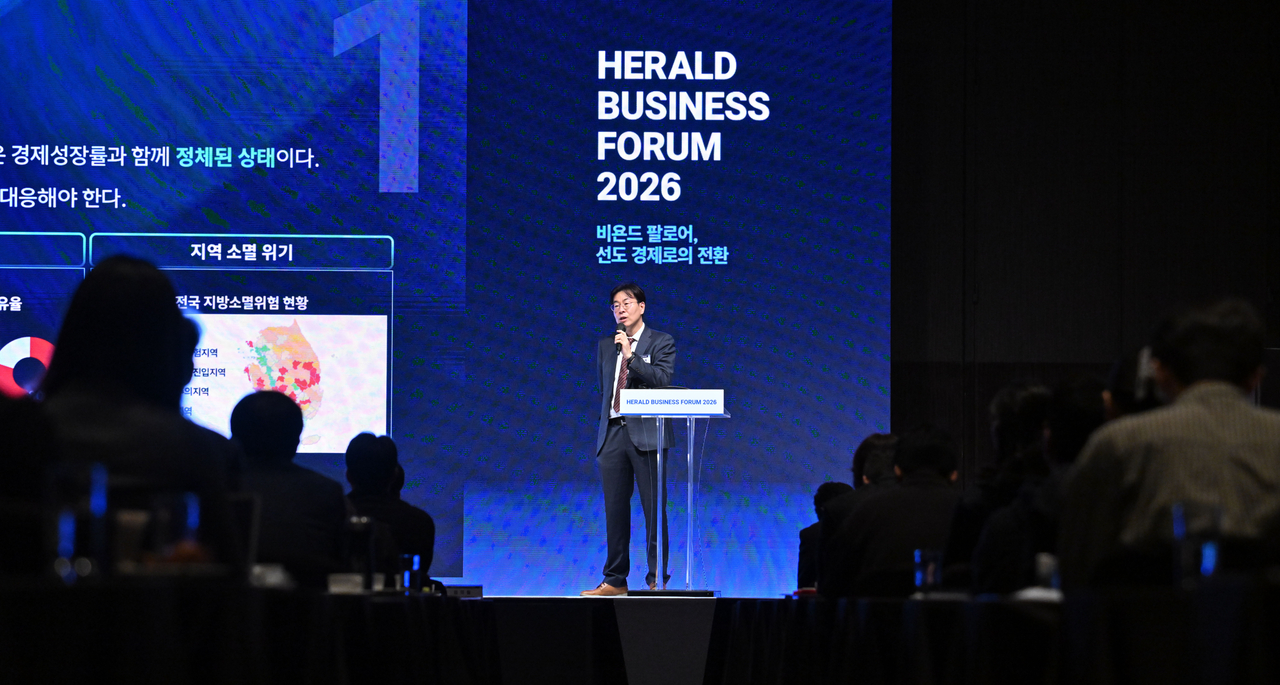
Kim cited the risk of losing hard-won industrial knowledge as one of the key reasons manufacturing AI is urgently needed. "Korea has built a strong foundation in traditional manufacturing industries such as automobiles, shipbuilding and semiconductors, and has accumulated a wealth of successful process know-how," she said. "But most of the people who hold that know-how will retire within the next 10 years, and that expertise could simply disappear."
"How we transfer the skills and know-how we have now into AI is the critical question," she added. "That is what will determine our competitiveness in achieving manufacturing AI."
She acknowledged, however, that Korea's manufacturing sector still lacks sufficient data infrastructure and skilled personnel. To address the data gap, she called for building a "data factory" — a system for systematically accumulating field data. Extracting usable data from aging equipment was another challenge she highlighted. "Many manufacturing processes have grown old," she said, adding that rather than replacing all machinery with new equipment, "we need to research how to actually pull manufacturing data out of that aging equipment from a retrofit perspective."
Retrofitting refers to improving the performance of existing equipment by adding digital technologies — such as sensors, data-collection devices and simulation tools — while keeping the original structure intact.
Kim also said manufacturing AI models must be built to match the specific characteristics of each industry and process, unlike general-purpose AI. "Each process demands an extremely high level of quality, and to meet that quality standard for each product, you have to approach it on a process-by-process basis," she said. "We need to develop and apply specialized foundation models tailored to each process and industry."
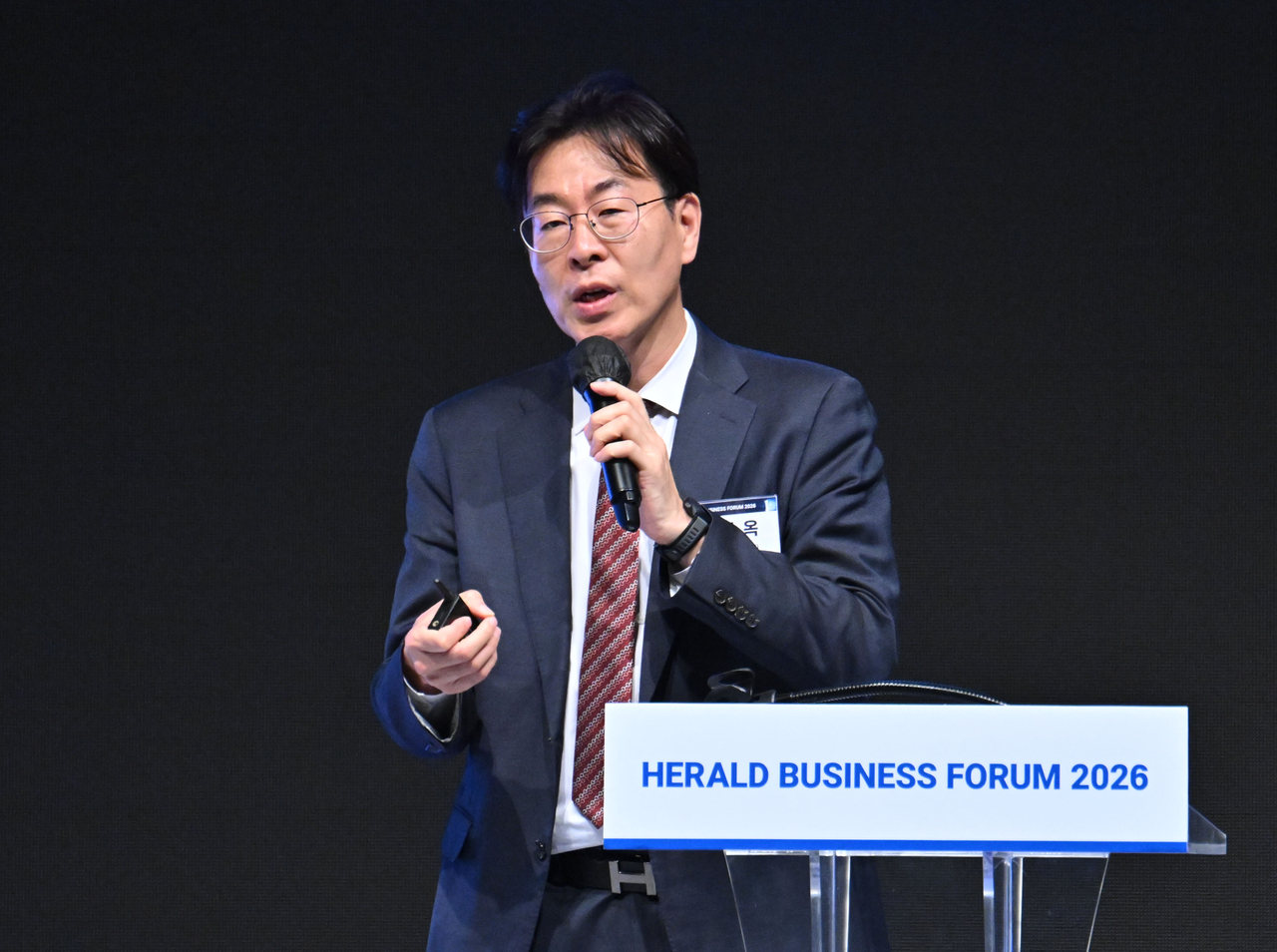
She went on to propose connecting those specialized models through agent-based frameworks and evolving them into "full-stack AI" — a unified architecture integrating software, data, models, hardware and agents into a single stack. The vision is to build a system deployable directly at specific manufacturing sites, ultimately creating the foundation to export the full-stack manufacturing AI platform itself.
HD Hyundai is already using AI to enhance ship design and production efficiency and to shift vessels toward software-defined operations. On the production side, the company is pursuing an AI transformation of its yards with the goal of building an "autonomous shipyard," and has launched an "AI master craftsman" project aimed at preserving the expertise of veteran workers.
"The knowledge, processes and know-how of the shipbuilding industry are things that outsiders can never access — they are assets we own," Kim said. "We are working to develop the AI master craftsman framework around the question of how to preserve and model the know-how we possess."
In closing, Kim said HD Hyundai is advancing manufacturing AI "to maintain dominance and build competitiveness in the shipbuilding and marine sector, grounded in ocean transformation and energy transformation."
keg@heraldcorp.com