Built on the foundation of Korea's largest fetal treatment center — with 100,000 precision ultrasounds and 10,000 diagnostic tests — the new center specializes in congenital heart defects through multidisciplinary care, expanded equipment and cutting-edge therapies
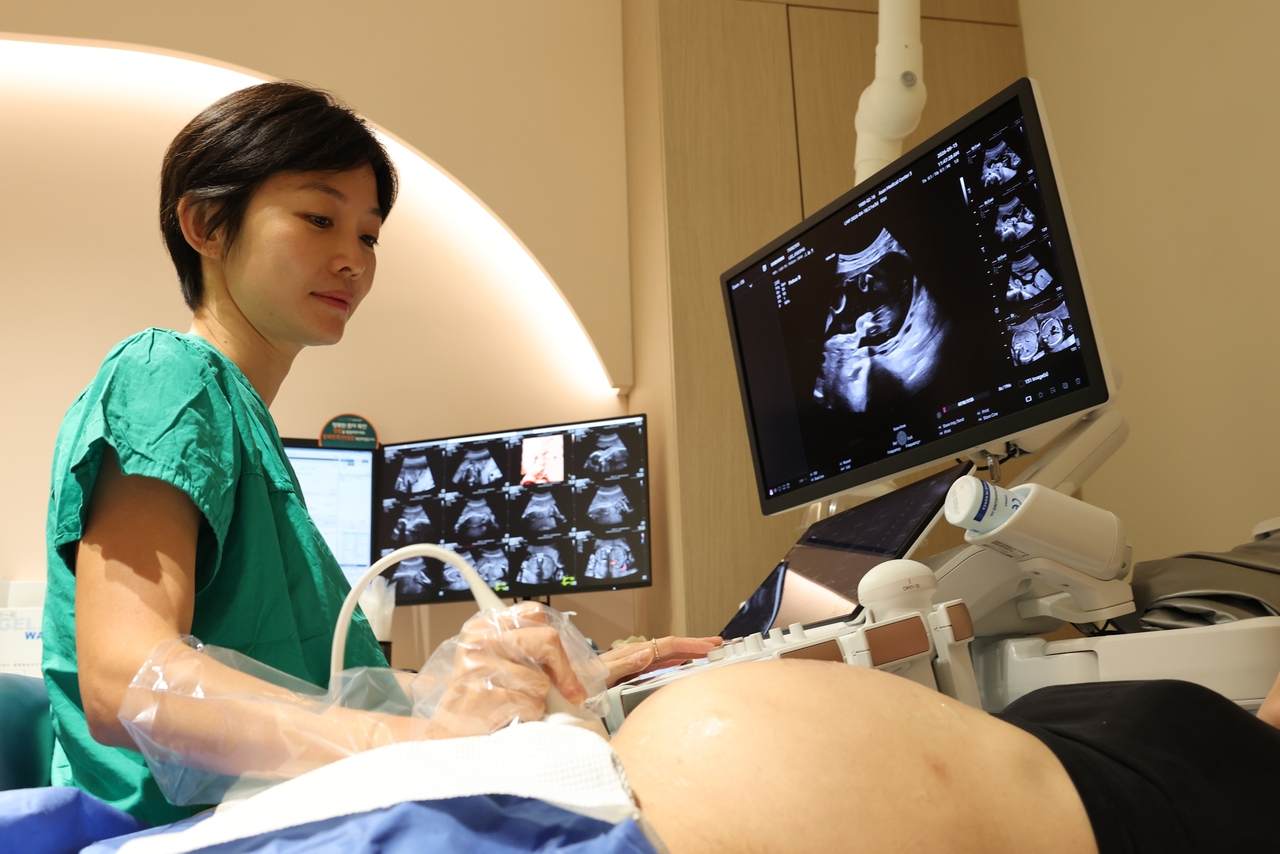
"When we first heard that our baby had a congenital heart defect, everything felt overwhelming — from the birth itself to the treatment afterward. Knowing that the Fetal Heart Center at Asan Medical Center will manage every step of the process is a real relief," said a couple who conceived their first child through in vitro fertilization only to learn the fetus had a ventricular septal defect.
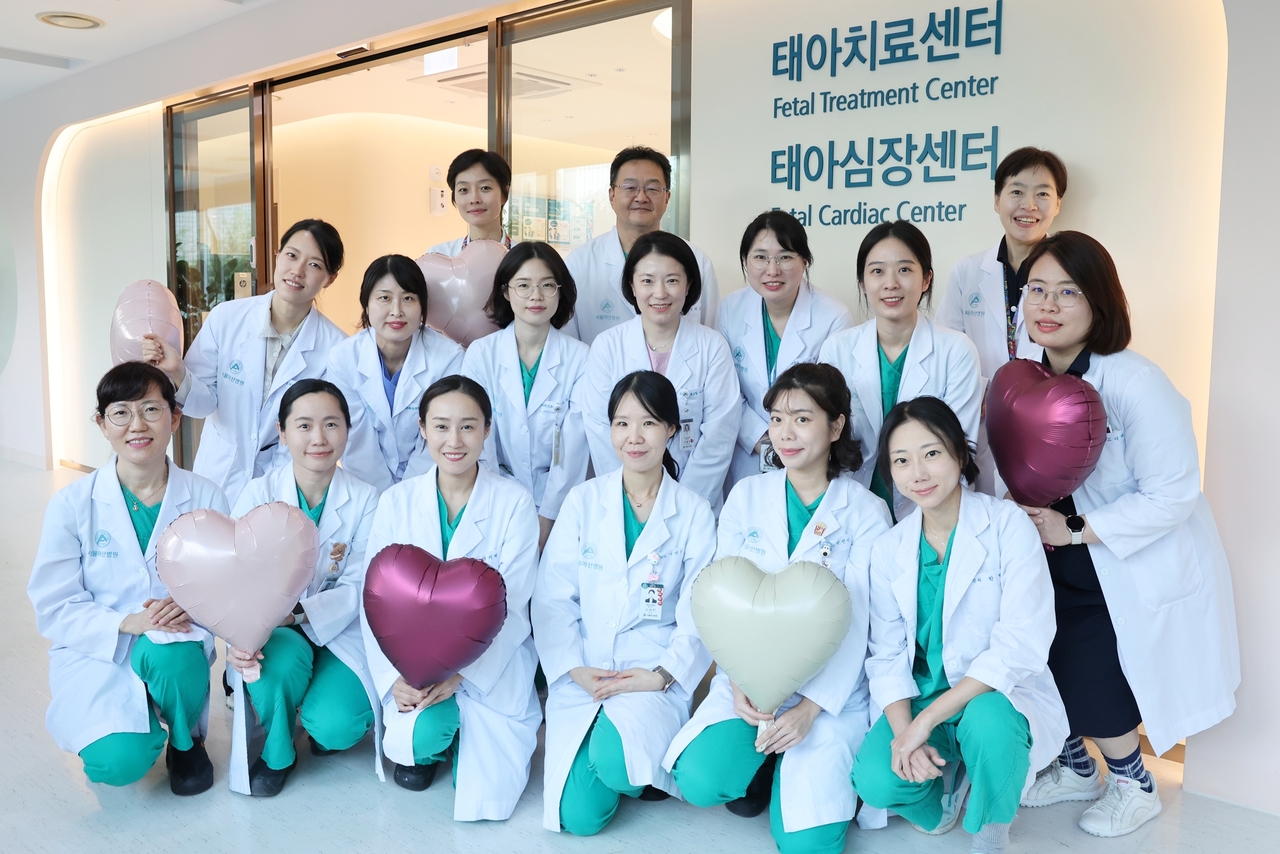
Asan Medical Center opened its Fetal Heart Center on Wednesday, establishing a dedicated facility for the specialized treatment of fetuses with congenital heart disease. The new center was spun off from the hospital's Fetal Treatment Center — the first of its kind in Korea when it opened in 2004 — to provide more focused care for expectant mothers. It is the only independent center in the country devoted exclusively to fetal cardiac conditions.
Congenital heart defects occur in roughly eight to 10 out of every 1,000 live births. Common forms include ventricular septal defect, transposition of the great arteries and tetralogy of Fallot. The conditions are treatable when caught early, making prenatal diagnosis and advance treatment planning critical to outcomes.
The hospital said it plans to add cardiac precision ultrasound equipment and expand its facilities to improve convenience for patients and treat a greater number of complex fetal cardiac cases. It also plans to bring together specialists from obstetrics, neonatology, pediatric cardiology and pediatric cardiac surgery for multidisciplinary consultations, enabling comprehensive assessment of fetal conditions from before birth through the neonatal period.
Since opening in 2004, the Fetal Treatment Center has treated more than 30,000 fetuses, accumulating 100,000 precision fetal ultrasounds and 10,000 diagnostic procedures — including amniocentesis, chorionic villus sampling and umbilical cord blood tests. Annual prenatal consultations exceed 200 cases. Fetal shunt surgery, a minimally invasive procedure that drains fluid such as pleural or ascitic effusions by inserting a tube into the fetus without opening the mother's abdomen, has been performed 711 times since the hospital first carried out the procedure in 1998. The center has also conducted 336 fetoscopic surgeries, 294 radiofrequency ablation procedures and 234 fetal blood transfusions, bringing its total of complex fetal interventions to 1,575.
Fetal cardiac ultrasound examinations have grown steadily, rising from 298 cases in 2004 to a record 1,531 in 2025. Last year, roughly one in three precision fetal ultrasounds performed at the hospital was a cardiac scan. The Fetal Heart Center plans to further strengthen its capabilities by introducing advanced interventional procedures such as fetal cardiac catheterization for the treatment of severe fetal heart conditions.
Fetal Heart Center Director Lee Mi-young, a professor in the Department of Obstetrics and Gynecology, said the center's independent launch is expected to improve not only early management of high-risk cardiac anomalies in fetuses but also surgical success rates in newborns and infants. "When a heart defect is found in a fetus, parents inevitably face great worry and anxiety about treatment," she said. "We will work to put parents at ease by having specialists from all relevant departments come together to accurately and precisely diagnose the fetus's condition and provide a delivery and treatment plan tailored to the severity of the disease."
Fetal Treatment Center Director Won Hye-sung, a professor in the Department of Obstetrics and Gynecology, said the experience accumulated under the goal of giving families the confidence that "coming to Asan Medical Center means we can save your baby" has grown into a foundation for outcomes recognized not just domestically but on a global level. "Going forward, the Fetal Treatment Center and the Fetal Heart Center will continue to deepen their expertise in complex fetal care, and we will do our utmost to ensure that high-risk mothers and their babies receive safe treatment and return home in good health," he said.
kty@heraldcorp.com