Levies imposed in the 2010s still being collected
National Assembly debates abolition amid calls to act quickly
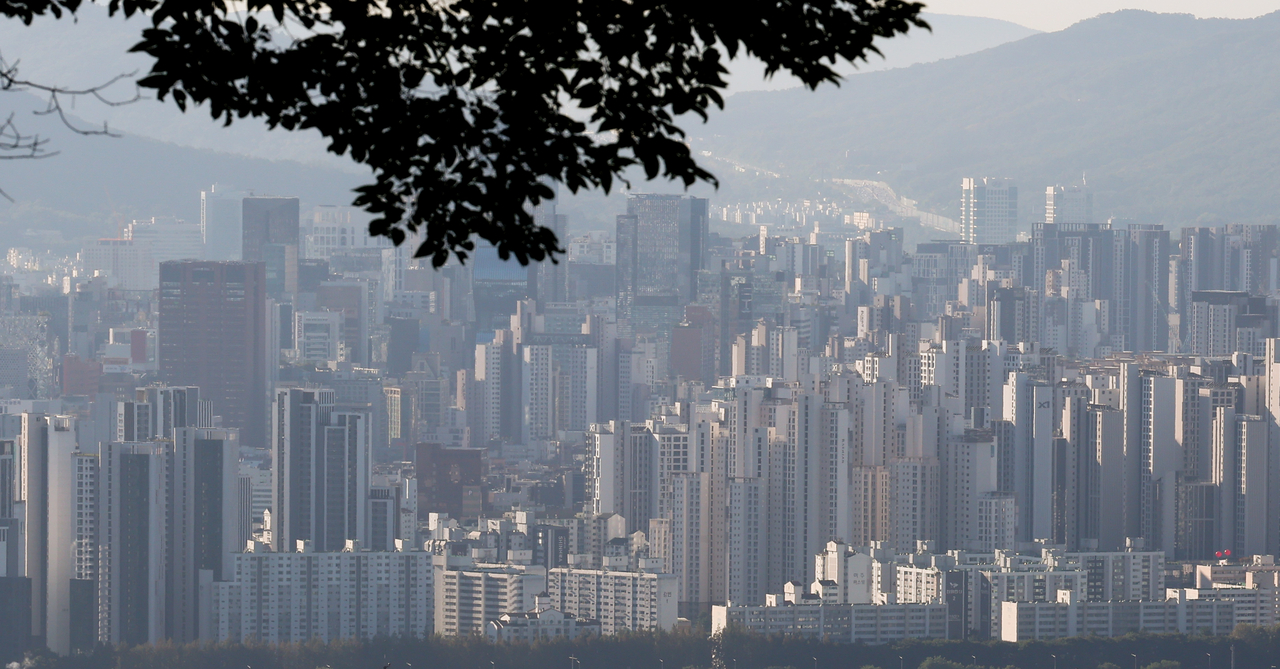
The government has allocated 83 million won ($60,100) in next year's budget for the redistribution of funds collected under the reconstruction excess profit recapture regime, it emerged Sunday. As levies imposed in the 2010s continue to be collected more than a decade later, experts say the government needs to quickly establish a clear direction for how the system will operate going forward.
2.1 billion won collected in 2010–2012, still being recouped
According to the budget proposal the government submitted to the National Assembly on Sunday, the Ministry of Land, Infrastructure and Transport earmarked 83 million won for its "reconstruction excess profit recapture capital transfer" project next year. That is 113 million won less than this year's budget of 196 million won — a year-on-year decrease of 57.7 percent.
The capital transfer program redistributes to local governments with poor residential environments the portion of reconstruction levies — collected from excess profits generated by reconstruction projects — that flows to the central government. Reconstruction levies are distributed among the central government, metropolitan governments and basic local governments, and the central government's share is in turn redistributed back to local authorities.
"Most reconstruction levies go to local government revenues, with a portion allocated to the central government," a Ministry of Land, Infrastructure and Transport official said. "The funds that come into the central government, combined with any unspent balances, are redistributed to local governments with poor residential environments."
The 83 million won budgeted this time also does not stem from new reconstruction projects but from levies imposed in the past. According to the ministry, roughly five project sites had a total of about 2.1 billion won in reconstruction excess profit recapture levies imposed on them around 2010 to 2012, and a portion of that amount went unpaid due to litigation and other reasons — and has continued to be collected through recent years.
"The ongoing collection of past reconstruction levies that went unpaid due to litigation is what is driving the continued budgeting for the related capital transfer," the ministry official said. The situation illustrates that the reconstruction excess profit recapture regime remains, even now, at the stage of collecting levies imposed years ago.
The reconstruction excess profit recapture system was introduced in 2006 to recoup excess profits generated by reconstruction projects. It calculates excess profit by subtracting the value of housing at the start of a project, normal housing price appreciation and development costs from the value at the project's completion, then imposes a levy accordingly.
After its introduction, the system went through a period during which levies were not actually imposed, depending on real estate market conditions. In particular, levy imposition was suspended for reconstruction projects that applied for management and disposal plan approval between Dec. 18, 2012, and Dec. 31, 2017. After the system was reinstated, the Constitutional Court ruled in 2019 that the Reconstruction Excess Profit Recapture Act was constitutional.
'A rational approach to the regime must be found'
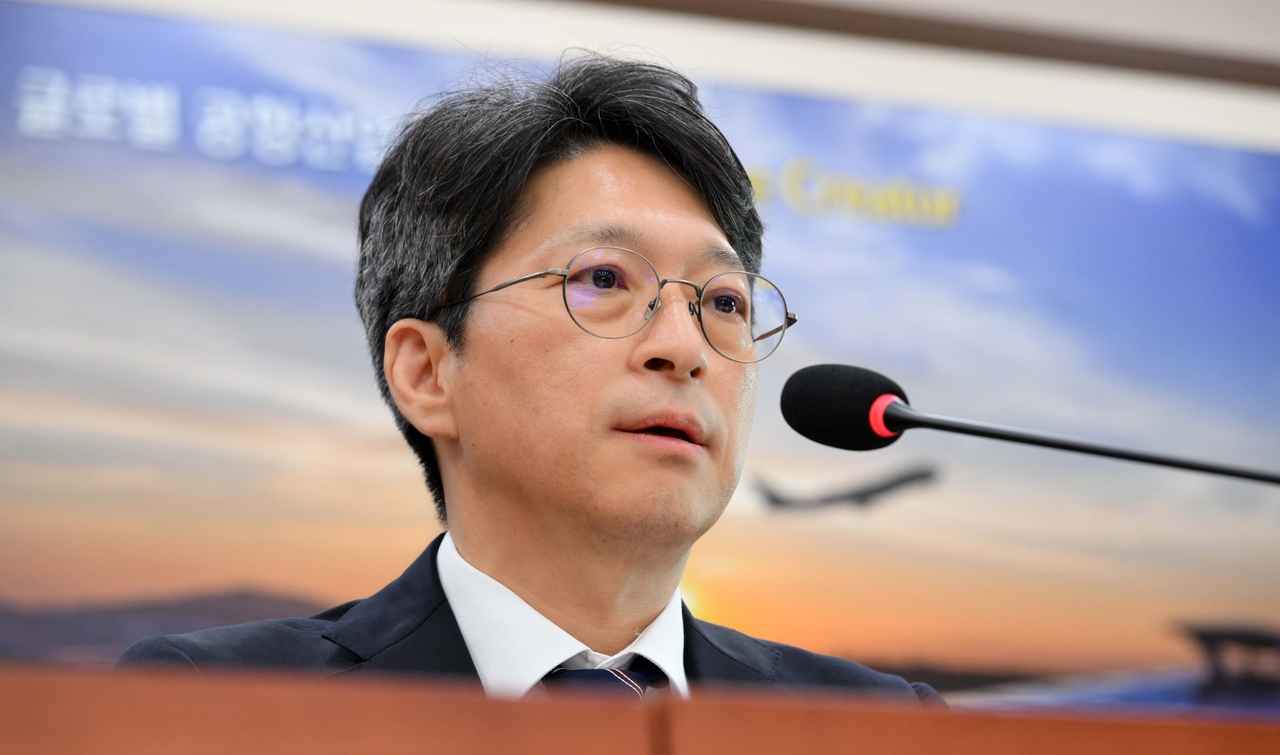
Three bills calling for the abolition or reduction of the reconstruction excess profit recapture levy are currently before the National Assembly, and petitions for abolition and revision have been referred to the land committee's legislation subcommittee. Opinion is divided between those who argue the system should be maintained and those who say it should be abolished or reformed, as the current framework risks increasing uncertainty for reconstruction projects.
"A rational approach to operating the system needs to emerge through the National Assembly's deliberations," a ministry official said, adding that the ministry would monitor the progress of reconstruction projects and the status of levy imposition.
Industry observers say that because the system has repeatedly cycled through suspension and reinstatement since its introduction, uncertainty over the scale of levies and whether they apply to individual project sites has persisted — making it necessary to clarify both whether the regime will be kept and how it will be run in practice.
If levy imposition begins in earnest, debate over reforming the system is expected to intensify. Hong Ji-sun, the nominee for minister of land, infrastructure and transport, said in written responses submitted to the National Assembly ahead of her confirmation hearing that "a way is needed to increase housing supply in urban areas while balancing the interests of the public and private sectors," adding that she would "work to ensure a rational approach to operating the system emerges if the National Assembly takes up legislation to abolish it."
A member of a reconstruction apartment association in Seocho-gu urged abolition of the levy, saying it "is a tax imposed on the assumption that profits have been made from reconstruction, even though those profits have not actually been realized," and that "because capital gains tax is applied when actual profits are realized, the levy has the character of double taxation."
hss@heraldcorp.com