Seoul's child protection policy shifts focus from broader support to more precise, continuous care — ensuring no child is left behind, from safety to healthy growth
As Seoul's child population continues to shrink, the city's child welfare policy is shifting its emphasis from "more support" to "closer protection." The focus has moved toward building a system that not only identifies children in need early and keeps them safe, but also follows their development through counseling, treatment, family rehabilitation and eventual independence.
As the crises facing children grow increasingly complex, the standards for protection are evolving as well. Beyond clear-cut dangers such as abuse and neglect, it has become essential to recognize subtler signals — psychological and emotional difficulties, changes in family dynamics — and connect children to the right support.
Seoul Metropolitan Government is responding to these shifts by strengthening the on-the-ground capacity of its child protection system and deepening coordination among agencies. The structure is designed to identify children in need quickly, determine appropriate protective measures, and then continue monitoring their development through case management even after initial placement.
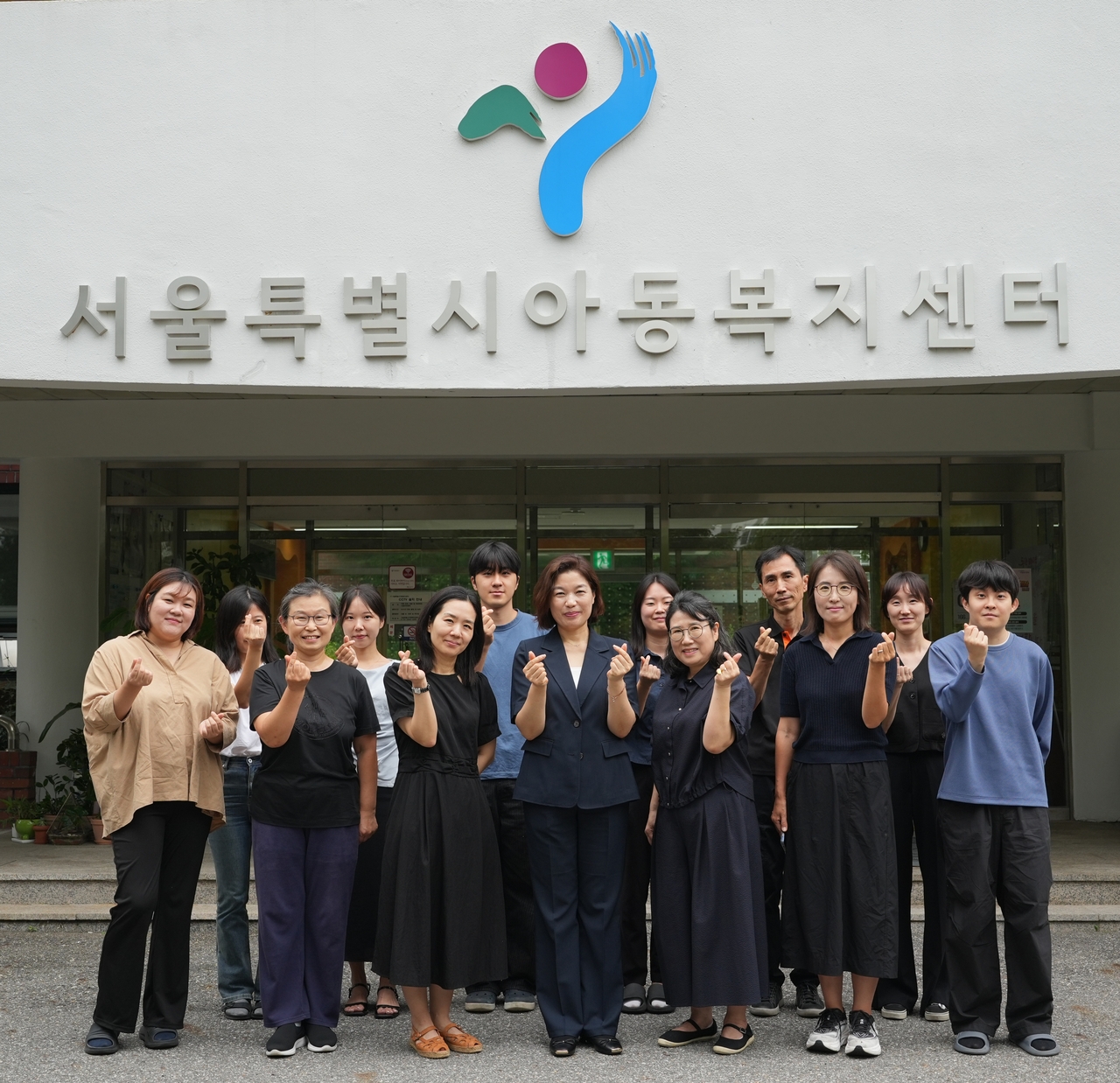
The Seoul Children's Welfare Center serves as the city's metropolitan hub for child protection, underpinning field operations with decades of accumulated expertise since its founding in 1963. It provides temporary shelter, counseling and treatment for children in need, while also supporting case management throughout the protection process and facilitating coordination among relevant agencies.
From early detection to safe protection: building stronger field response
A key shift in Seoul's child protection policy is the simultaneous strengthening of rapid crisis response and continuity of care after initial protective measures are taken.
When child abuse occurs, the first priority is securing the child's safety. That means having a cooperative framework among field agencies to prevent delays in the initial response after a report is filed, and continuing to monitor the child's condition even after protective measures are in place.
Seoul is deepening inter-agency collaboration in its response to child abuse cases. The emphasis is on operating a referral system that ensures cases handled in the field do not end with a single agency, but lead to the protection and treatment the child requires.
The Seoul Children's Welfare Center plays a coordinating role among relevant agencies, helping ensure that necessary support continues without interruption. Through integrated case conferences and other mechanisms, it takes a comprehensive view of each child's situation and bridges the gap between initial protection and longer-term support.
There is also a recognized need to strengthen mental health support for children under protection. Helping children recover from their experiences and move toward stable development is considered just as important as securing their physical safety during the protection process.
Child protection in Seoul is expanding beyond reactive intervention after a crisis to a more preventive approach that identifies warning signs early. The core of this approach is connecting children to professional counseling and treatment when needed, and ensuring that support continues even after their care environment has changed.

From family restoration to independence: a child-centered protection system
Keeping children within their birth families is one of the central approaches in Seoul's child protection policy. The city assesses the home environment and parenting capacity, connects families with counseling and treatment services, and works to ensure children can live stably at home. When safety within the family cannot be secured, children are connected to alternative care arrangements suited to their circumstances.
Even after protective measures are taken, a case management system continues to monitor changes in the child's condition and home environment. Rather than stopping at initial protection, the structure links children to ongoing services — counseling, treatment and birth-family support — tailored to each stage of their development.
Adoption is also addressed within the child protection framework. The focus is on providing prospective adoptive families with the information and procedural support they need, while also connecting them to follow-up services to ensure stable parenting continues after adoption.
Support for frontline child protection workers is being pursued alongside these efforts. Given the high level of expertise and emotional burden the work demands, programs are being developed to strengthen workers' professional capacity and support their psychological recovery.
"Care One," an integrated support model for frontline workers developed by the Seoul Children's Welfare Center, is designed to bolster psychological recovery and professional development. It offers psychological assessments, expert consultations, and relaxation and empathy programs to support workers' mental wellbeing, while peer support groups and practitioner conferences help build field competency.
Seoul's child protection policy is focused on building a connected system that links each stage of the process — from identifying children in need, through protective measures and subsequent counseling and treatment, to birth-family support and alternative care arrangements.
As the child population declines and the needs and characteristics of children under protection grow more diverse, field responses are also evolving. Seoul Metropolitan Government operates its child protection system by assessing each child's individual circumstances and connecting them to the appropriate services.
The Seoul Children's Welfare Center supports this process as the city's metropolitan-level child protection hub, facilitating coordination between autonomous districts and relevant agencies. It underpins field operations through temporary shelter, counseling and treatment, and case management throughout the protection process.
Seoul's child protection policy is moving toward an expanding continuum of support — starting from ensuring children's safety and extending to counseling and treatment, family rehabilitation and the provision of stable care environments. The system is designed to continue monitoring each child's situation after protective measures are taken and to connect them with whatever support they need along the way.
7toy7@heraldcorp.com