Mayor visits Gaebyeong Saejium in Guro-gu
74,000 youth housing units planned through 2030
City to expand financial, rent support alongside supply
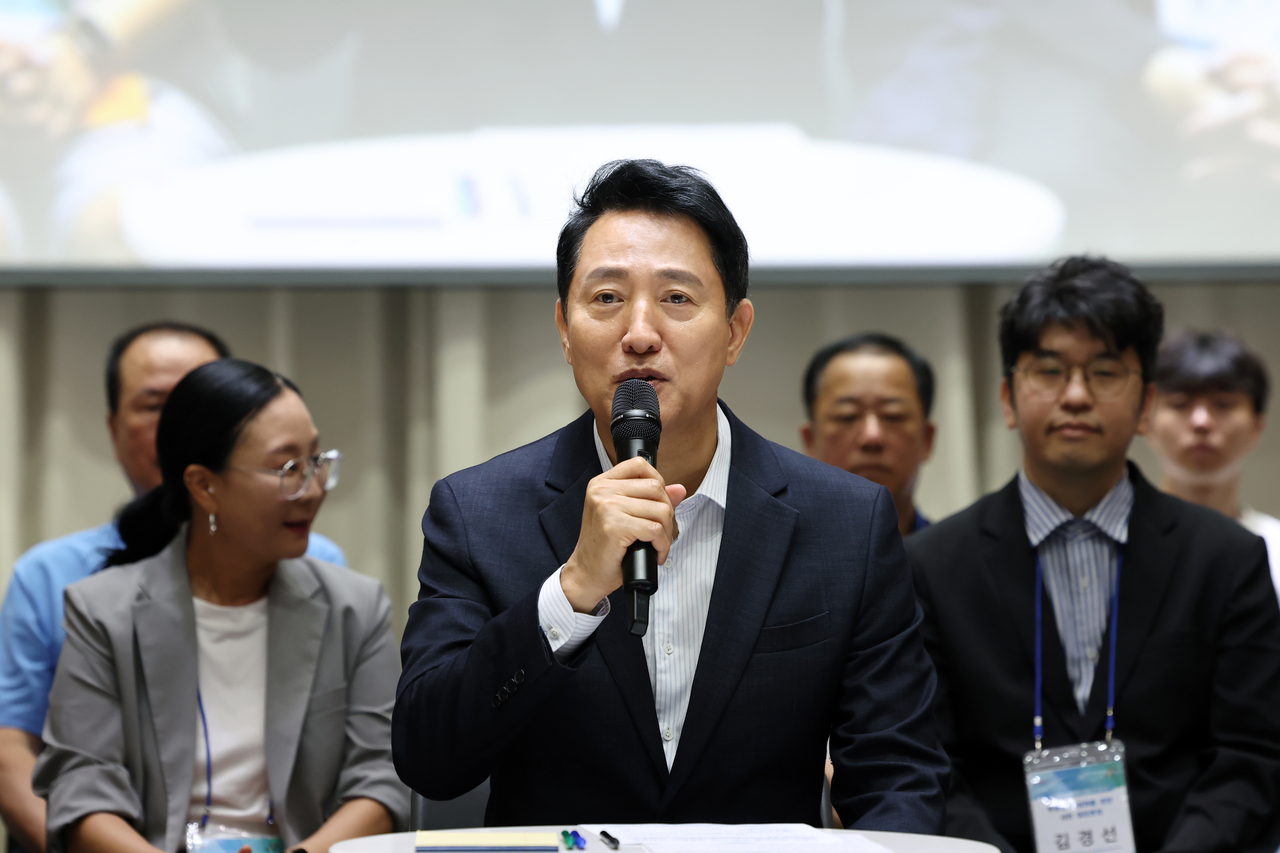
The Seoul Metropolitan Government said it is reviewing plans to expand the transit-oriented area boundary for its Youth Safe Housing program to increase the supply of available units.
Seoul Mayor Oh Se-hoon visited Gaebyeong Saejium, a Youth Safe Housing complex in Gaebyeong-dong, Guro-gu, on Wednesday, pledging to "build a dense housing ladder for young people so they can ease the burden of monthly rent and deposits and accumulate assets." He added that the city would focus its administrative capacity on policies young people can actually feel — not just housing supply, but also financial and rent support.
To enable additional completions under the program, the city is considering expanding the eligible transit-oriented area radius from 250 meters to 500 meters — roughly a 10-minute walk — from a subway station, opening up more potential project sites. Through this expansion, the city plans to supply an additional 17,500 Youth Safe Housing units by 2030, bringing the cumulative total to 46,000 units.
Youth Safe Housing is Seoul's flagship youth residential program, providing quality transit-oriented housing at below-market rates to young people and newlywed couples without homes. As of late July, 101 complexes totaling 33,621 units had been completed. Public rental rates are set at 30 to 50 percent of surrounding market prices, while private rental units are offered at 75 to 85 percent of market rates depending on the type. The first round of public rental recruitment this year drew an average competition ratio of 105 to 1.
Gaebyeong Saejium, near Gaebyeong Station, has a total of 605 units — 96 public rental units, 177 units pre-purchased by the Seoul Housing & Communities Corporation and 332 private rental units. Residents who attended a roundtable with the mayor said the transit-oriented location made commuting convenient, and that below-market rents and caps on rent increases had reduced their housing costs. They added that with housing expenses — which had consumed more than 30 percent of their monthly income — now reduced, they were able to plan for new futures, including career changes and marriage.
At the same roundtable, some residents raised concerns about securing renewal deposits amid tightening household loan regulations. Others worried they could be excluded from policy loan eligibility once their combined spousal income exceeded the threshold after marriage. Oh explained that the Youth Safe Housing special supply allows tenants to renew their contracts within a certain range even if their income rises after moving in, and said he agreed on the need for financial support to stabilize housing for young people.
Since April, the city has doubled the interest subsidy ceiling for private developers' construction financing — from a maximum of 2 percent to 4 percent over three years — to counter a decline in new permits. This month, the city will also revise its operating guidelines to temporarily ease the public contribution rate by 5 percentage points for three years.
The city plans to supply 74,000 youth-tailored housing units by 2030 by adding about 25,000 new units to existing programs such as Youth Safe Housing. New supply includes 10,000 Seoul-type studio units and 2,000 Didimol housing units. At the same time, the city will expand the supply base for youth-specialized housing, co-living facilities and registered private rental co-living houses in transit-oriented areas and business districts.
The city is also moving to lower actual housing costs. Monthly rent support for young people was expanded this year to 200,000 won ($141) per month, covering 28,000 recipients annually. A new program providing 80,000 won per month in building management fee support will also be created for applicants who were not selected. The income threshold for rental deposit interest support will be raised from 40 million won to 50 million won per year, with interest subsidies of up to 3 percent on loan amounts provided to 5,000 people annually.
"Listening to young people today, I was reminded once again that a home is not simply a place to stay — it is the starting point for preparing for the future," Oh said. He pledged to concentrate the city's administrative capacity on policies that young people can genuinely feel, including financial and monthly rent support as well as housing supply.

shy@heraldcorp.com
hope@heraldcorp.com