The Songpa-gu election management commission recognized the possibility of a ballot shortage at 11:50 a.m. on the day of the June 3 local elections and asked the Seoul Metropolitan Election Management Commission to take action, a fact-finding panel has determined.
The shortage quickly spread across multiple polling stations, causing chaos — including the dispatch of ballots without serial numbers to polling sites — and ultimately triggering voting suspensions.
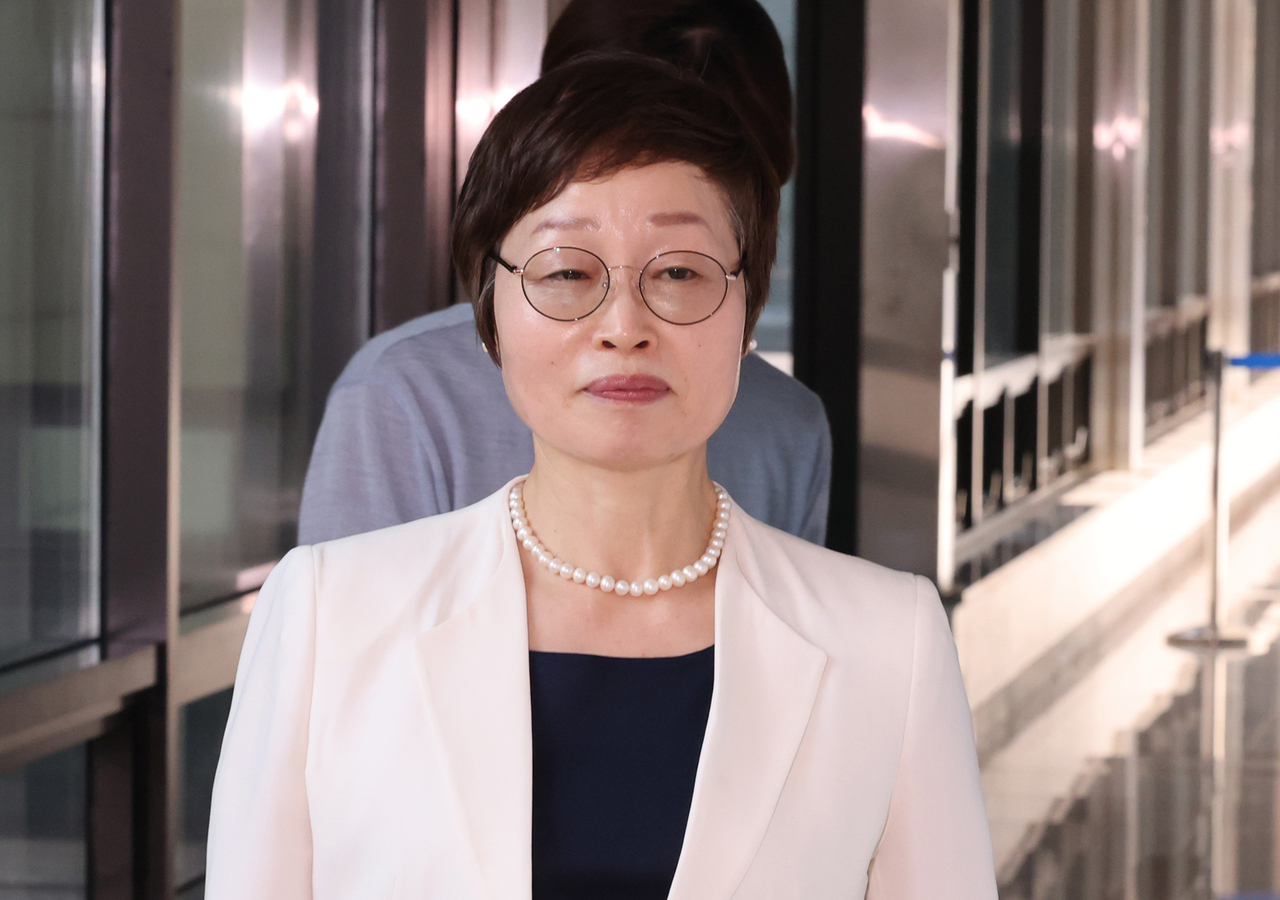
Cho Hyeon-uk, chair of the Ballot Shortage Fact-Finding Committee, briefed reporters on the panel's findings Friday after its third meeting at the Central Election Management Commission's Gwacheon office in Gyeonggi Province.
According to Cho, the Songpa-gu commission contacted the Seoul Metropolitan commission at around 11:50 a.m. on June 3, requesting serial numbers to assign to additional ballots needed because turnout was running higher than expected.
Assigning serial numbers is a required procedure for managing ballots and verifying quantities. Local election commissions normally complete the numbering before transferring ballots to polling stations.
The Seoul Metropolitan commission began providing serial numbers about six minutes later, but the shortage worsened. Voting was suspended at Polling Station No. 2 in Jamsil 7-dong at around 4:46 p.m.
The situation deteriorated further as requests for additional ballots poured in simultaneously from multiple polling stations.
The Songpa-gu commission decided to send ballots to polling stations without serial numbers, leaving on-site election managers to handle the numbering themselves. By around 5:09 p.m., however, even the unnumbered ballots were nearly exhausted, leaving the commission unable to fulfill distribution requests from polling stations.
Compounding the delays, the Songpa-gu commission lacked a dedicated numbering machine and had to use substitute equipment. Required procedures during ballot transfers — including completing handover forms and recording the number of ballots received and their serial numbers — were also skipped. Initially, commission staff transported ballots to polling stations, but as that proved insufficient, clerical assistants and social service workers were pressed into service. In some cases, polling station officials drove directly to the Songpa-gu commission to collect ballots themselves.
"Looking at the overall situation, higher-level commissions never exercised their on-site command authority, and a rapid reporting system was not in place," Cho said. "A fundamental overhaul of the election system is needed."
Joint investigative team analyzes materials seized from election commissions
Meanwhile, the joint police-prosecution task force investigating the ballot shortage has been analyzing materials seized from the Central Election Management Commission and other agencies.
Legal sources said Wednesday that the task force was sorting through meeting minutes and other documents seized from the election commissions the previous day, classifying them by subject and purpose.
On Wednesday, the task force carried out search and seizure operations at seven locations — the Central Election Management Commission in Gwacheon, the Seoul Metropolitan Election Management Commission, and the district commissions in Songpa-gu, Seocho-gu, Gangnam, Gwangjin and Dongjak-gu where ballot shortages occurred — on charges including violations of the Public Official Election Act, dereliction of duty, and occupational embezzlement and breach of trust.
The search warrants named more than 10 suspects, including former Central Election Management Commission Chairman Noh Tae-ak, former Secretary-General Heo Cheol-hun, and the chairs and secretaries-general of the district commissions.
The task force is believed to have obtained ballot printing plans, meeting minutes, budget documents and local election-related files prepared during the election preparation process. Voting records documenting the storage locations, quantities and remaining counts of ballots on election day were also among the seized materials.
As it analyzes the materials, the task force plans to examine the decision-making process and rationale behind ballot printing before the election, as well as the specific content of communications between polling stations and election commissions on election day.
yul@heraldcorp.com