Civic group urges Park to reform the fixed-term civil servant system and block outgoing Mayor Yoo Jeong-bok's last-minute patronage appointments; five officials who left their posts to work on Yoo's campaign are being reinstated to senior positions
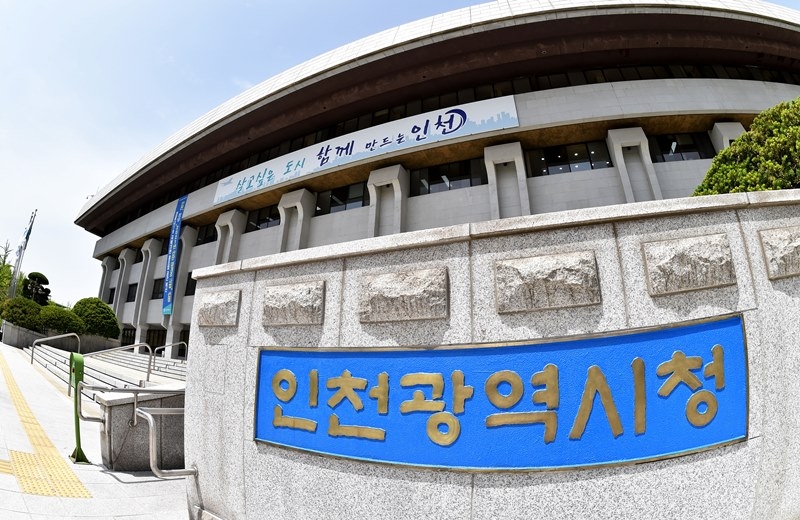
Calls are mounting on Park Chan-dae, mayor-elect of Incheon for the ninth directly elected term, to overhaul the city's fixed-term civil servant system and establish rules that would block outgoing mayors from making patronage appointments in the final stretch of their tenure.
The controversy centers on Incheon City's move to reappoint to senior positions several officials who helped Mayor Yoo Jeong-bok during the June 3 local elections, raising fresh questions about the fairness of the fixed-term appointment system.
The officials at the center of the dispute resigned from their city posts to work on Yoo's campaign and are now being processed for reappointment to senior roles, according to sources familiar with the matter.
On June 5 — the day after the local elections ended — the city appointed a senior official surnamed Kim, who had served as director of citizen communications, as chief of staff at the Grade 4 (secretary-level) rank.
The city is also moving to appoint four others under the fixed-term system: three Grade 4 senior directors of citizen communications and a Grade 4 senior director of public relations planning.
All five, including the new chief of staff, had submitted resignations last month to support Yoo's bid for a third consecutive term as Incheon mayor.
The Incheon branch of Citizens' Coalition for Economic Justice issued a statement Thursday criticizing the fixed-term civil servant system for being used as a tool to reward campaign loyalists and close associates rather than serving its original purpose.
The group said the fixed-term civil servant system was designed to bring in private-sector specialists to strengthen policy expertise within the public service.
In practice, however, the system has repeatedly allowed individuals whose expertise has not been adequately verified to be appointed through what amounts to a perfunctory open-recruitment process, fueling persistent fairness concerns, the group said.
The group also said that mass replacements of fixed-term officials at every change of local government leadership — or last-minute reappointments before a term ends — undermine administrative continuity and stability.
Concerns about internal equity and morale have also been consistently raised, as some senior fixed-term officials receive higher ranks and better compensation than their career civil servant counterparts.
The Citizens' Coalition for Economic Justice said Park should, after taking office, make the hiring and credential-verification process for fixed-term civil servants more objective and transparent.
The group also proposed establishing rules to restrict new appointments and reappointments during a set period before a local government leader's term expires, to preemptively eliminate end-of-term patronage controversies.
It further argued that hiring standards should be tightened and a performance-based management framework built so that fixed-term civil servants can genuinely contribute the policy expertise the system was meant to harness.
"To fulfill Park's campaign pledges to nurture future strategic industries — AI, biotech, culture and energy — the city needs a personnel system that selects specialists with genuine expertise in those fields, not campaign loyalists," the group said.
With the controversy over the fixed-term civil servant system continuing to simmer, attention is turning to whether Park, after taking office July 1, will move to end patronage appointment practices and pursue reforms that raise both professionalism and fairness.
gilbert@heraldcorp.com