People Power Party's Kim Kyung-ho wins a second term in Gwangjin-gu on the strength of a genuine administrative record, despite challenging local conditions
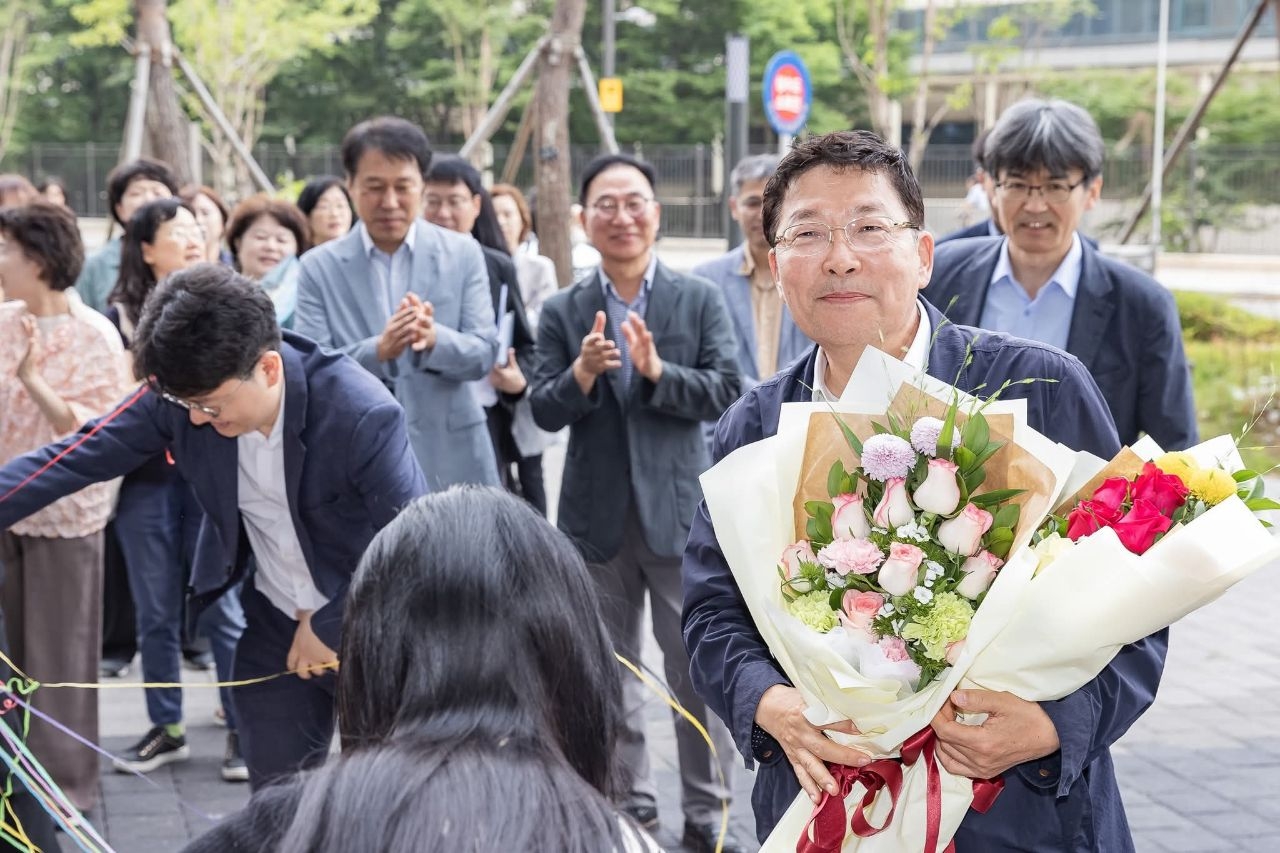
Kim Kyung-ho's reelection as Gwangjin-gu district mayor in the June 3 local elections was more than a routine political victory. Some say it marks a meaningful affirmation: a career administrator who rose through the upper ranks of the Seoul Metropolitan Government has found his footing in politics and earned the renewed trust of his constituents.
Kim was born in Jangheung, South Jeolla Province, and graduated from Salesian High School in Gwangju before earning a degree from Chonnam National University. He passed the civil service examination and joined the Seoul Metropolitan Government, eventually heading both the Urban Transportation Bureau and the Welfare Bureau — two of the city government's most prominent divisions. His stewardship of both transportation and welfare, widely regarded as the twin pillars of Seoul's administration, speaks to his administrative capabilities.
His connection to Gwangjin-gu began when he stepped down from a Grade 2 senior civil servant position to serve as the district's deputy mayor, a Grade 3 post. He later capped his civil service career as secretary-general of the Seoul Metropolitan Council — a Grade 1 position — before becoming president of the Seoul Agricultural and Marine Products Corporation. Recruited by Seoul Mayor Oh Se-hoon, he ran for Gwangjin-gu district mayor in the 2022 local elections, won, and made the transition to elected official.
At the time, few expected a career bureaucrat like Kim to succeed in the political arena. His image was that of a quietly diligent civil servant, not a polished orator with a strong partisan identity.
Over four years in office, however, he let his record speak for itself.
Among his most notable achievements, he pushed forward major projects with the potential to reshape the district's future — expanding the commercial zone around Konkuk University Station, advancing plans for a new Gwangjin-gu district office building, and driving a rapid integrated planning development project along the Han River. He also focused on resolving everyday resident complaints and emphasized field-based administration to reduce inconveniences in daily life.
Sanitation management was another area of focus. He invested in cleaner streets and improved living environments, raising residents' quality of life in tangible ways. Perhaps most significantly, the district received top integrity ratings for three consecutive years after he took office, cementing his image as the most corruption-free district mayor in Seoul — a reputation that proved crucial in building public trust.
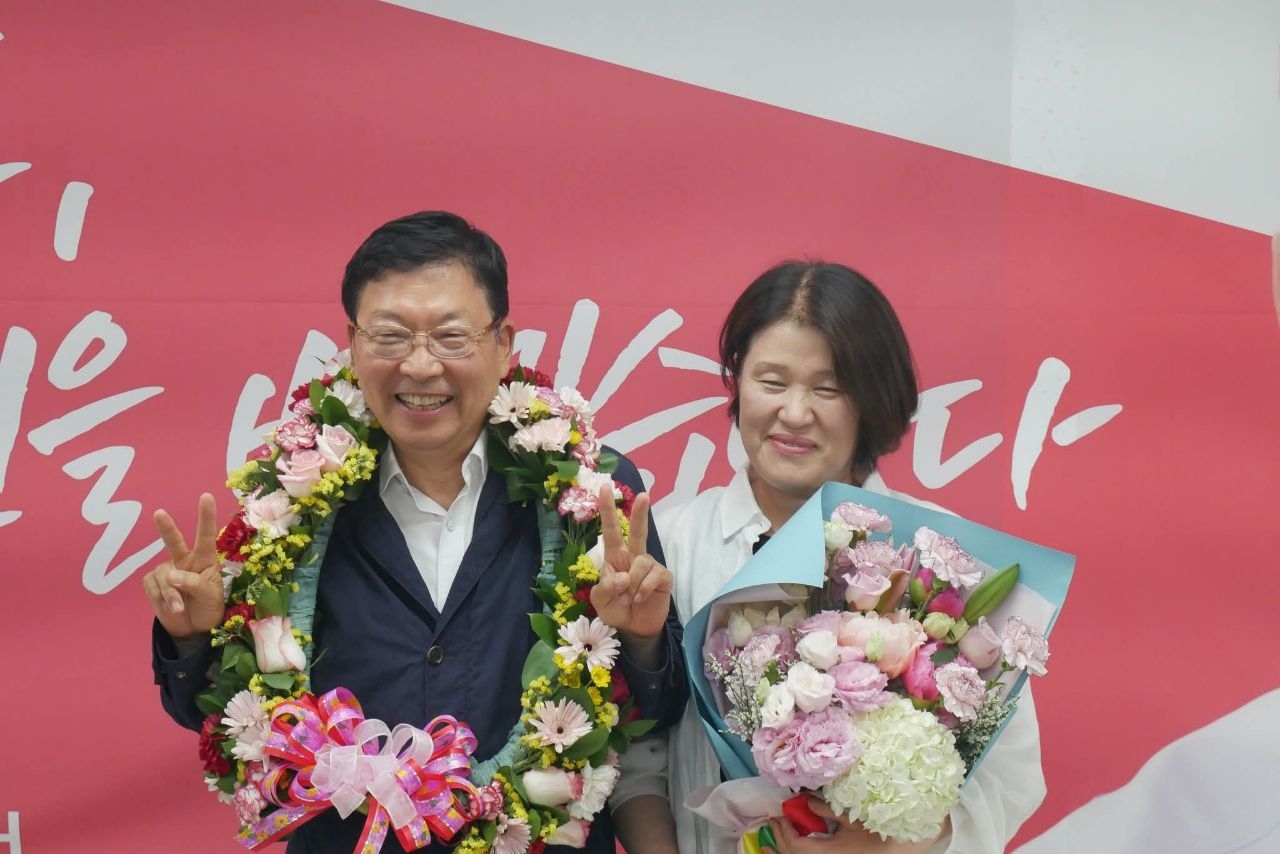
The election result is widely read as residents' verdict on that administrative record. Kim secured reelection with 98,640 votes, winning by a commanding margin.
Political observers point to three main factors behind his victory.
The first is results-driven governance. Kim consistently advanced development projects and lifestyle improvement initiatives that residents could feel directly in their daily lives.
The second is integrity and sincerity. Rather than relying on the rhetorical flair typical of politicians, he built trust through principles and a demonstrable track record.
The third is strong internal standing within the district office. Civil servants in Gwangjin-gu have consistently described him as a district mayor who respects his staff and runs the organization rationally. Analysts say that institutional stability translated directly into administrative results.
Some observers also note that his roots in the Honam region — encompassing South Jeolla and North Jeolla provinces — helped reduce resistance among centrist and progressive voters, broadening his electoral appeal.
Ultimately, the reelection can be seen as Gwangjin-gu residents choosing diligent administration and trust over political sloganeering.
Immediately after his victory was confirmed, Kim said: "I am Kim Kyung-ho, the worker who will communicate and grow together with a happy Gwangjin-gu."
He added that he would take to heart not only the wishes of those who supported him but also those who voted otherwise. "I will communicate more closely with all residents of the district and faithfully carry out the campaign pledges I made — as well as the worthwhile pledges of my opponent," he said.
The election is over, but for Kim the real work is just beginning. All eyes are now on how much further this administrator-turned-politician can transform Gwangjin-gu's future, armed with the mandate of a second term.
seouldream01@heraldcorp.com