ArcelorMittal, the Luxembourg-based steelmaker, donated structural steel for the project; two days later, the White House issued a tariff order with provisions that could benefit the company. The White House denied any connection.
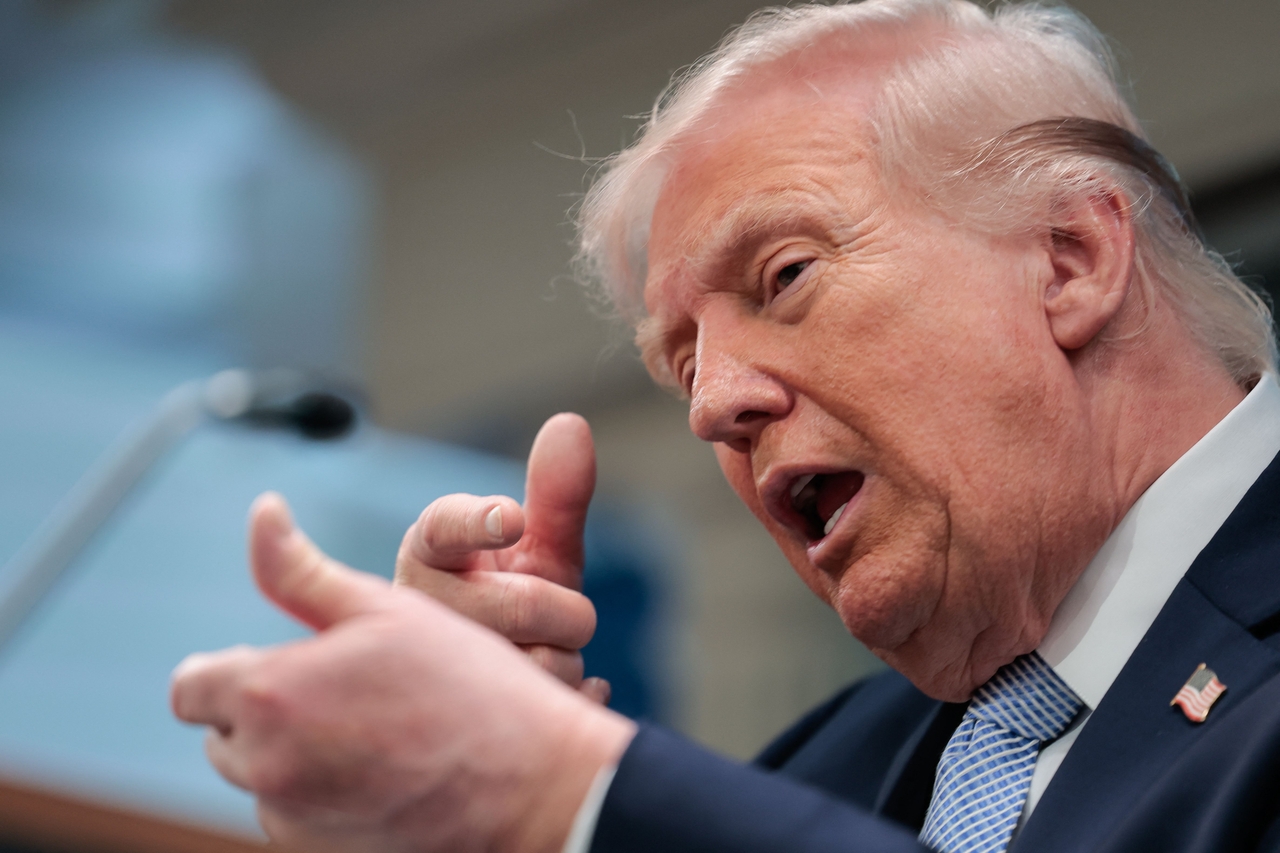
Donald Trump, who has made protecting and rebuilding the American steel industry a cornerstone of his trade policy, accepted a large donation of European-made steel for a new White House banquet hall — a revelation that stirs controversy.
The New York Times reported Wednesday that structural steel for the banquet hall construction is being provided as a donation by ArcelorMittal, the world's second-largest steelmaker, headquartered in Luxembourg.
The controversy deepened over the timing: just two days after Trump publicly announced the steel donation offer in October last year, the White House issued a lengthy proclamation adjusting tariffs on trucks, buses and auto parts — one that included a conditional tariff exemption on aluminum and steel that could benefit ArcelorMittal.
The banquet hall project, which Trump is pursuing through corporate and individual donations, carries a total estimated cost of around $400 million (about 590 billion won). The in-kind steel donation alone is valued at approximately $37 million (about 54.8 billion won).
At a donor event, Trump said companies had agreed to supply all the structural steel and heating and cooling equipment needed for the facility, identifying US firm Carrier as the provider of the HVAC systems. He did not name the steel donor, referring only to "a great steel company" and disclosing that the steel contribution was worth $37 million.
Two days after those remarks, the White House issued the wide-ranging tariff proclamation, which contained a conditional exemption on aluminum and steel tariffs that appeared likely to benefit ArcelorMittal.
A White House official, speaking on condition of anonymity, argued the connection between ArcelorMittal's steel donation and the tariff exemption was "tenuous," adding that no company had yet received a tariff reduction under that provision and that it would apply to other steelmakers as well, not only ArcelorMittal.
Reviving the American steel industry has been a central trade policy goal for Trump since his first term. He first imposed a 25 percent tariff on imported steel in 2018, then doubled it to 50 percent in June 2025 during his second term, in an effort to encourage domestic production over foreign competition.
A White House official acknowledged that ArcelorMittal is a foreign company but emphasized its contributions to the US economy through a joint venture with Nippon Steel in Alabama and an iron ore mine in Minnesota, and denied any suggestion of preferential treatment, saying ArcelorMittal received nothing in return for the donation, The New York Times reported.
ArcelorMittal was formed in 2007 when a steelmaking company owned by Indian-born billionaire Lakshmi Mittal — born in 1950 — acquired the European steelmaker Arcelor.
Mittal, the company's chairman and former CEO, is a known Trump supporter who praised Trump at a business roundtable in New Delhi in 2020. The tariff increases drove up steel prices in the United States and globally, benefiting Mittal's business at the same time.
Mittal has praised Trump's efforts to impose trade restrictions on Chinese steel exports and has also called on the EU to strengthen trade protections for European steel in response to US tariffs.
He also has a longstanding business relationship with Wilbur Ross, who served as commerce secretary during Trump's first term. Ross sold his own steel company to Mittal and served on ArcelorMittal's board until he was confirmed as commerce secretary.
Mittal also sits on Goldman Sachs' board and holds a stake in an Indian oil refinery.
The Financial Times reported in October last year that the refinery had purchased Russian oil carried on vessels sanctioned by the United States and Europe; the company subsequently halted those purchases.
mokiya@heraldcorp.com