NYT: Iran war debate ignites deeper GOP conflict over MAGA's identity
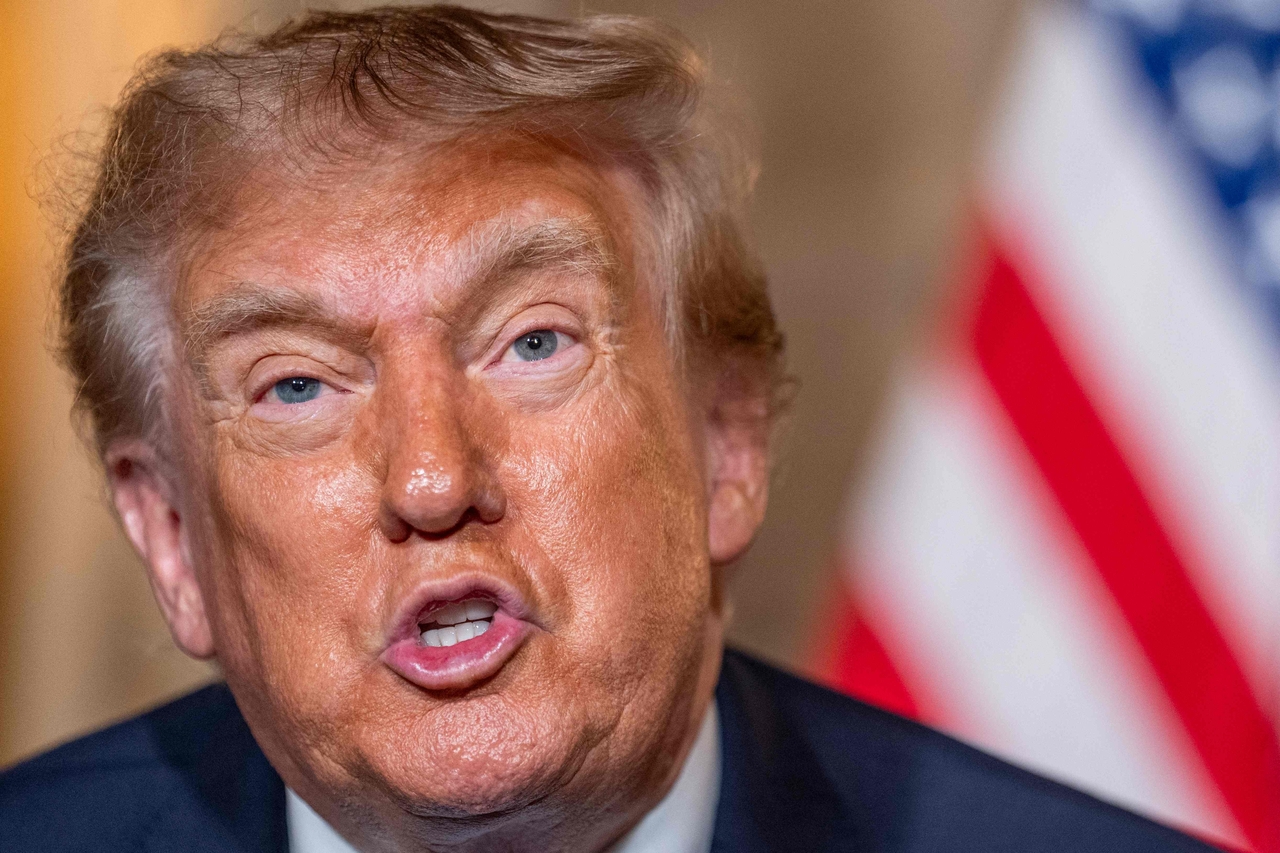
Conflict within the Republican Party over the future of the MAGA — Make America Great Again — movement, the political base of US President Donald Trump, is intensifying, The New York Times analyzed Sunday (local time).
MAGA is a political movement rooted in right-wing populism and American nationalism, with ties to white nationalist factions.
Its core platform calls for a strict "America First" agenda — rejecting foreign military entanglements, pursuing hardline immigration policies, and reviving domestic manufacturing through protectionism and tariffs — to reclaim the economic and social standing the United States has lost over recent decades.
Trump has used MAGA not merely as a campaign slogan but as a tool to reshape the Republican Party's policy direction and consolidate his own political standing.
Yet since the party's midterm defeat, tensions have sharpened over where the MAGA movement should go next and what role Trump retains within it, the Times noted.
Debates over the Iran war and other issues had already been simmering within the GOP before the election. In the four weeks since the midterm rout, those disputes have deepened into a more serious conflict over a central question: what does MAGA mean for the remaining two years of Trump's term?
Elon Musk, CEO of Tesla and SpaceX and the Republican Party's biggest donor, recently declared, "I am not MAGA."
Tucker Carlson, a conservative commentator who has broken with Trump, said Trump had "seriously betrayed" MAGA's principles.
Rep. Lauren Boebert of Colorado, a longtime MAGA loyalist, said after losing her midterm race that "Trump hurt my voters."
On the other side, however, strong support for Trump remains.
Rep. Derrick Van Orden of Wisconsin, who also lost his midterm race, said he was "disgusted" by Republicans who have criticized Trump over the Iran war.
Van Orden argued that the Iran war puts national security interests first and embodies MAGA values. "The problem with the Republican Party is that too many of my colleagues care more about keeping their seats than putting the nation first," he said.
Steve Bannon, a conservative commentator widely regarded as a key Trump strategist, said a "civil war" is underway inside the Republican Party.
Bannon also predicted that the MAGA movement would emerge stronger from the electoral defeat, interpreting the results as a public rebuke of the populist and nationalist agenda that had not been aggressively pursued during the first two years of Trump's second term. He said Trump acknowledged as much by promoting hardline immigration hawk Stephen Miller to White House chief of staff after the midterms.
Whether the intraparty strife has weakened Trump's grip on the GOP or left it intact will be tested at the Republican National Committee chairmanship election in January, the Times said. RNC Chair Joe Gruters, a Trump loyalist, faces a challenge from candidate KC Crosby, who has called for a thorough review of the midterm defeat.
The 2028 presidential primary field will also serve as a test of whether Trump's MAGA movement and his influence within the party remain a force to be reckoned with.
When early signs of fracture appeared within the MAGA camp shortly after the Iran war broke out, Trump insisted that "MAGA is Trump," arguing that the movement's direction is defined by his own policy decisions.
In an interview with NBC this month, he warned that "MAGA has a very specific meaning to me, and people who stray from it don't fare well" — a thinly veiled threat that those who break with him face political ruin.
Yet prominent Republican presidential contenders — including Vice President JD Vance, Florida Gov. Ron DeSantis and Sen. Ted Cruz of Texas — have largely been critics of the Iran war.
Anti-Trump Republicans considered potential presidential candidates have also offered their own analyses of the midterm losses and their visions for the party's future.
Former New Jersey Gov. Chris Christie, who had supported the Iran war, accused those who backed it and then reversed course of opportunism rather than principle. "That's not principle — that's opportunism," Christie said.
Christie also cited Trump's tariff policies, his pro-Russia posture and his crude rhetoric as factors behind the midterm defeat.
Rep. Don Bacon of Nebraska said the party faces "a massive debate about its identity," adding: "Losing power forces people to reassess. And Trump lost completely."
mokiya@heraldcorp.com