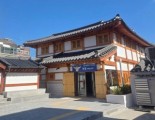
Ananda, a yoga studio in Yeonhui-dong, Seodaemun-gu, Seoul, operated by singer Lee Hyo-ri, has issued a warning to members about no-shows.
According to the studio's official Instagram account Friday, Ananda announced that members who fail to show up for a booked class three or more times in a single month will have one session deducted from their pass. "A reservation is a promise, and a promise is most beautiful when kept," the studio said, urging members to "honor this precious commitment out of consideration for one another."
Lee opened Ananda in Yeonhui-dong in late August last year and has taught classes there since September. Single-session passes priced at 35,000 won ($26) sold out immediately when the studio launched. Since then, Ananda has banned filming during classes and physical contact without consent — a rule introduced in April — and in July asked visitors without a class pass to refrain from dropping by.
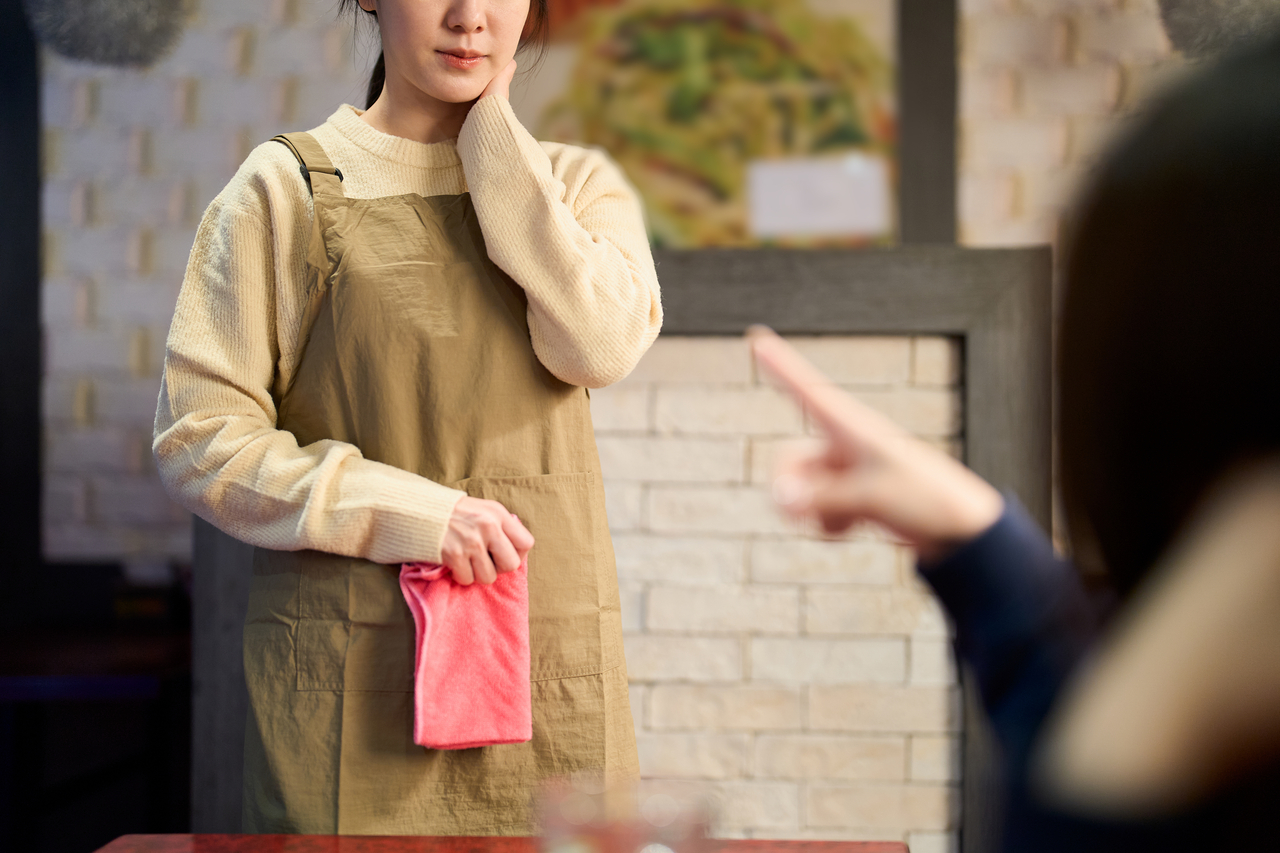
The no-show problem extends well beyond yoga studios. For reservation-only restaurants, a guest who fails to appear means both an empty table and wasted ingredients prepared in advance.
A survey on no-show damage to small businesses, released by the Ministry of SMEs and Startups in January, found that 65 percent of 214 food-service establishments had experienced no-shows in the past three years. Affected businesses reported an average of 8.6 no-shows over that period, with each incident costing an average of 443,000 won in losses.
The same survey found that 95 percent of food-service businesses take reservations by phone — a method that makes it difficult to verify a customer's identity and, in turn, to track down a no-show. Only 14 percent of establishments collected a deposit, and 35 percent of those that had suffered no-shows had pursued legal action.
The Korea Federation of SMEs and the Korea Food Service Industry Association estimated in 2018 that the no-show rate across five sectors — restaurants, hair salons, hospitals, intercity buses and small performance venues — stood at 15 percent, with annual losses reaching 4.5 trillion won.
In response, the government in February 2018 introduced no-show penalty provisions for restaurants into its consumer dispute resolution guidelines for the first time, setting the penalty ceiling at 10 percent of the total bill. The Korea Fair Trade Commission revised the guidelines effective Dec. 18, 2025, raising the cap to 20 percent for general restaurants and up to 40 percent for reservation-based establishments such as omakase and fine-dining venues. The 40 percent rate can also apply to bulk orders and group bookings if customers were notified in advance.
To apply the revised guidelines, restaurants must notify customers in advance — via text message or other means — of the deposit amount, penalty terms and refund conditions. Businesses that treat late arrivals as no-shows must also disclose that policy beforehand. The consumer dispute resolution guidelines carry no legal force and serve as a reference standard used by bodies such as the Korea Consumer Agency when mediating disputes.
Fraud exploiting the no-show format is also on the rise. A common scheme involves impersonating a public institution or military unit to place a large order, then intercepting payment for goods purchased on the victim's behalf. Data obtained from the Korean National Police Agency by the office of Democratic Party of Korea lawmaker Oh Se-hee showed that no-show fraud cases from January through August this year totaled 4,497, with losses exceeding 130 billion won — surpassing the full-year figure of 125.9 billion won recorded last year in just eight months.
dbsdn1110@heraldcorp.com