
Seoul Metropolitan Government to upgrade restroom access in 8 tourist districts
Hygiene and cleanliness standards to be tightened; aging facilities to be renovated
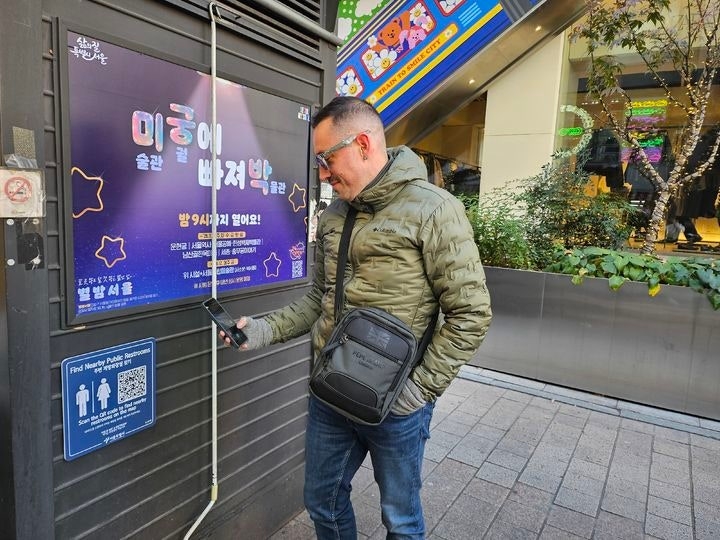
The Seoul Metropolitan Government plans to improve restroom access across eight tourist districts — including Myeong-dong and Hongdae — and 10 traditional markets such as Namdaemun and Gwangjang Market. The city will expand multilingual QR code guides and increase the number of publicly accessible restrooms to make the facilities easier to use for both tourists and residents.
The city announced the initiative Saturday, outlining a three-pronged approach covering restroom guidance systems, expansion of open-access restrooms, renovation of aging facilities, and stronger hygiene and cleanliness management.
The eight tourist districts targeted for improvement are Itaewon (Yongsan-gu), Myeong-dong·Namdaemun·Bukchang-dong·Dadong·Mugyo-dong (Jung-gu), Dongdaemun Fashion Town (Jung-gu), Jongno·Cheongye (Jongno-gu), Jamsil (Songpa-gu), Gangnam MICE (Gangnam-gu), Hongdae Culture and Arts (Mapo-gu), and Express Bus Terminal·Sevit (Seocho-gu).
Across all eight districts, the city will expand multilingual guidance systems to help visitors quickly locate restrooms. Tourists will be able to scan QR codes with their smartphone cameras to see nearby open-access restrooms on a map.
In Myeong-dong, which has seen a surge in foreign visitors of late, vendors say the shortage of accessible restrooms has been a persistent obstacle to attracting tourists.
On Nov. 5, the city began providing restroom location information in English on its official tourism platform, Visit Seoul.
This month, the city began attaching restroom-guide QR codes to street vendor stalls and shoe-repair stands in the Myeong-dong and Namdaemun tourist districts. It plans to extend the rollout to streets, digital information boards, and bus and taxi stops across all eight tourist districts.
The city also plans to increase the number of open-access restrooms available to tourists from the current 148 to 200 by next year.
To reach that target, the city will actively seek participation not only from small shops but also from large corporations and major buildings in key tourist areas such as Myeong-dong and Hongdae, and will ask public institutions to open their restrooms to the public as well.
In addition, five aging public restrooms will be fully renovated by next year to improve hygiene and safety, with the aim of turning them into premium facilities that enhance Seoul's image as a tourist destination.
The city will also build multilingual guidance systems using QR codes and pictograms at 10 traditional markets popular with foreign tourists, including Namdaemun Market and Gwangjang Market.
Markets that lack public restrooms will receive at least one fixed or portable restroom depending on available space, and existing aging facilities will be upgraded.
Restroom cleanliness management will also be tightened. In addition to regular inspections by district offices, the city will deploy foreign mystery shoppers — undercover inspectors — for unannounced checks during the year-end holiday season and major events. Privately operated open-access restrooms will receive expanded supplies of cleaning and sanitation materials, and their hygiene conditions and availability will be verified once a month.
Furthermore, 542 street trash bins will be concentrated in major nightlife and commercial districts with heavy late-night foot traffic — including Hongdae, Seongsu, Bukchon, Jongno, Namdaemun Market and Konkuk University — and 26 additional cleaning staff will be deployed to keep the streets clean.
"Making it easy for tourists to find and use restrooms is directly tied to Seoul's competitiveness as a tourist destination," said Jo Yeong-chang, director of the Seoul Metropolitan Government's Public Health Bureau. "We will continue making practical improvements that visitors can feel on the ground."
ken@heraldcorp.com




