
One CEO is a graduate of a Chinese People's Liberation Army command college
One firm gained Nvidia preferred-partner status just 10 weeks after its founding
A subsidiary of a US-sanctioned Chinese firm also holds top-tier partner status
Sales to both were classified as US domestic revenue in regulatory filings, exposing gaps in export controls
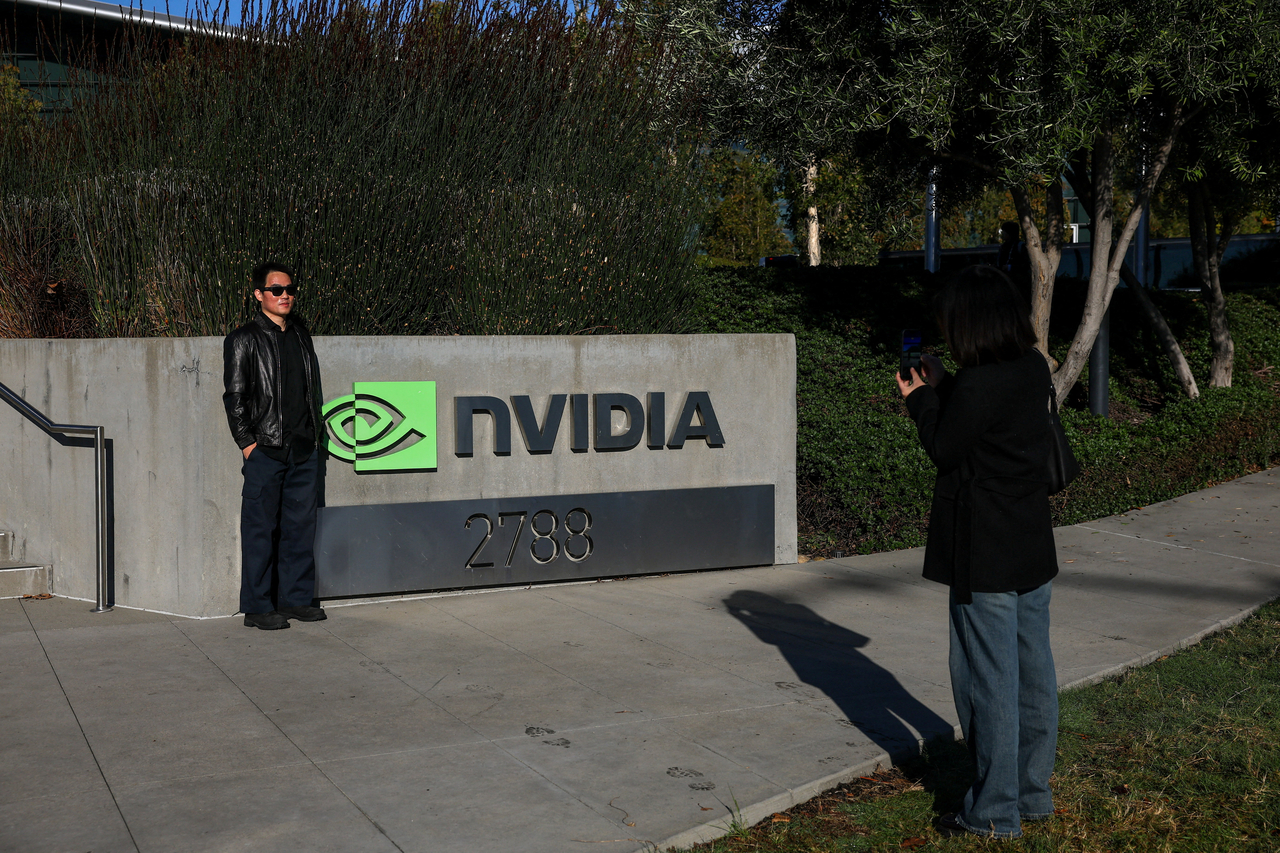
Two Silicon Valley companies that have been buying large volumes of Nvidia's most advanced AI chips are in fact subsidiaries of Chinese firms, an investigation has found. One is led by a CEO who graduated from a university run by China's People's Liberation Army, while the other is a subsidiary of a Chinese company under US government sanctions. Nvidia classified semiconductor sales to both firms as domestic US revenue in its regulatory filings, raising questions about gaps in America's export-control framework for advanced chips destined for China.
CBS News reported Thursday, citing a joint investigation with C4ADS, a nonprofit security research organization, that RiCloud AI and server maker Aivres — both based in San Jose, California — are owned by Chinese entities.
RiCloud AI holds Nvidia's "preferred partner" designation, giving it priority access to the chipmaker's most advanced AI semiconductors. Its actual parent company is Wising Infotech Investment Holdings, a Shenzhen-based firm listed on the Hong Kong Stock Exchange.
Cong Yu, who serves as CEO of both Wising and RiCloud AI, is a graduate of a command college operated by the PLA. Wising's chairman, Li Chang, previously chaired GlobalSwitch Holdings, a data center provider that Australia's Department of Defence removed from its approved supplier list two years ago over security concerns.
RiCloud AI obtained its Nvidia partner status just 10 weeks after it was founded in December last year.
Among RiCloud AI's counterparties are companies with little prior connection to the AI industry. RiCloud AI leased 300 servers equipped with Nvidia's latest B300 AI chips to Agencia Comercial Spirits, a Taiwanese whisky importer, for $120 million.
As recently as last year, Agencia was a small liquor importer with an annual net profit of just $609,000. After Wising's chairman Li took on the chairmanship of the company, however, it signed AI data center contracts worth as much as $600 million.
Nvidia classified the semiconductors sold to RiCloud AI as US domestic revenue in filings submitted to the Securities and Exchange Commission.
Aivres, which holds Nvidia's top-tier "elite partner" status, was also found to be a subsidiary of Inspur, a Chinese server manufacturer under US government sanctions.
Aivres originally operated under the same name as its parent company but changed its name after Inspur was placed on the US sanctions list.
According to CBS, Aivres exported $3 billion worth of server equipment to Megaspeed and Aolani, companies that have provided AI computing services to China's Alibaba and ByteDance.
Megaspeed is also the company where Alice Huang — who has faced allegations of an extramarital relationship with former Nvidia CEO Jensen Huang — served as a senior executive.
Another Nvidia elite partner, 2CRSi, is also under suspicion of involvement in smuggling Nvidia chips subject to US export controls into China.
The findings cast doubt on the accuracy of the regional revenue data Nvidia discloses publicly.
Nvidia previously tallied its country-by-country chip sales based on customers' billing addresses, but changed its methodology in November last year to use customers' headquarters locations instead. The shift revealed that the volume of chips sold to China-headquartered companies was larger than previously known.
CBS said that for companies like RiCloud AI and Aivres — headquartered in the United States but effectively controlled by Chinese entities — even the revised methodology makes it difficult to accurately identify the ultimate end users.
Nvidia states in its filings that "the ultimate customers and ship-to destinations may differ from our customers' headquarters locations."
While the US government has tightened export controls to prevent China from acquiring advanced AI chips, there are limits to how effectively it can monitor chip transactions conducted through overseas subsidiaries and third-country intermediaries. The controversy surrounding Nvidia's chip supply chain to China is expected to intensify following former CEO Jensen Huang's departure, with scrutiny likely to fall once again on the company's partner-selection process and its system for tracking end customers.
sjy@heraldcorp.com




