
- KIST signs technology transfer deal with Haleon Korea
- Commercialization of functional food ingredient targeting aging-related muscle loss underway
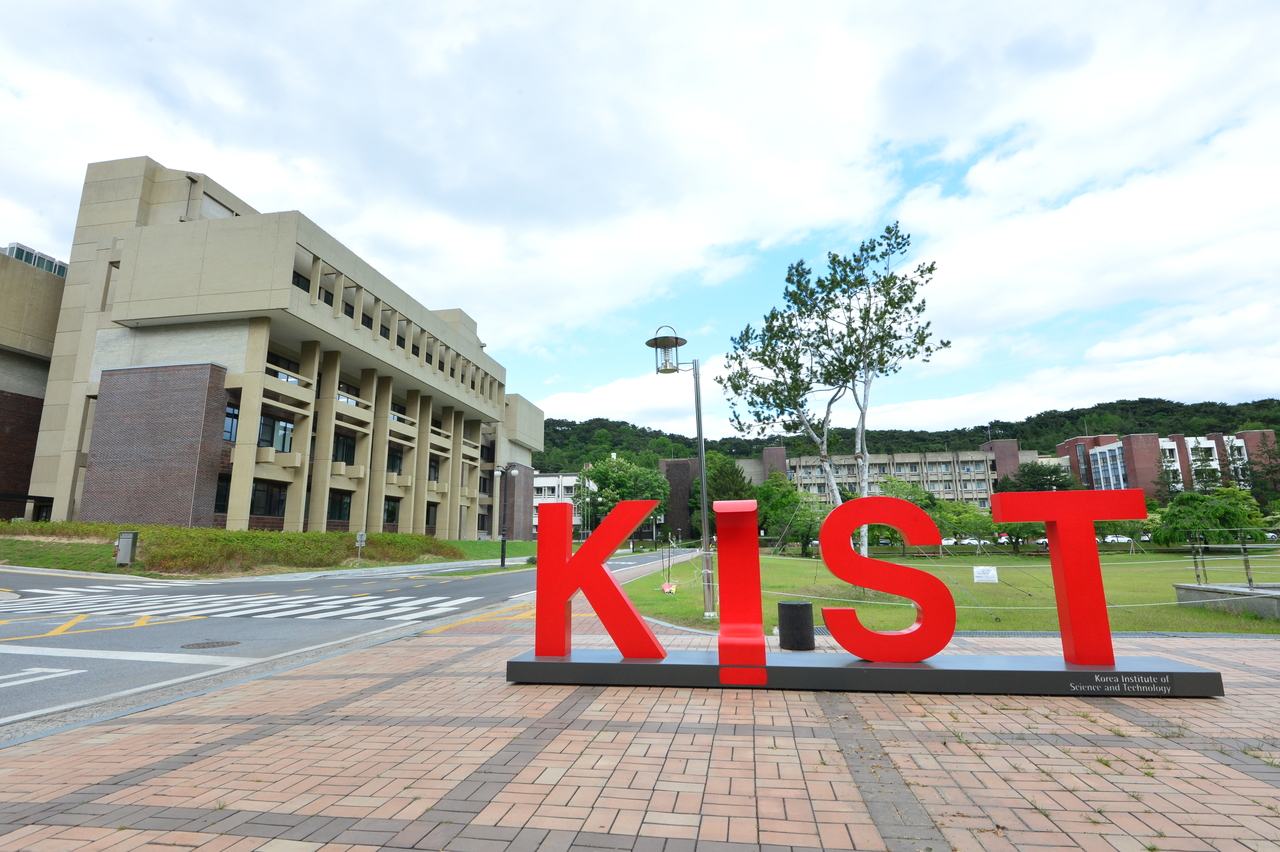
A natural-ingredient-based functional food material developed by South Korean researchers to improve muscle strength is set to enter the global healthcare market.
The Korea Institute of Science and Technology announced Friday that it will hold a technology briefing and performance-sharing event Monday at COEX in Seoul, showcasing results from this year's Technology Licensing Office Innovation Project.
Hosted by the Ministry of Science and ICT and organized by KIST, the event is designed to promote the global transfer and commercialization of public research outcomes.
At the event, KIST will sign a global technology transfer agreement with Haleon Korea, a global consumer healthcare company, for a cornflower-extract-based functional food ingredient aimed at improving muscle strength.
The two organizations plan to jointly pursue additional efficacy and toxicity verification, process standardization and human clinical trials as they work toward commercializing the technology and entering global markets.
The transfer was made possible through a small-scale focused technology consortium run by the National Research Council of Science and Technology, which identified the corporate partner, and was connected to a global deal through the Ministry of Science and ICT's TLO Innovation Project and cooperation with KIST Innovation.
"The cornflower-extract-based material is a natural-origin functional core technology that can help improve muscle strength and promote muscle health, which may decline due to aging," said Kim Myeong-seok, a senior researcher at KIST's Gangneung Natural Products Research Institute. "We hope to accelerate follow-up verification and commercialization research so it can become a product that contributes to public health."
KIST — the first government-funded research institute selected for the TLO Innovation Project — will also share this year's key achievements under the program and unveil nine promising commercialization technologies in the biotech and natural products fields.
The technologies include an mRNA vaccine and therapeutic nanocarrier delivery system; a colorectal cancer targeted anticancer drug candidate; ultrasound-responsive microbubbles for brain drug delivery; a smart patch for real-time wound temperature monitoring; a drug-delivering wound treatment patch; a hydrogel for wound healing and hair growth promotion; a technology to suppress harmful bacteria linked to cavities and gum disease; a whitening cosmetics ingredient candidate; and a vascular endothelial cell aging biomarker candidate.
Researchers will present their technologies directly, and one-on-one technology transfer consultations with prospective corporate partners will also be held.
"Through the TLO Innovation Project, KIST's outstanding research achievements are rapidly spreading as real drivers of innovation in domestic and international industries," KIST President Oh Sang-rok said. "We will provide close support — from identifying promising technologies to global technology transfer and follow-up validation — to help deep tech and biotech companies grow."
Shin Dong-woo, president and chief executive of Haleon Korea, said the partnership with KIST, which holds world-class research capabilities and natural-product core technologies, marks a further step toward developing innovative healthcare solutions. "We plan to work hard on the successful commercialization of this technology and its expansion into global markets," Shin said.
nbgkoo@heraldcorp.com




