New tariffs targeting 14 economies unveiled as inflation surges
WSJ calls timing 'particularly bad' for fresh levies
Strong US growth makes it easier for firms to pass on costs
Washington Post urges Democrats to introduce tariff-repeal bill
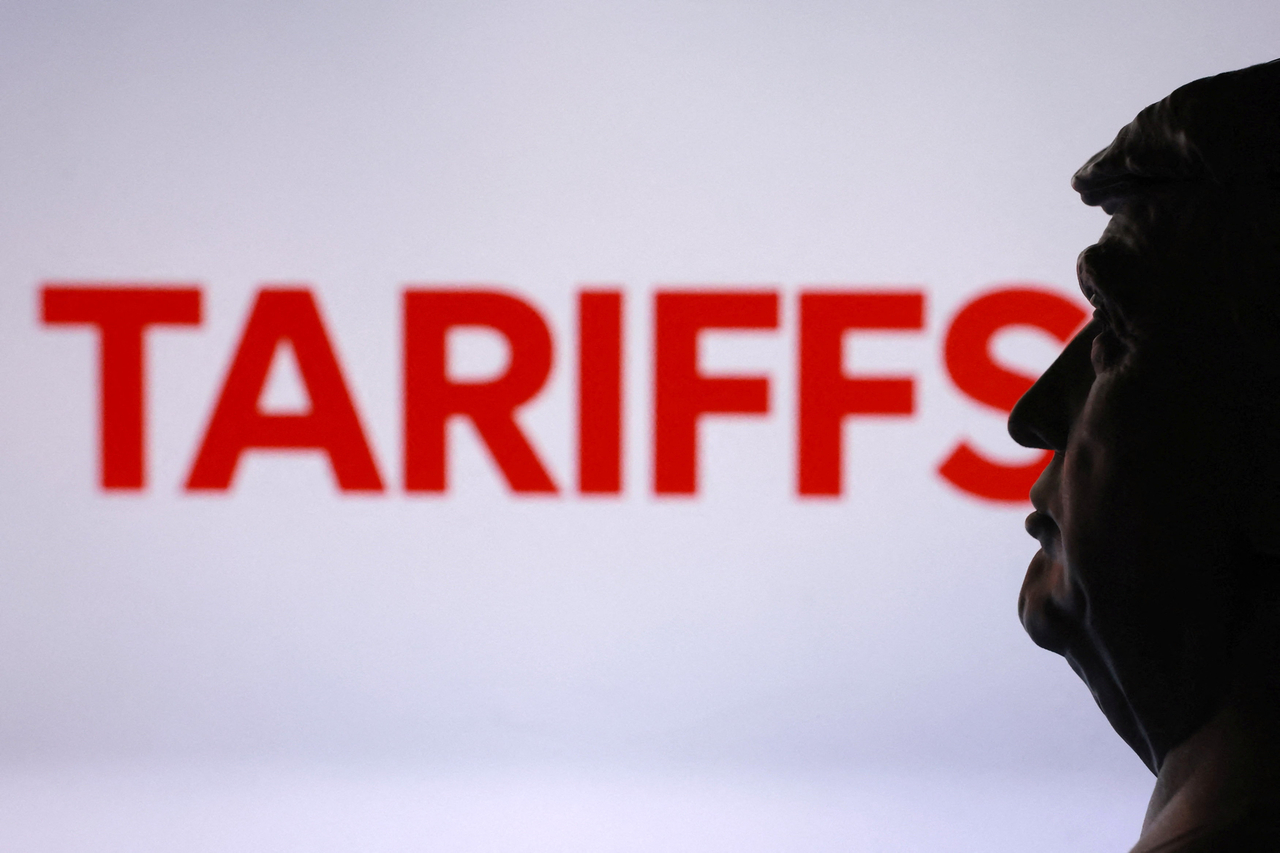
US media are sharply criticizing the Trump administration for pressing ahead with sweeping tariff hikes even as American inflation climbed to its highest level in nearly three years. Commentators say the administration revived policies that stoke price pressures just weeks after Republicans suffered a midterm election rout driven largely by voter anger over the cost of living. The strong pace of US economic growth is expected to make it easier for companies to pass higher costs on to consumers, adding to the Federal Reserve's monetary policy burden.
On Thursday, Wall Street Journal chief economics commentator Greg Ip published a column titled "Why This Is the Worst Time to Impose New Tariffs," criticizing the Trump administration's push to raise tariffs.
"There's never a good time to raise tariffs, given how unpopular they are," Ip wrote. "Even so, this week was a particularly bad time."
Earlier Thursday, the Office of the United States Trade Representative announced plans to impose additional tariffs on 14 economies — including South Korea, China, Japan and the EU — based on the findings of a Section 301 investigation into industrial overcapacity.
The announcement came on the same day the Commerce Department reported that the personal consumption expenditures price index — the Fed's preferred inflation gauge — had posted its highest annual increase in nearly three years.
According to the Commerce Department, the PCE price index rose 3.8 percent in October from a year earlier. The core PCE index, which strips out volatile energy and food prices, climbed 3.3 percent — its highest reading since late 2023.
The tariff announcement came just weeks after Republicans suffered a midterm election defeat in which the cost of living had emerged as the central issue.
The Wall Street Journal said the direct inflationary impact of the new tariffs may be limited, but argued that the direction and timing of the policy are the real problem. With households, businesses and investors already sensitive to rising costs, the Trump administration is creating additional upward pressure on prices, the paper said.
The stronger-than-expected pace of US economic growth is also seen as a factor that could amplify tariff-driven inflation.
US nominal GDP grew 6 percent in the third quarter from a year earlier. With consumer demand holding firm and corporate sales rising, companies find it relatively easy to pass tariff-related cost increases on to customers rather than absorbing them.
Concerns are also emerging within the Fed that corporate pricing behavior could make it harder to bring inflation under control.
Fed Governor Christopher Waller said earlier this month that curbing inflation becomes more difficult in an economic environment where businesses believe consumers will accept price increases.
San Francisco Federal Reserve Bank President Mary Daly said she is hearing more from companies that have reached the limits of absorbing cost increases on their own and need to pass some of those costs on to customers.
If companies that have so far absorbed tariff-related costs begin raising prices, inflationary pressure could intensify further. That dynamic is also seen as a key reason the Fed is expected to raise its benchmark interest rate next month.
The Washington Post also published an editorial Thursday sharply criticizing the Trump administration's new tariffs. Imposing fresh tariffs while inflation is re-accelerating amounts to "economic self-harm," the paper said.
The Post also highlighted negative public sentiment toward Trump's tariff policies among American voters.
Exit polls conducted during the midterm elections found that 66 percent of respondents said Trump's tariffs had hurt the US economy, while only 21 percent said they had helped.
The Post argued that when Democrats take control of both chambers of Congress in January, they should immediately introduce legislation to repeal the Trump administration's tariffs and reclaim Congress's constitutionally granted authority over trade policy.
As the Trump administration pursues tariff hikes to protect domestic industries, the tension with its stated goals of price stability and cost-of-living relief is growing. With rising inflation increasing the likelihood of a Fed rate hike, there are concerns that additional tariffs could translate into higher prices for consumers and heavier interest burdens for households.
sjy@heraldcorp.com