
Joint research team from Samsung Medical Center and Jeju National University Hospital analyzes knee health of Jeju haenyeo
Haenyeo show older age at first knee osteoarthritis treatment and lower risk of joint replacement surgery
Co-author Jo Ju-hee says findings 'suggest possible joint-protective effects of underwater activity' and call for follow-up research
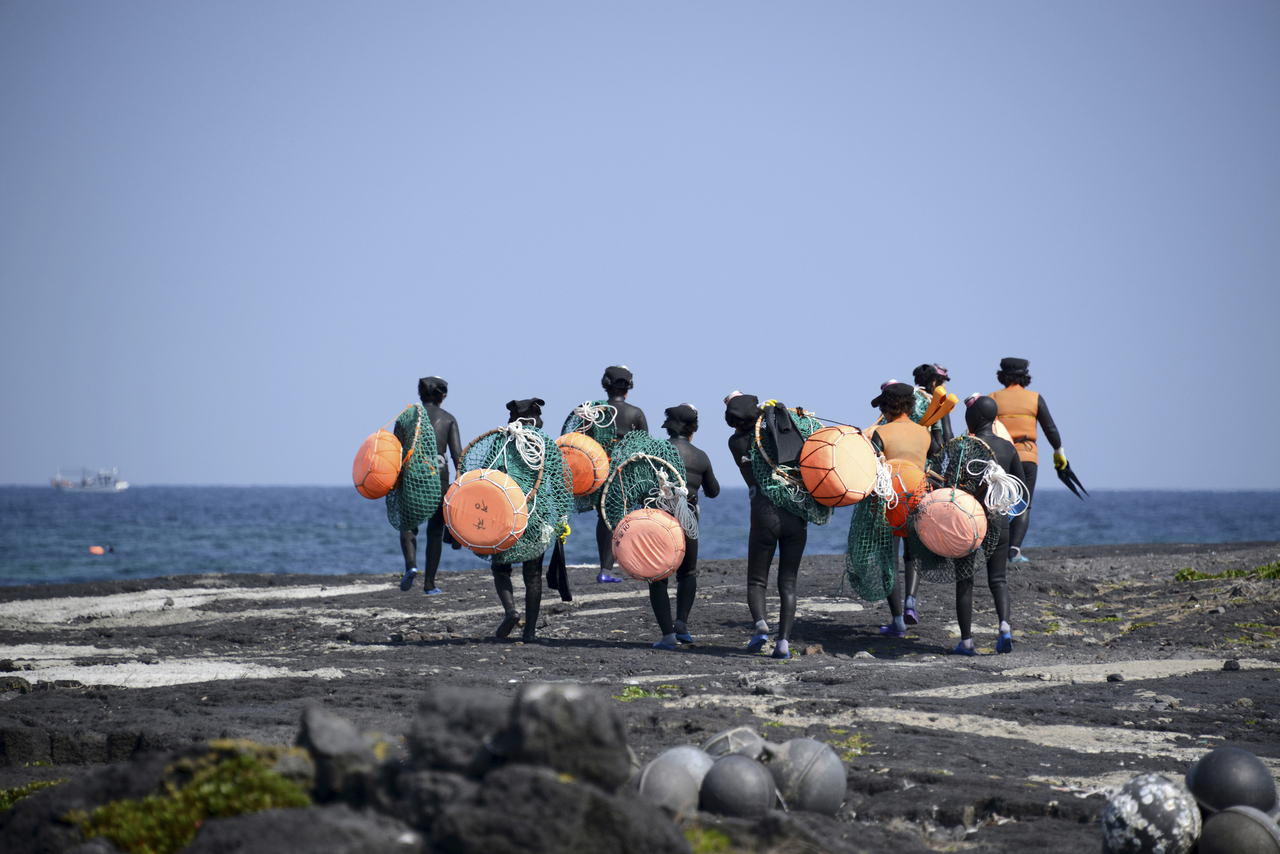
Jeju haenyeo — women who have performed intensive labor at sea for decades — face a lower risk of knee replacement surgery than women in the general population, according to new research.
The finding is notable given the physically demanding nature of their work, and suggests that underwater physical activity may have a positive effect on knee joint health.
A joint research team from the Clinical Epidemiology Research Center at Samsung Medical Center and the Haenyeo Health Research Center at Jeju National University Hospital analyzed clinical data from 16,763 women aged 50 and older who were treated for knee osteoarthritis at Jeju National University Hospital between 2004 and 2023.
Of the study participants, 2,390 (14.2%) were haenyeo. The research team compared the age at first treatment for knee osteoarthritis, the risk of total knee replacement surgery, and post-surgical recovery outcomes between haenyeo and non-haenyeo women. The average age at first treatment among haenyeo was 69.4, compared with 66.6 among the general female population — a difference of 2.8 years.
Differences also emerged when the team assessed the risk of total knee replacement surgery as a measure of disease progression. After adjusting for the location and severity of osteoarthritis and comorbidities, haenyeo had a 14% lower risk of undergoing the procedure than women in the general population.
Particularly among patients with the most severe radiological grade of knee osteoarthritis — Kellgren-Lawrence grade 4 — haenyeo showed a 22% lower risk of knee replacement surgery, a greater reduction than seen across the full study group.
Post-surgical recovery also differed between the two groups. Among 3,989 patients who underwent knee replacement surgery, haenyeo were older and carried a higher burden of comorbidities, yet their risk of hospital readmission within 30 days of surgery was 30% lower than that of non-haenyeo women.
The research team noted that these differences may be linked to the haenyeo's longstanding practice of underwater activity. Haenyeo dive without breathing equipment, holding their breath as they descend to depths of 7 to 20 meters to harvest seafood. Each dive lasts roughly 50 seconds to two minutes, and the activity is repeated dozens of times a day. The work also involves physically demanding tasks such as lifting heavy nets.
The team said water buoyancy may reduce the load placed on joints, while water resistance may help strengthen muscles. The researchers suggested that the muscular strength and cardiorespiratory endurance haenyeo have built through years of underwater activity may have contributed positively to joint stability and post-surgical recovery.
However, because the study is an observational analysis of past clinical data, the team cautioned that underwater activity cannot be said to have directly slowed the progression of knee osteoarthritis. The researchers also noted that the difference in age at first treatment does not necessarily reflect a difference in when the disease actually developed.
Corresponding author Ju Jin-deok, a professor of neurosurgery at Jeju National University Hospital, said the haenyeo represent "a critically important research population for examining the long-term effects of repeated underwater activity on the human body." Ju added that the study "offers new evidence for understanding how prolonged occupational physical activity affects health, by comparing the progression of knee osteoarthritis and post-surgical recovery patterns in haenyeo with those of women in the general population."
Co-corresponding author Jo Ju-hee, director of the Clinical Epidemiology Research Center at Samsung Medical Center, said the study used large-scale clinical data to confirm that haenyeo who have engaged in underwater activity over many years face a lower risk of knee replacement surgery than women in the general population. "There is a need for follow-up research into how aquatic exercise can be applied to the prevention and management of knee osteoarthritis in older women," Jo said.
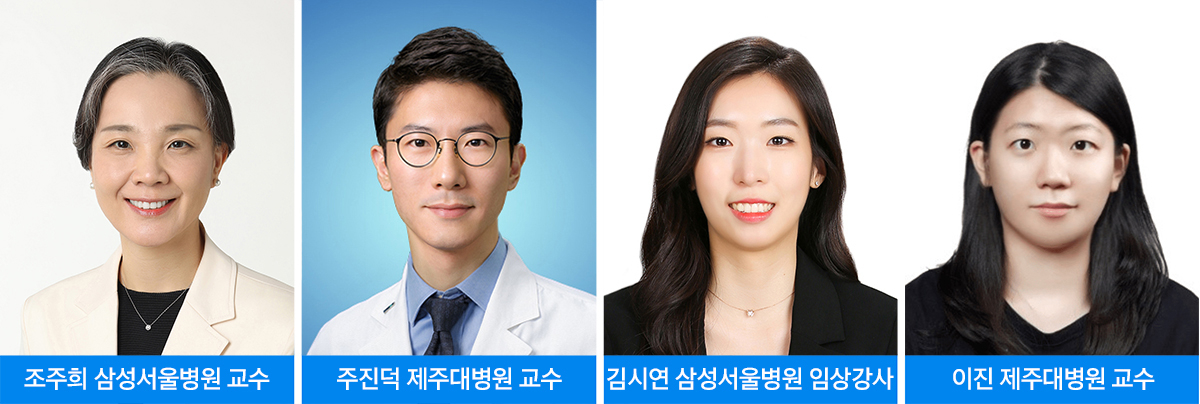
Meanwhile, the study is a product of collaboration between the Haenyeo Health Research Center at Jeju National University Hospital, established in 2024, and the Clinical Epidemiology Research Center at Samsung Medical Center, and stands as one of the center's first major research outputs since its founding. The findings were published in Occupational Medicine, an international peer-reviewed journal in the field of occupational and environmental medicine, with an impact factor of 2.4.
kty@heraldcorp.com




