
Research on aortic valve replacement patients links clonal hematopoiesis mutations to postoperative complications and immune changes
Kang Yoon-jin, a professor in the Department of Thoracic and Cardiovascular Surgery at Seoul National University Hospital, won the Best Moderated e-Poster Award in the adult cardiac surgery category at the European Association for Cardio-Thoracic Surgery annual meeting held in October.
The European Association for Cardio-Thoracic Surgery (EACTS), founded in 1986, is a professional society for cardiac and thoracic surgeons that holds an annual scientific conference. This year's meeting featured more than 400 poster presentations, and Kang's research was selected for the award following an anonymous abstract review.
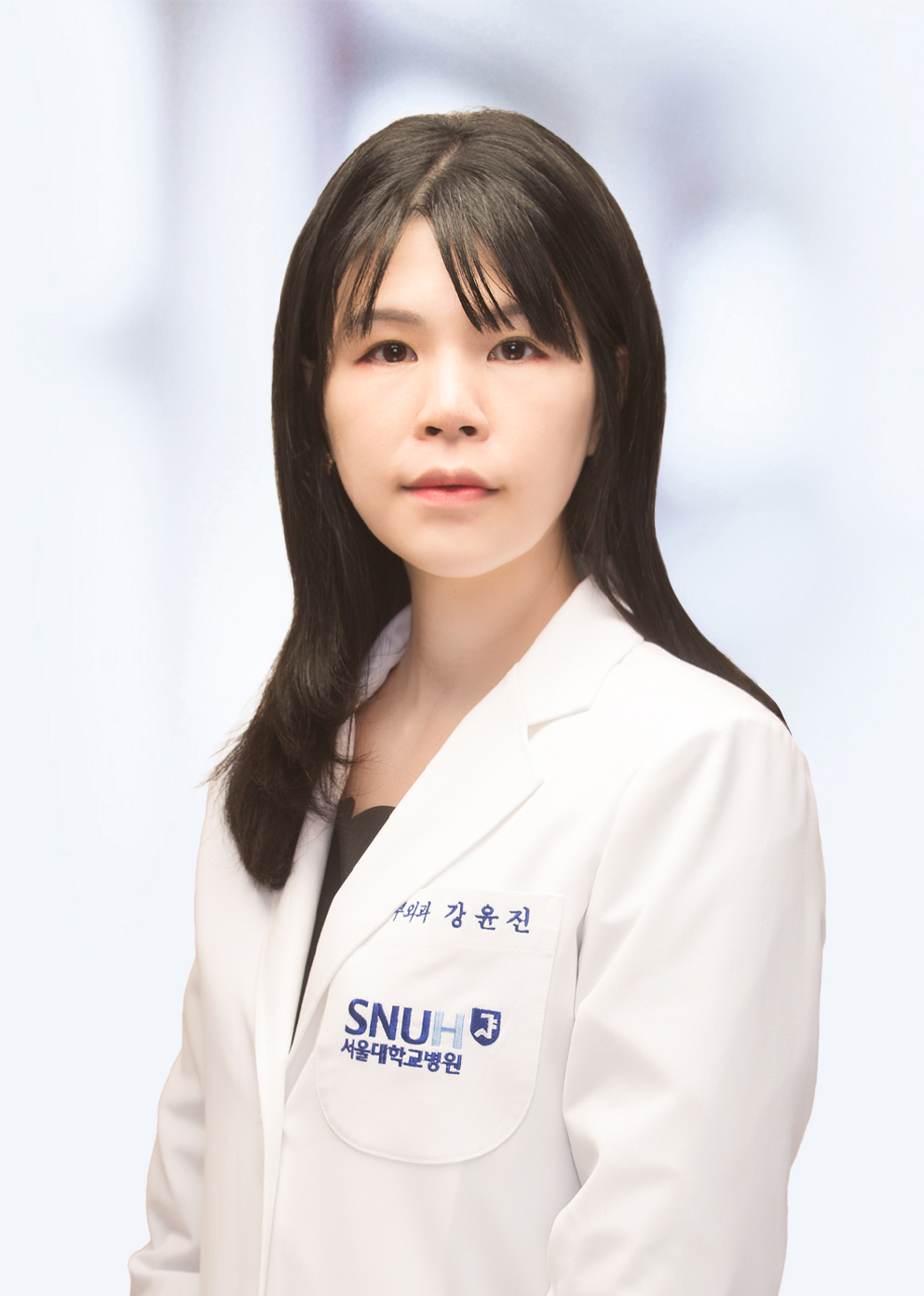
The research was conducted jointly with Kim Kyung-hwan, a professor in the Department of Thoracic and Cardiovascular Surgery, and Na I-rang, a professor in the Department of Convergence Medicine. The research team analyzed the relationship between clonal hematopoiesis of indeterminate potential (CHIP) — an aging-related genetic mutation — and early postoperative complications and immune changes in patients who underwent surgical aortic valve replacement for severe degenerative aortic stenosis.
The analysis found that patients with CHIP mutations faced a significantly higher risk of major early postoperative complications, including respiratory complications, compared with those without the mutations. Patients carrying the mutations also showed marked differences in immune responses before and after surgery. The findings suggest that clonal hematopoiesis may play a role in postoperative inflammatory responses and the development of complications.
The research team plans to validate the findings in a larger patient population and track their association with long-term outcomes. In addition, the team intends to investigate the biological mechanisms linking clonal hematopoiesis and immune changes, with the aim of refining preoperative risk assessment and building an evidence base for individualized treatment strategies.
"This award is meaningful in that it recognizes the value of our efforts to uncover the link between clonal hematopoiesis and complications and immune changes following aortic valve replacement," Kang said. "We will continue to expand our research and contribute to developing patient-specific treatment strategies."
kty@heraldcorp.com




