
- New labs open in radiation imaging and tissue regeneration
- 19 labs selected since program launched in 2018
KAIST is combining decades of accumulated research know-how from veteran scientists with the innovative ideas of younger researchers to secure next-generation source technologies.
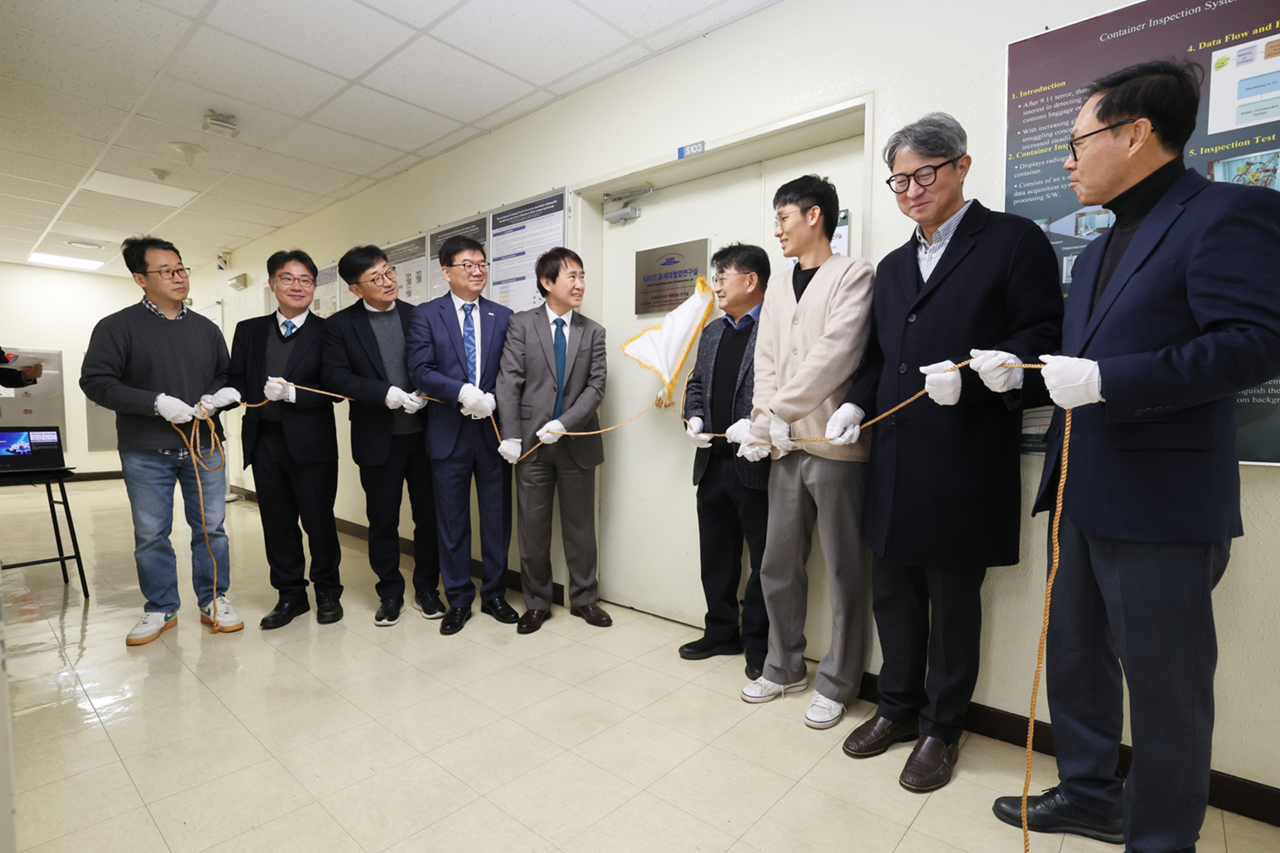
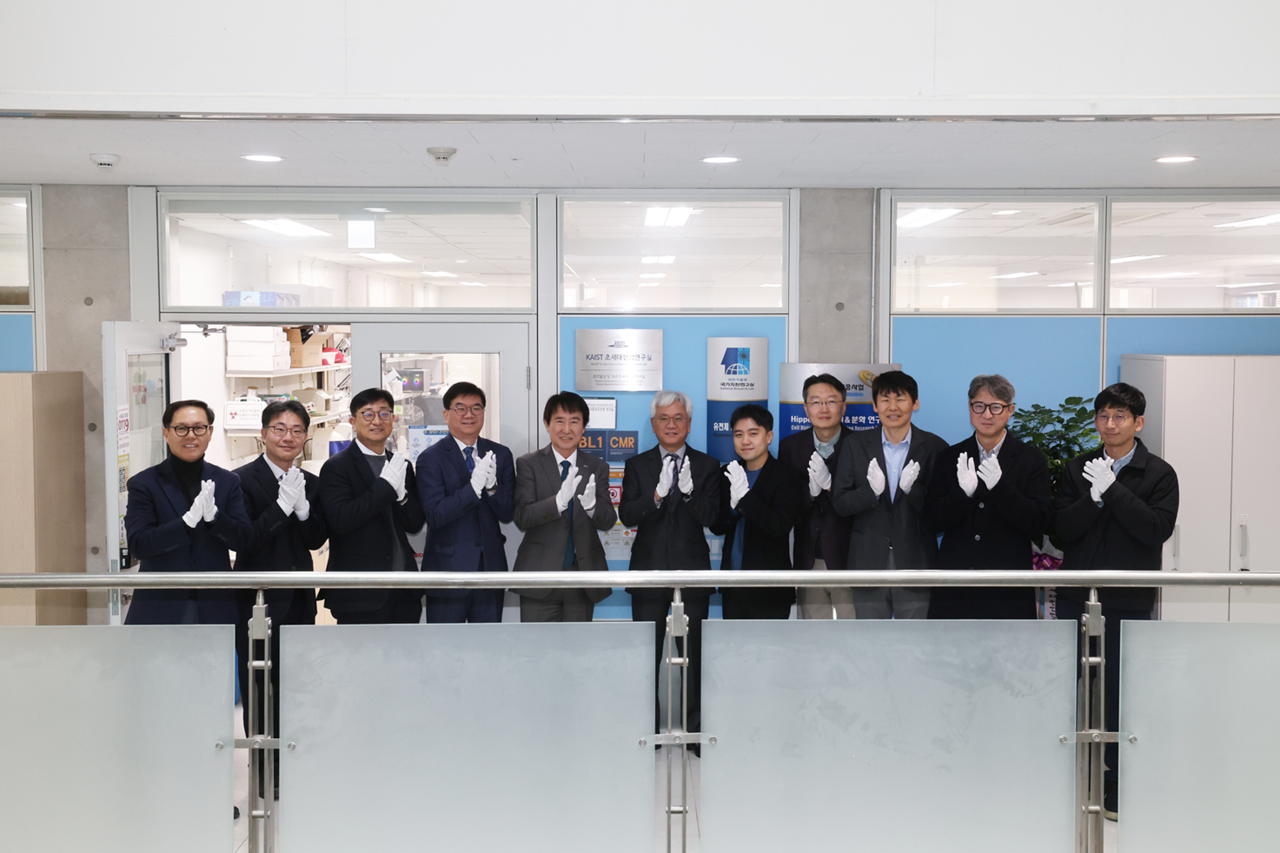
KAIST (Korea Advanced Institute of Science and Technology) announced Tuesday it is opening two new "cross-generational collaborative laboratories" — one in radiation measurement and imaging and another in tissue development and regeneration — and held a nameplate unveiling ceremony the same day.
The cross-generational collaborative laboratory program is a system unique to KAIST in which senior professors pass on their research experience and technical assets to junior colleagues and jointly pursue new research. The core of the arrangement is sharing research facilities and equipment while co-supervising students. Since its introduction in 2018, a total of 19 labs have been selected; 14 remain in operation after five completed their project cycles.
The newly opened Cross-Generational Radiation Measurement and Imaging Laboratory will be led by professors Cho Kyu-seong and Kim Ji-su of the Department of Nuclear and Quantum Engineering.
The lab will combine Cho's three-decade body of work in radiation detection and measurement with Kim's expertise in next-generation imaging and image reconstruction.
Cho previously localized the silicon photomultiplier (SiPM) — a key radiation-detection component that had been monopolized by a handful of overseas companies — bringing its price down to one-tenth of the previous level. Building on that work, Cho independently developed a brain-dedicated positron emission tomography–magnetic resonance imaging (PET-MRI) system capable of observing brain activity and structure at the same time.
The two professors will work on non-destructive inspection technology to precisely identify internal defects in semiconductors, secondary batteries and advanced materials, as well as medical imaging technology that reduces radiation exposure. They also plan to expand the technology's application to the nuclear energy and space sectors.
The Cross-Generational Tissue Development and Regeneration Laboratory will bring together professors Lim Dae-sik, Kim Se-yun and Yang Han-seul of the Department of Biological Sciences.
Lim is a globally recognized researcher in Hippo–YAP signaling, which regulates cell proliferation and differentiation, and has spent 25 years studying the mechanisms behind stem cell-driven tissue regeneration and tumor suppression.
Yang was the first in South Korea to introduce the African spiny mouse — an animal capable of near-scarless skin regeneration — establishing a research platform for comparing tissue regeneration capacity across species.
The research team will investigate differences in regenerative capacity between African spiny mice and common laboratory mice and study the regeneration mechanisms of various tissues including the lungs, intestines and skin. The goal is to develop new treatment strategies for intractable diseases such as cancer and fibrosis.
KAIST President Bae Choong-sik said he has personally experienced the value of the program as a participant. "I myself have felt the meaning of this collaboration — how a junior professor's fresh perspective adds to accumulated research experience," Bae said. "We will continue to support the research assets built across generations so they can fuel the next generation's new challenges."
nbgkoo@heraldcorp.com




