
- Nuri rocket, reusable launch vehicles and private sector to be mobilized
- Chollian-6 geostationary satellite targeted for 2033 launch
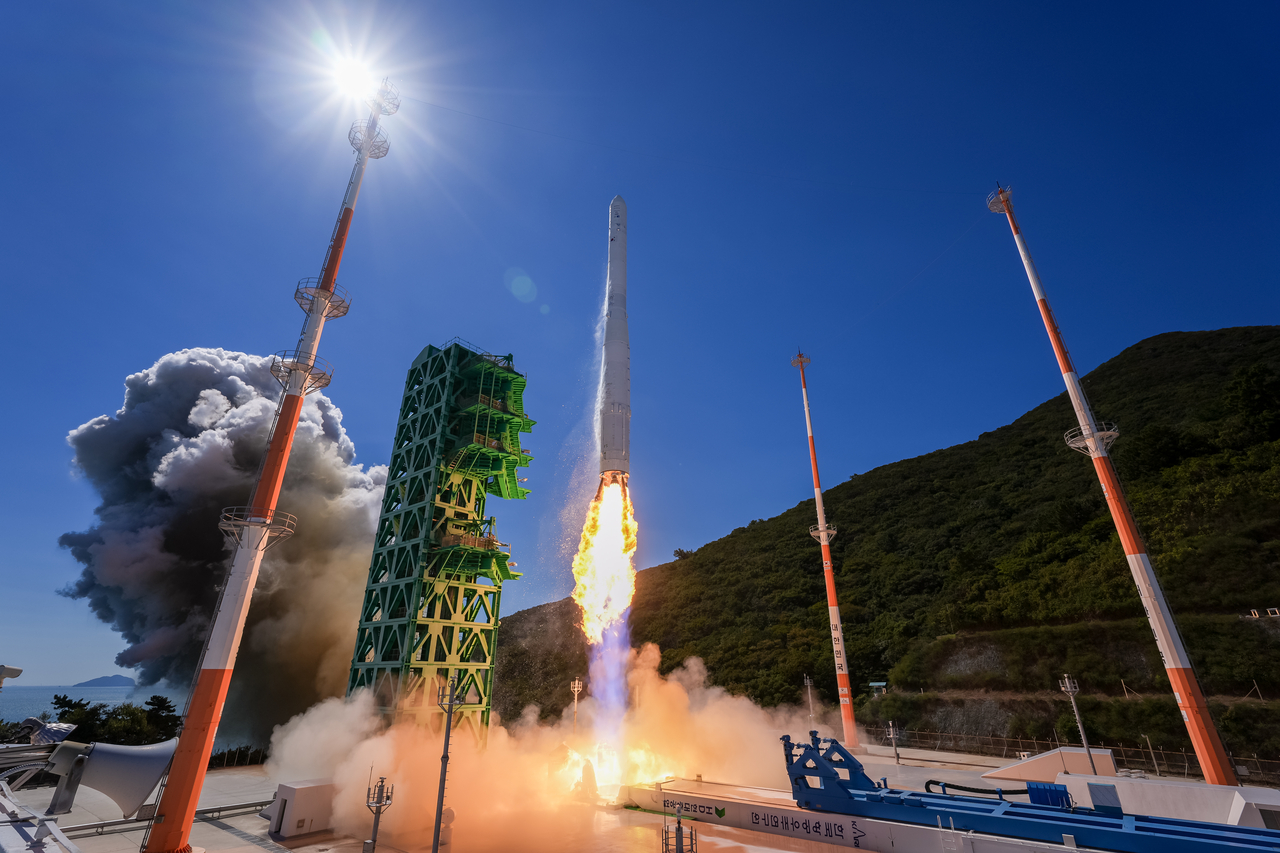
South Korea plans to build the capacity to launch rockets more than 20 times a year by the mid-2030s, diversifying its launch capabilities beyond the homegrown Nuri rocket to include reusable launch vehicles and private rockets as part of an independent space transportation system.
The Korea AeroSpace Administration said Tuesday it held the 11th Space Development Promotion Working Committee at the Marriott Hotel in Sejong and reviewed a strategy to expand the country's space transportation capabilities.
The strategy centers on strengthening South Korea's independent access to space by securing a range of launch vehicles, including Nuri, a next-generation launch vehicle and privately developed rockets.
The goal is to achieve the capacity for more than 20 launches per year by the mid-2030s, allowing the country to meet most of its domestic satellite launch demand — including a Korean low-Earth orbit satellite communications network — through its own means.
To that end, KASA plans to establish a regulatory framework to expand Nuri's use and identify additional launch demand. Regular launches will build the rocket's reliability, and its performance will be upgraded to support a wider range of space missions.
The next-generation launch vehicle will be developed with reusable technology to lower launch costs and increase launch frequency. KASA also plans to support the demonstration of small and medium-sized launch vehicles developed by private companies and to pursue the development of solid-fuel rockets.
Alongside this, the agency said it will expand launch site infrastructure and other related facilities to meet growing launch demand.
The committee also deliberated and approved a development plan for the Chollian-6 geostationary environment and ocean satellite, targeting a 2033 launch.
Chollian-6 will succeed the Chollian-2B satellite launched in 2020. KASA, the Ministry of Climate, Environment and Energy, and the Ministry of Oceans and Fisheries will jointly develop the satellite.
Once launched, Chollian-6 will enable more precise monitoring from space of atmospheric pollutants such as fine dust and ozone, as well as marine disasters including red tides and oil spills.
The project will also pursue the first domestically developed environment and ocean observation instruments to be mounted on a geostationary satellite, aiming to reduce dependence on foreign technology and build independent satellite development capabilities.
The project passed a preliminary feasibility review in August, with development set to begin in 2027 and the satellite scheduled for launch in 2033.
The meeting marked the first participation of the second-term civilian committee members, newly appointed in September. The space transportation expansion strategy will be finalized after review and approval by the National Space Council.
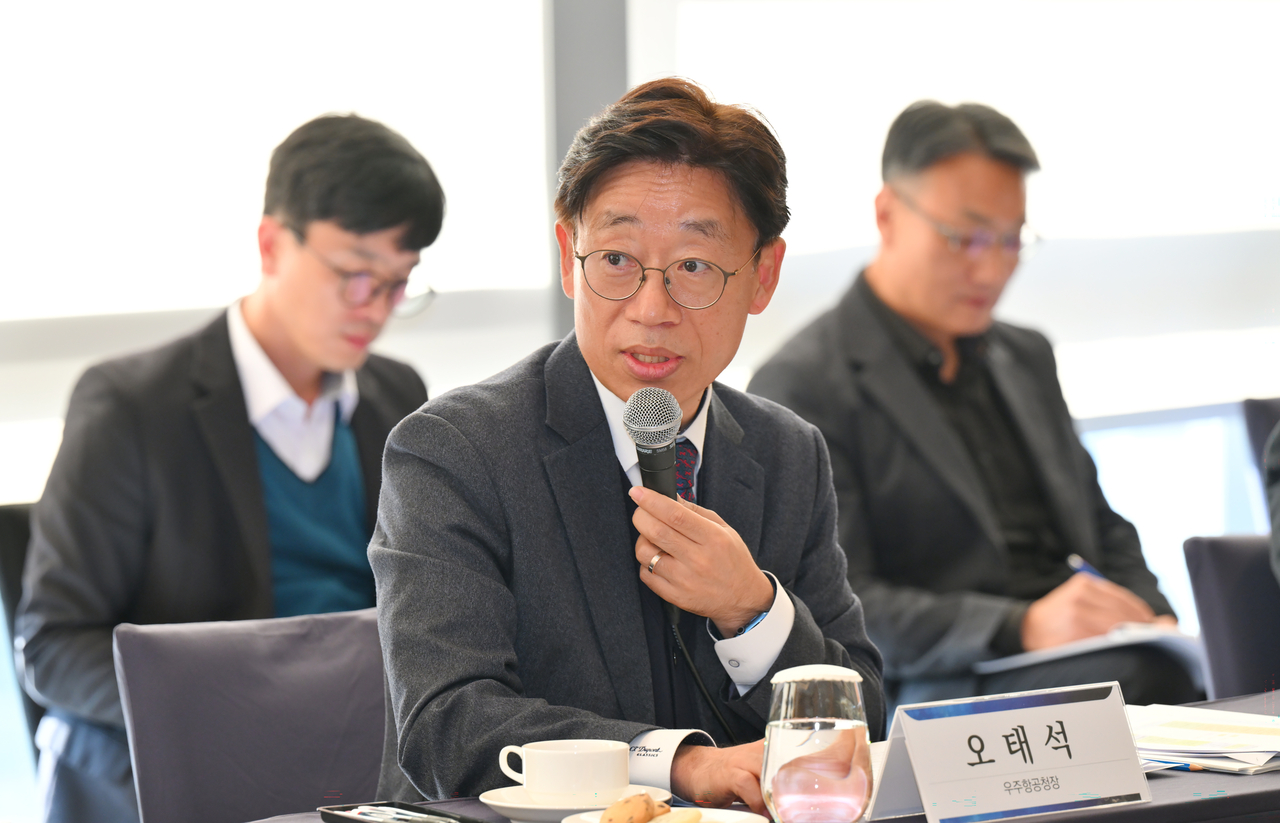
KASA Administrator Oh Tae-seok said space is "an essential national resource affecting not only daily life — including communications and navigation — but also the economy and national security," adding that the agency would "expand South Korea's space territory by enhancing the nation's space transportation capabilities."
nbgkoo@heraldcorp.com




