
Cabinet revokes honors tied to Defense Security Command abuses
Park Jun-byung retains one medal; Defense Ministry cites legal limits on 'false merit' standard
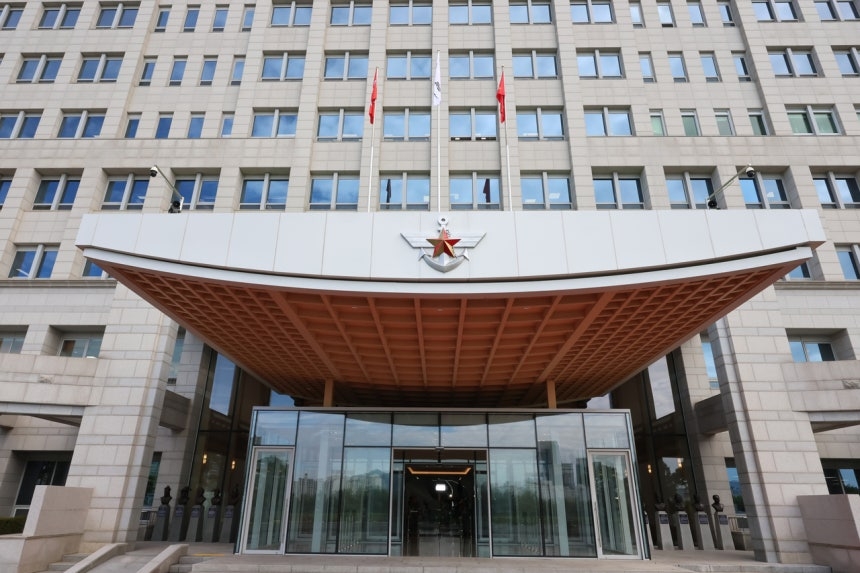
South Korea has stripped state medals from the late Park Jun-byung, the former Defense Security Command chief who directed the agency's "Nokwha" ideological conversion program in the 1980s, and from seven investigators involved in espionage cases later overturned on retrial. The government revoked the National Defense Merit medals on the grounds that they had been awarded for acts of state violence.
The Defense Ministry said Tuesday that a Cabinet meeting approved the cancellation of 10 National Defense Merit medals that had been unlawfully and improperly awarded in connection with the DSC's Nokwha program and espionage cases subsequently cleared on retrial. Eight individuals are affected.
"This measure is intended to uphold constitutional values and restore the integrity and fairness of government commendations by revoking National Defense Merit medals that were unlawfully and improperly conferred on perpetrators of anti-constitutional acts, human rights violations and other forms of state violence," the Defense Ministry said.
Park's National Defense Merit Medal — the Tongil-jang class, awarded July 7, 1984 — was among those canceled. The citation described the honor as recognizing efforts to "prevent civil unrest against the government and promote social stability through intelligence activities," but the Defense Ministry determined it had effectively been awarded for the Nokwha program.
The Nokwha program was an operation in which the DSC forcibly conscripted university students and others in the 1980s and subjected them to illegal ideological conversion campaigns. "The DSC's conduct in leading and directing the Nokwha program constitutes an anti-constitutional act that violated the fundamental rights of citizens and amounts to state violence," the ministry said.
However, a separate National Defense Merit Medal — the Gukseon-jang class — that Park received Oct. 1, 1982, for "contributions to national security" was excluded from the cancellations. The Defense Ministry said the medal predated the start of the Nokwha program in November 1982 and therefore had no temporal connection to it.
The ministry added that the citation's reference to "national security" alone presented legal limits in determining "false merit" as grounds for revocation under the Awards and Decorations Act, and said it would pursue further action if additional evidence of grounds for cancellation came to light.
A separate military honor Park received in June 1980 for his role in suppressing the May 18 pro-democracy uprising — the Chungmu Order of Military Merit — had already been revoked in March 2006.
Nine National Defense Merit medals held by seven DSC investigators who worked on espionage cases later cleared through retrial were also canceled. "Retrials by the judiciary confirmed that the investigation process involved human rights violations, including unlawful arrest, illegal detention and acts of torture," the ministry said.
The Defense Ministry said it would continue to review whether any other medals had been improperly awarded for anti-constitutional conduct, state violence or espionage cases overturned on retrial. "If false merit or procedural defects are confirmed, we will proceed with revocation without exception to establish the integrity and fairness of government commendations," it said.
The ministry added that it hoped the measure would "offer some measure of comfort to the victims and their bereaved families who suffered as a result of the DSC's Nokwha program and the espionage cases overturned on retrial."
rimsclub@heraldcorp.com




