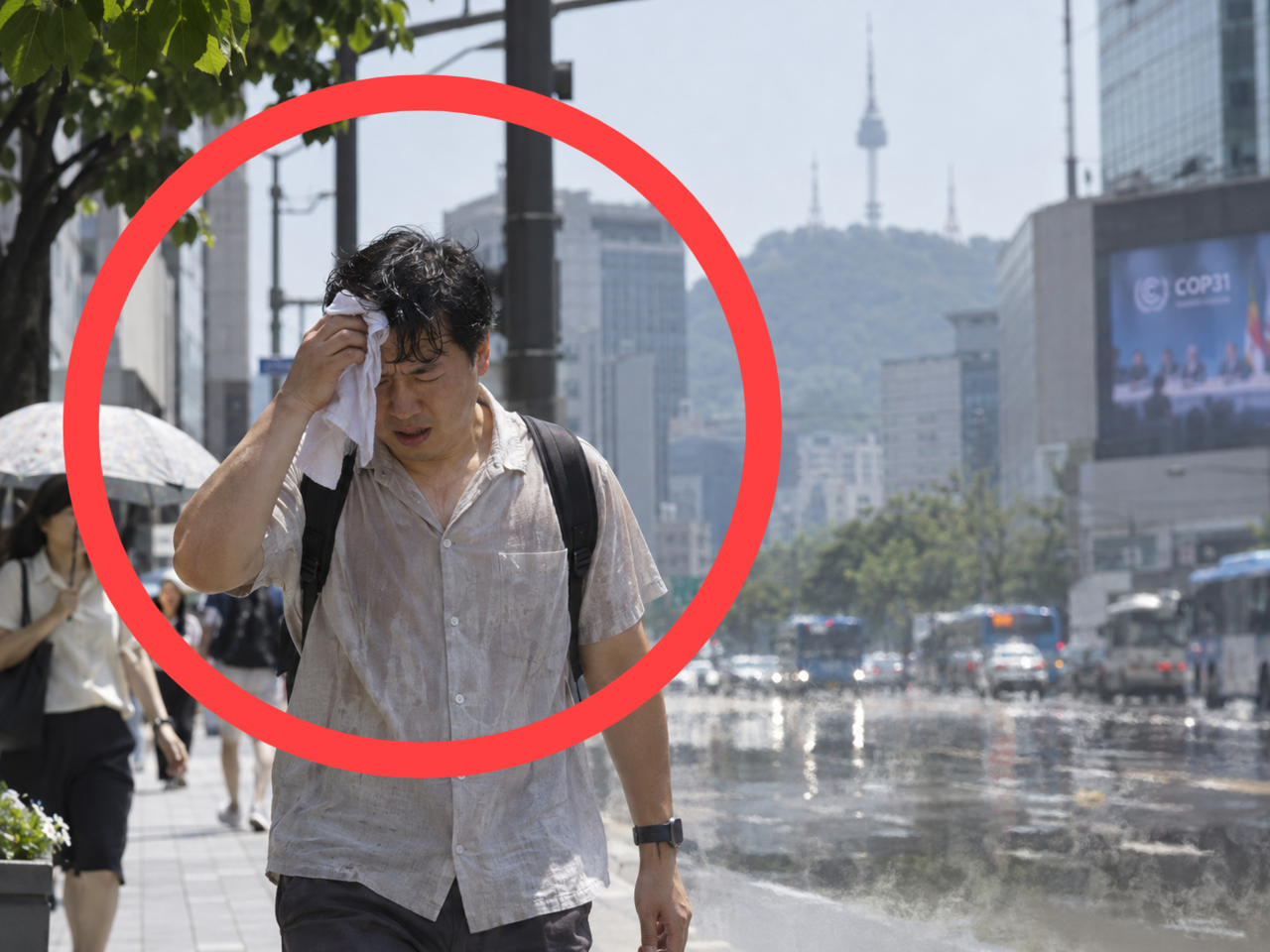
"We barely made it through this summer … "
Imagine nearly two months of scorching heat each year. Daytime temperatures push past 40 degrees Celsius, and even after sunset the air refuses to cool.
Tropical nights — when temperatures stay above 25 degrees Celsius — stretch beyond 60 days a year. As horrifying as it sounds, this is a future Korea may actually face.
What makes it worse is that this is not the worst-case scenario — it is the best case. It assumes every country on Earth follows through on every greenhouse gas reduction pledge made so far.
The world needs to be doing far more, not less. Yet delegates from around the globe who gathered recently to address climate change left empty-handed, unable to reach a single key agreement.
That is why warnings are growing ever more desperate: "Every year that action is delayed, lives are lost."
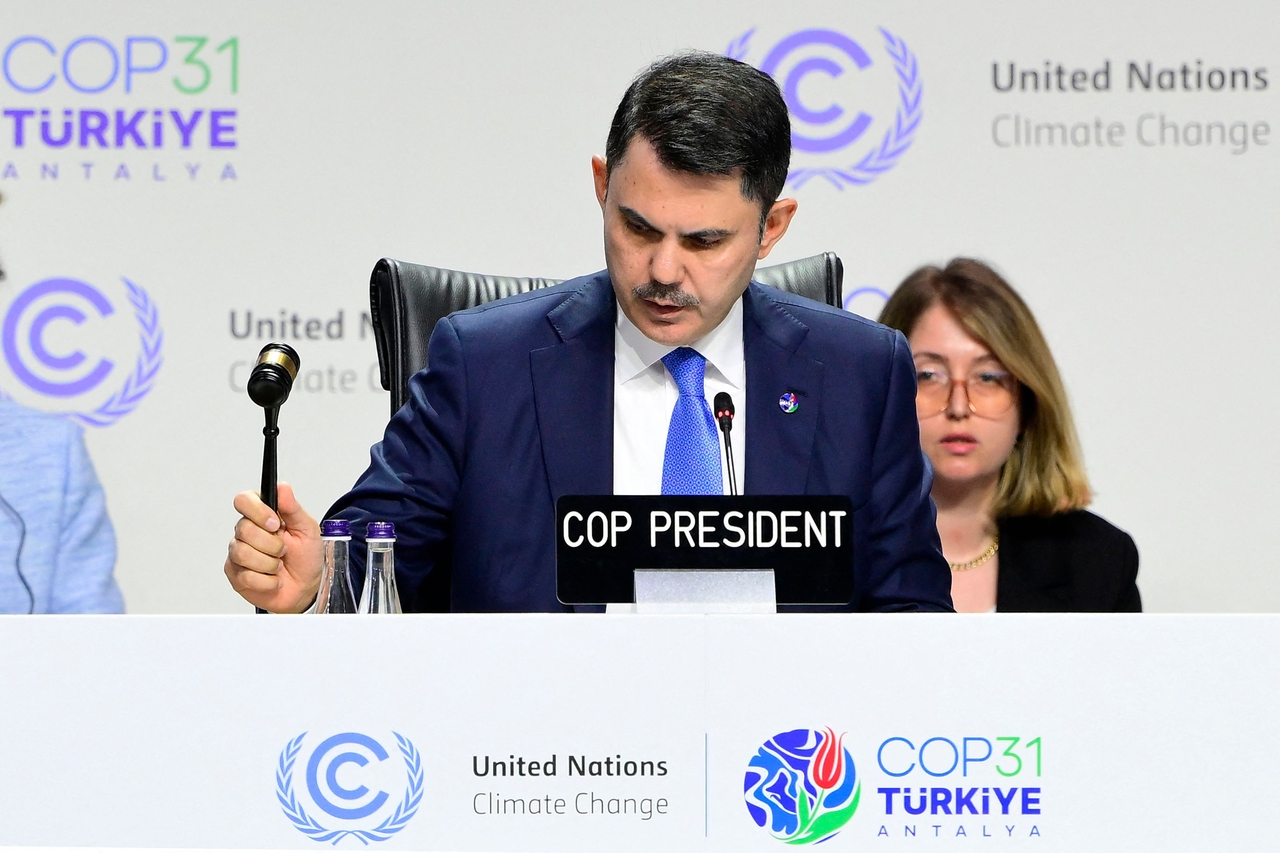
The 31st Conference of the Parties to the UN Framework Convention on Climate Change (COP31) closed Sunday (local time) in Antalya, Turkey, according to the climate and environmental research community. The annual gathering is the UN's largest climate forum, bringing together representatives from countries around the world to discuss responses to climate change.
Delegates at this year's conference negotiated greenhouse gas reductions and climate adaptation measures, but disagreements persisted over cutting the use of fossil fuels — coal, oil and natural gas — and over financing climate action in developing countries.
The conference, originally scheduled to close Friday, was extended by two days. Even so, countries ultimately failed to reach a consensus, and the adoption of a landmark agreement that had been the centerpiece of COP31's expected outcomes fell through.
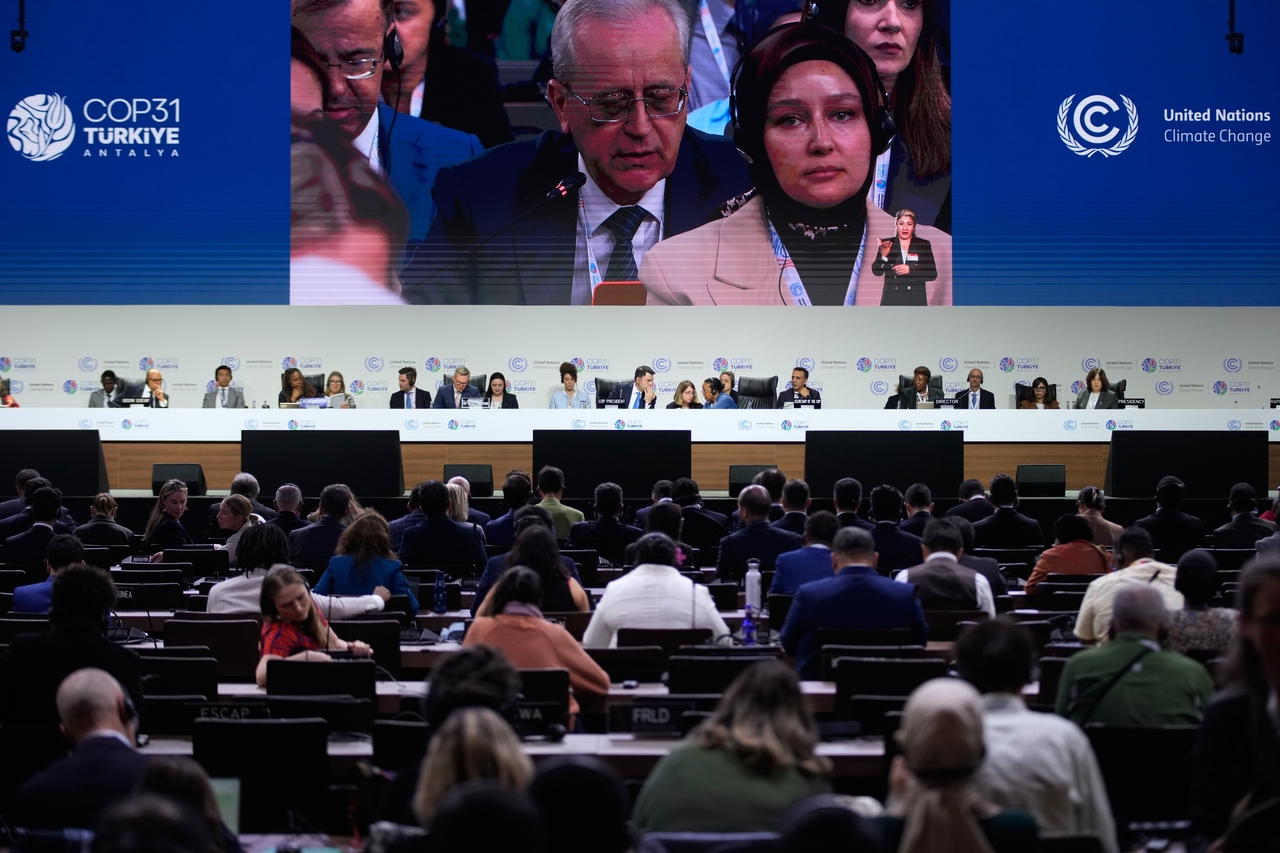
The conference was not entirely without results. Delegates reached agreement on some issues — including how to prepare for the impacts of extreme heat and flooding already underway, and how to support workers in coal and oil industries facing job losses during the energy transition.
The critical question left unanswered, however, was how much further and how quickly countries must cut greenhouse gas emissions. A forum where nations had jointly discussed emissions reduction methods and the investment required to achieve them was not extended, leaving the future of that dialogue uncertain.
Curiously, the draft agreement that ultimately went unadopted contained a somewhat surprising assessment: that the Paris Agreement is working.
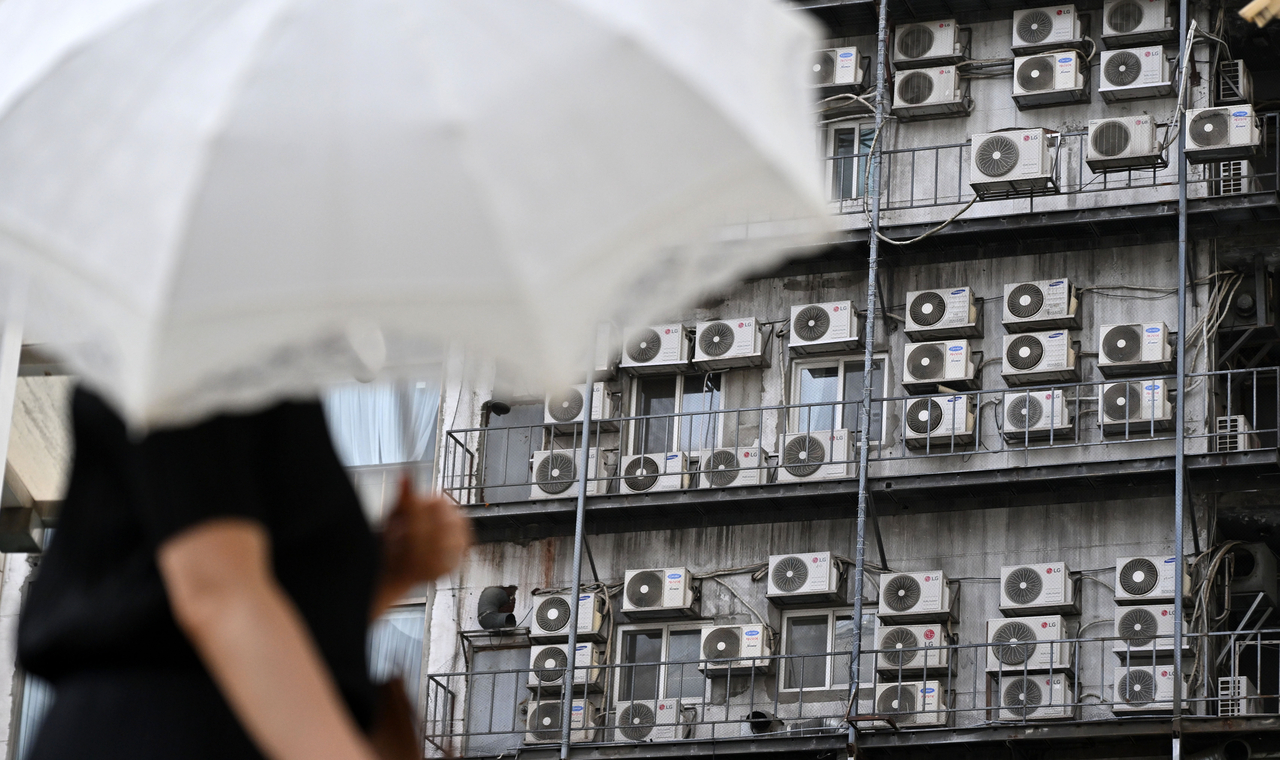
The figure cited as evidence was 2.6 degrees Celsius. Before the Paris Agreement, projections suggested global temperatures could rise by more than 4 degrees. Now, the draft argued, full implementation of all current national pledges could hold the increase to 2.6 degrees — a sign, it claimed, of meaningful progress.
But the Paris Agreement's own target is 1.5 degrees. In 2015, nations pledged to keep global warming well below 2 degrees and to pursue efforts to limit it to 1.5 degrees. A rise of 2.6 degrees would far exceed that goal.
Moreover, 2.6 degrees is a figure derived from the assumption that every country fulfills every pledge it has made and then sustains comparable efforts beyond that. It is, in effect, the best-case scenario.
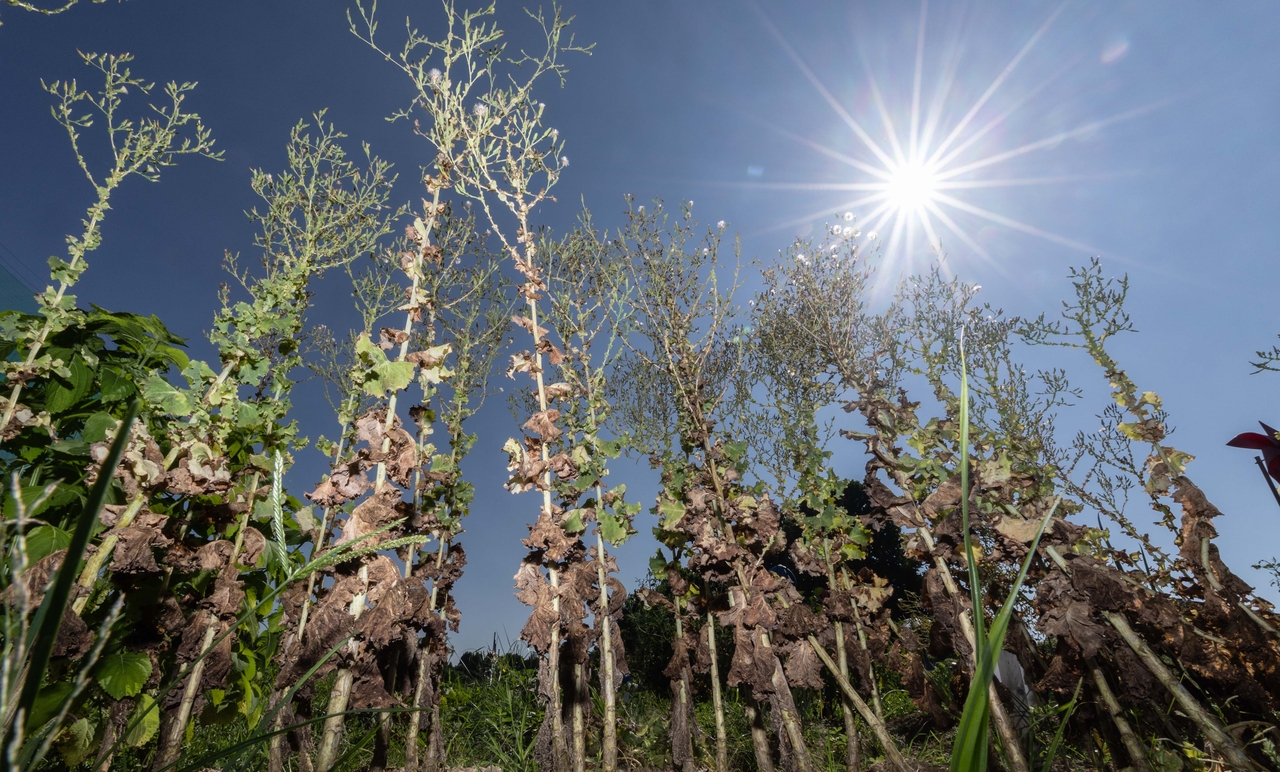
Even that best case has worsened over the past year. Last year's report projected that full implementation of nationally determined contributions (NDCs) would limit warming to between 2.3 and 2.5 degrees. The upward revision reflects developments including the United States' withdrawal from the Paris Agreement.
What would a world 2.6 degrees warmer mean for Korea? The answer lies in the Intergovernmental Panel on Climate Change's intermediate scenario, SSP2-4.5 — a future in which the global average temperature rises by about 2.7 degrees by the late 21st century.
The most immediate change would be extreme heat. According to the Korea Meteorological Administration's regional climate change outlook report, Seoul would average 59.2 extreme heat days per year in the late 21st century under that scenario — roughly four times the 15.0-day average recorded between 2000 and 2019.
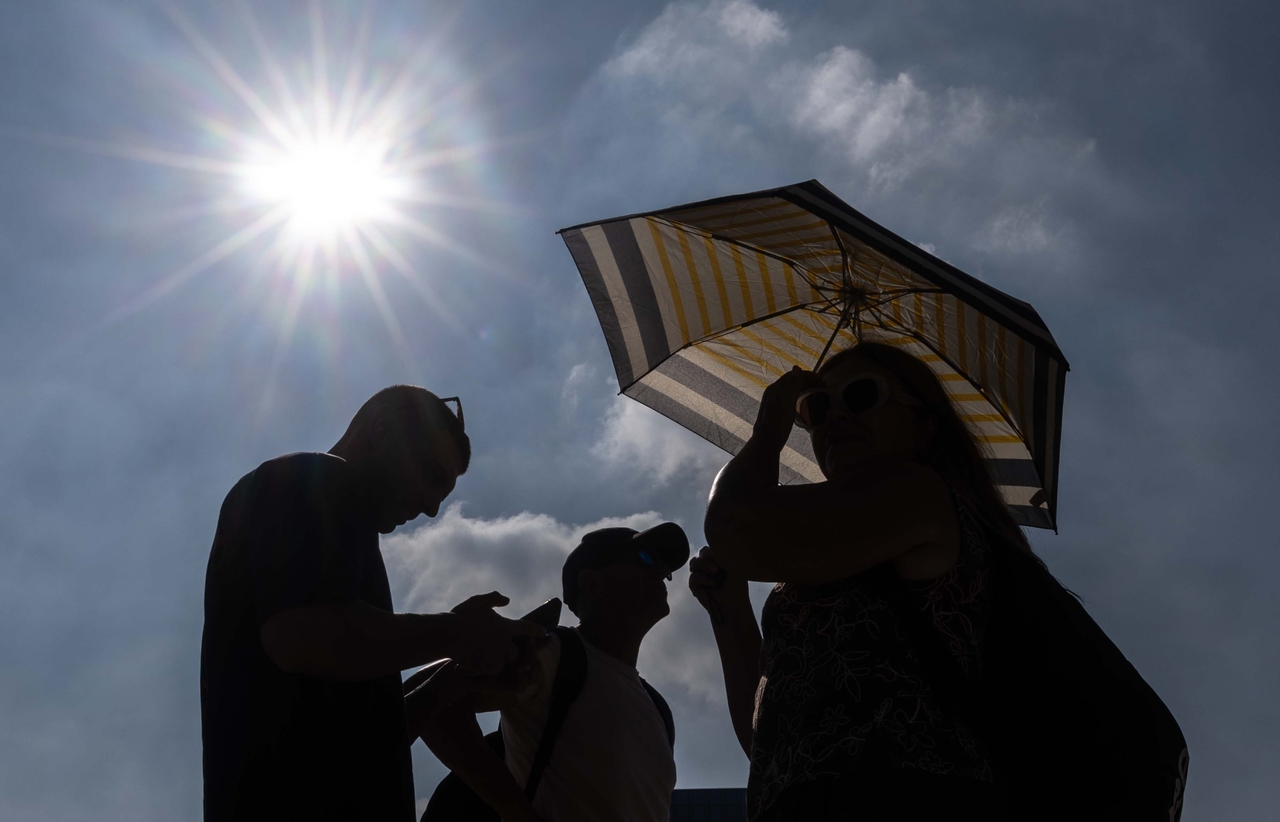
An extreme heat day is defined as one on which the maximum temperature reaches at least 33 degrees Celsius. What is now roughly two weeks of sweltering heat each year could stretch to nearly two months.
The intensity of the heat would also increase. Under the same scenario, the KMA's climate change map projects Seoul's hottest day of the year would climb from 35.9 degrees to 40.3 degrees Celsius. Other cities face even more severe conditions. Daegu, which already endures some of Korea's harshest summers, would see its annual average of extreme heat days surge from 32.4 to 75.5.
The heat would not let up at night, either. The KMA projects Seoul would average 60.4 tropical nights per year in the late 21st century under the same scenario — more than five times the 11.3-day average between 2000 and 2019. Daegu's tropical nights are projected to rise from 12.7 days to 58.9, while Busan's would climb from 13.5 to 60.8.
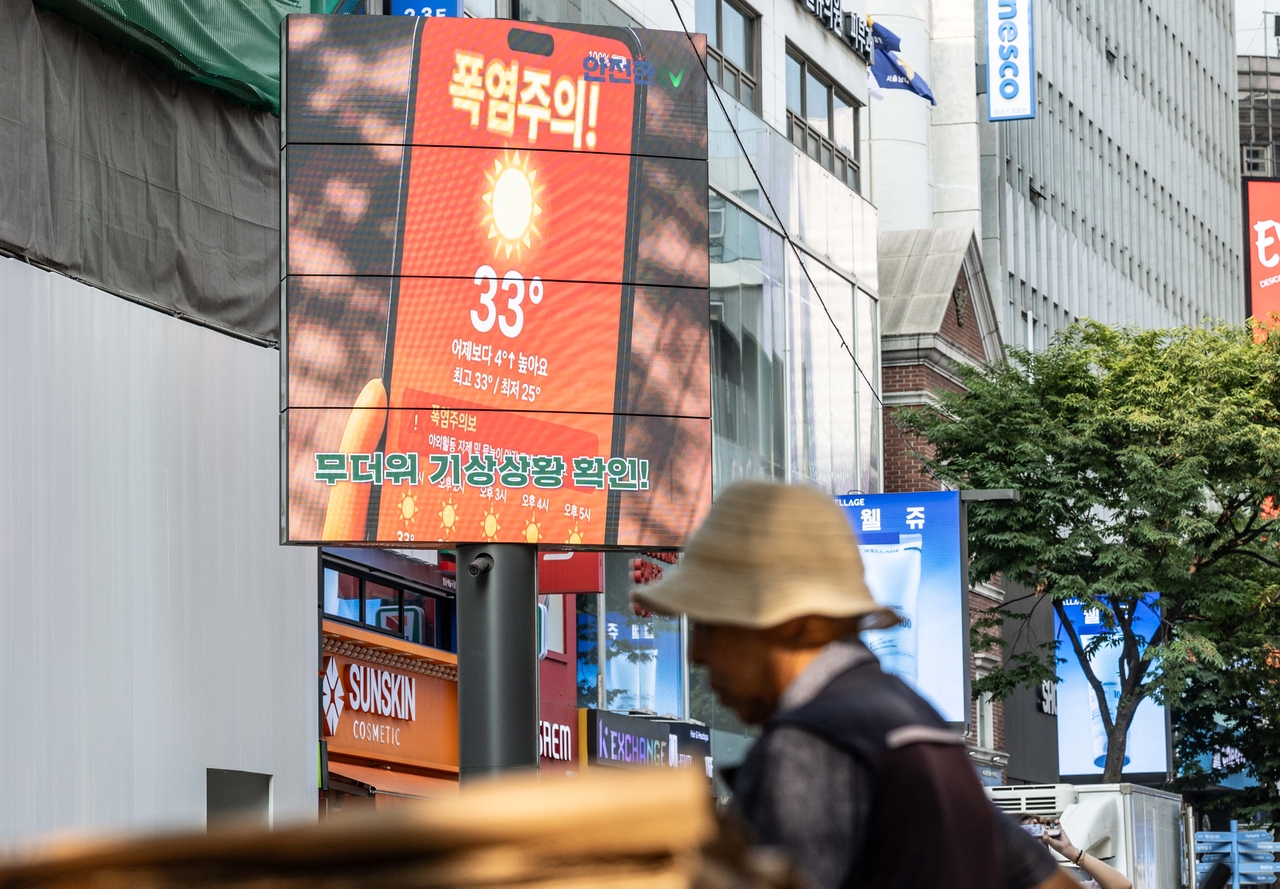
These changes are more than an inconvenience — extreme heat kills. Older adults, people with chronic illnesses and outdoor workers face sharply elevated risks of heat-related illness when exposed to intense heat.
Korea is already seeing casualties. According to the Korea Disease Control and Prevention Agency (KDCA), 4,066 heat-related illness cases were reported between May 15 and Sept. 30 this year, and 36 of those patients are believed to have died from their condition.
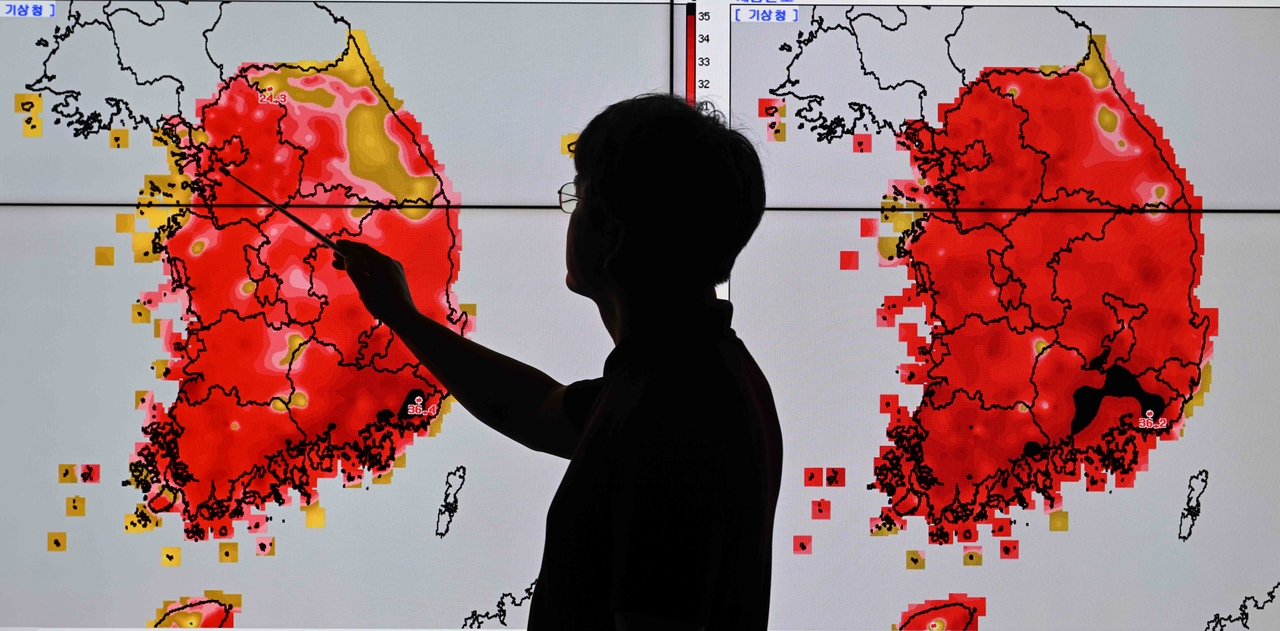
The global picture is grimmer still. A joint research team including scientists from Imperial College London found that more than 50,000 people died from heat in European cities alone this summer, and analysis suggested two in three of those deaths could have been prevented had climate change not occurred.
Yet international efforts to cut emissions remain far short of what is needed. According to the UN Environment Programme (UNEP), limiting warming to a peak of 1.7 to 1.8 degrees Celsius by mid-century before bringing it back down to 1.5 degrees by 2100 would require global greenhouse gas emissions in 2035 to be about 45 percent lower than 2025 levels.
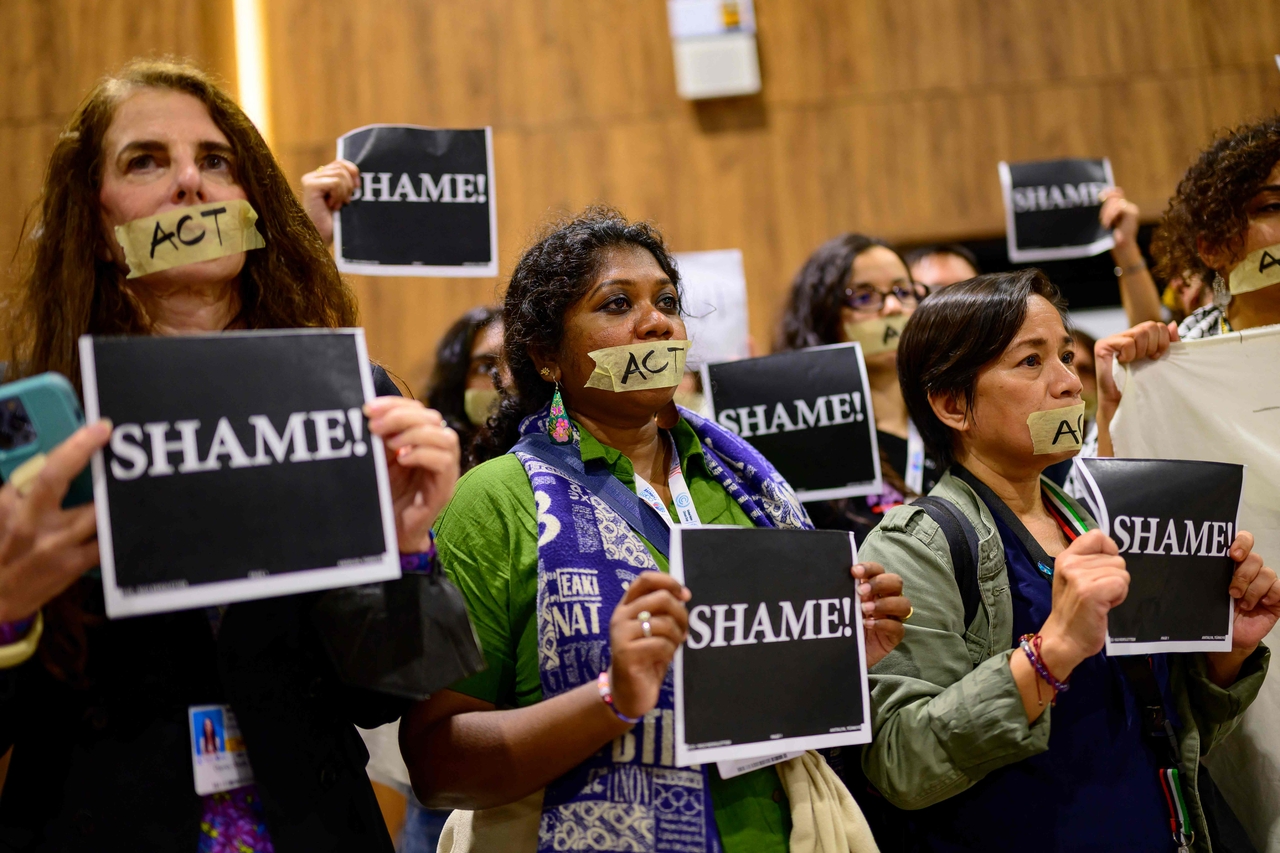
But even full implementation of all submitted NDCs would achieve only an 11 to 15 percent reduction — nowhere near enough. UN Secretary-General António Guterres, in a video message released alongside the UNEP report, said the emissions gap "is now a leadership gap."
UNEP also warned that maintaining current policies without further action could push warming to 2.8 degrees Celsius. Environmental groups at home and abroad responded with sharp criticism, saying the conference failed to secure adequate funding or concrete plans to protect communities already suffering from climate change.
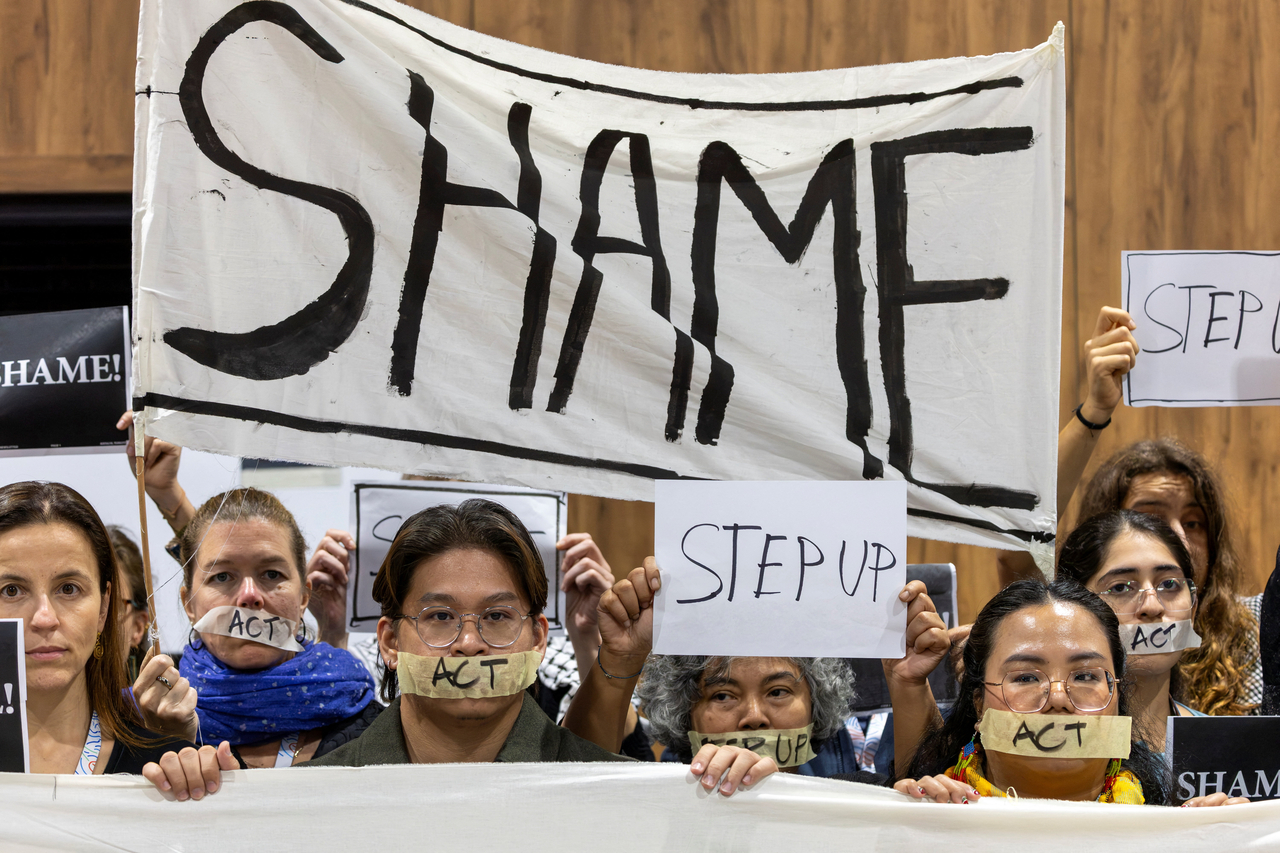
Pooja Dave, climate adaptation lead at Climate Action Network International (CAN), said in a closing statement that "COP31 has failed the expectations of people who urgently need climate adaptation support," adding that "families facing floods, droughts and deadly heat waves cannot hide behind technical reports." Dave said "every year of delayed action costs lives."
Jeong Se-hee, head of the diplomacy team at Solutions for Our Climate, said it was "clearly a disappointing outcome" that the world's largest climate conference had failed to adopt a new agreement in the very year UNEP warned that limiting warming to 1.5 degrees Celsius was no longer avoidable.

woo@heraldcorp.com