Every meal tells an economic story. "Money on the Table" traces the forces behind the food we eat every day — from prices and corporate earnings to shifts in global markets.
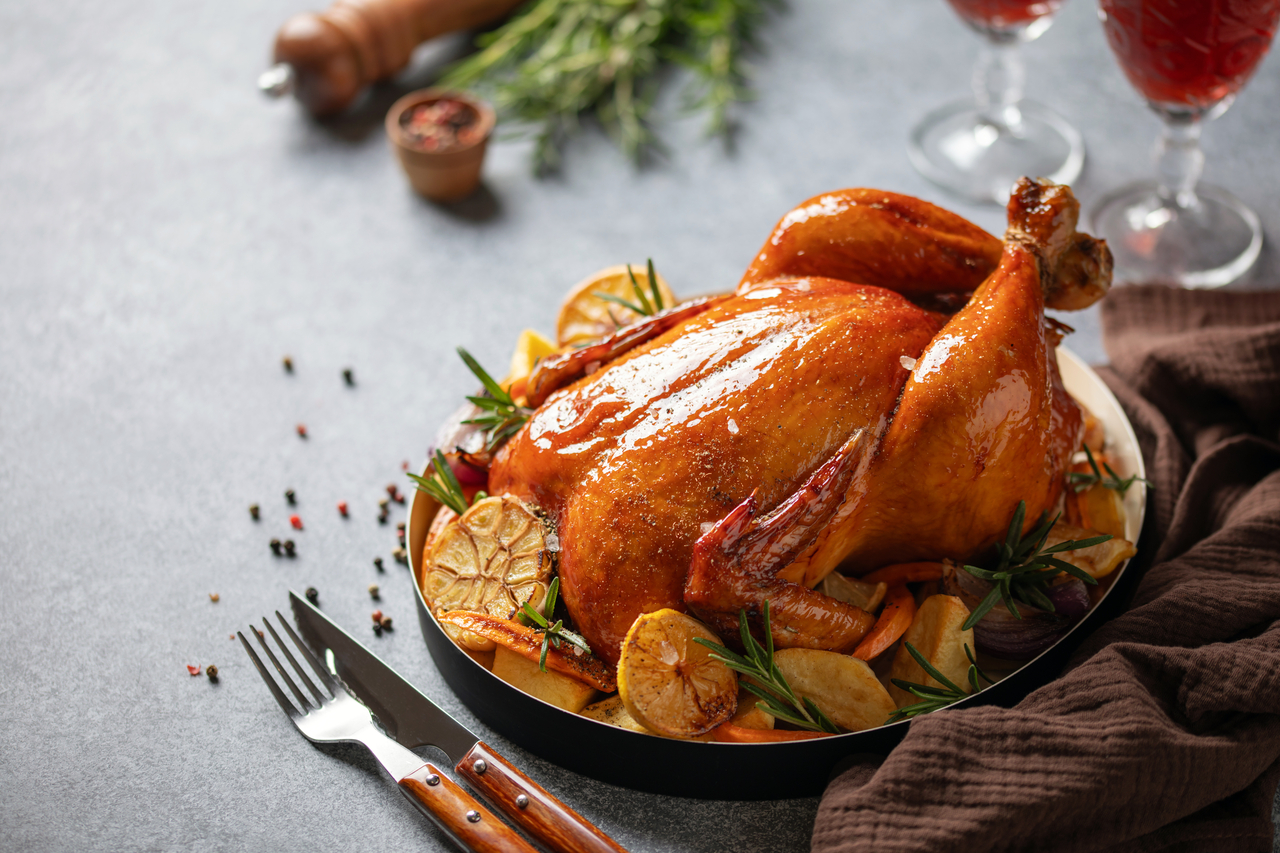
With Thanksgiving falling on Thursday, a family of 10 preparing a traditional holiday meal can expect to spend an average of about $58.63 on ingredients this year. Turkey — the centerpiece of the feast and the largest single expense — has driven much of the increase, as lower output and tighter inventories pushed prices higher.
According to the American Farm Bureau Federation (AFBF), the average cost of a Thanksgiving dinner for 10 rose 6.3 percent from last year to $58.63. The figure is based on a survey of grocery store prices for turkey, bread, sweet potatoes, milk, pumpkin pie and other traditional holiday ingredients across all 50 states and Puerto Rico.
Thanksgiving food costs surged to $64.05 in 2022 as supply chain disruptions and inflation collided in the wake of the COVID-19 pandemic. Prices then fell for three consecutive years, dropping to $55.18 last year, before reversing course this year.
The biggest driver is turkey itself. The average price of a frozen whole turkey weighing about 7.3 kilograms rose 10.1 percent, from $21.50 last year to $23.68 this year. Because turkey accounts for roughly 40 percent of the total holiday meal cost, its price swings have an outsized effect on household spending.
The overall cost of a holiday meal rose $3.45 from last year, and 63 percent of that increase came from the higher turkey price alone. The cost of all other ingredients combined edged up just 3.8 percent, from $33.68 to $34.95.
Production is up, but inventories are down — what is happening in the turkey market
Behind the price increase is a years-long disruption to the US poultry industry. The spread of highly pathogenic avian influenza and avian metapneumovirus has reduced flock sizes, cutting annual US turkey meat production from about 2.48 million metric tons in 2023 to roughly 2.2 million metric tons last year.
Production has begun to recover this year. In its livestock market outlook report released Tuesday, the USDA projected 2026 turkey meat output at about 2.35 million metric tons, up 7 percent from last year. Even so, that figure still falls short of the pre-outbreak level recorded in 2023.
At the same time, rising domestic consumption and stronger exports have drawn down available stocks. AFBF data show frozen turkey inventories at the end of September stood at about 163,000 metric tons — down 4.5 percent from the same period last year and roughly 16 percent below the level two years ago.
With supply struggling to keep pace with demand, wholesale prices have remained elevated. The USDA projected the annual average wholesale price of frozen whole hen turkeys at $1.77 per pound this year, roughly 30 percent above last year's $1.36.
Higher wholesale prices, deeper discounts — hypermarkets use turkey to win customers
Turkey is also a key battleground for US grocery retailers competing for shoppers ahead of Thanksgiving. Because consumers who buy a turkey typically fill their carts with bread, vegetables, dairy, desserts and other holiday staples at the same time, retailers use turkey pricing as a traffic driver.
Last year, fresh turkey wholesale prices rose from the prior year, yet the average retail price of frozen Thanksgiving turkeys fell 16.3 percent. AFBF attributed the drop to aggressive holiday promotions by retailers, noting that the decline in turkey prices was a major factor in the overall 5 percent decrease in holiday meal costs that year.
Discount competition is continuing this year. In AFBF's price survey conducted during the first week of this month, the average retail price of frozen turkey was $1.48 per pound, but some stores were selling it for as little as $0.69 — less than half the average. A separate USDA survey found that promotional prices for frozen whole turkeys in the second week of November fell from the week before.
Other ingredients have seen prices rise due to higher processing and distribution costs. Milk prices climbed 8.6 percent this year, dinner rolls 7 percent and cranberries 8.8 percent. AFBF said higher fuel costs for harvesting and transportation, along with increased food processing and packaging expenses, have fed through to retail prices.
The USDA projected US turkey meat production will grow about 1.2 percent next year. The annual average wholesale price of frozen whole hen turkeys is forecast to fall roughly 15 percent from this year's projected level to $1.50 per pound.
rainbow@heraldcorp.com