Goldman's panic index hits 9.8 out of 10
Short selling at highest level in over four years; hedge fund selling largely done
Fed rate hike fears, AI profitability concerns leave room for further declines
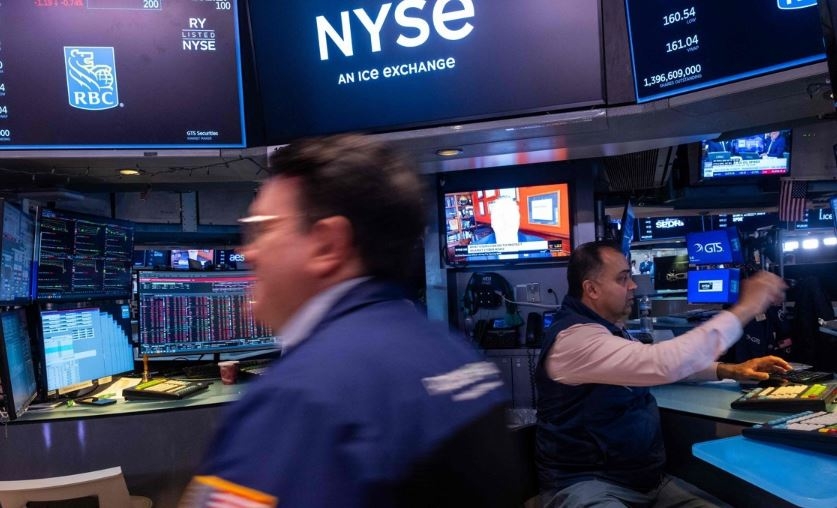
Goldman Sachs said a buying opportunity is emerging in US equities as investor fear reaches extreme levels, even as the market's sharp sell-off — led by AI-related stocks — raises questions about whether the downturn has fully run its course. The Wall Street investment bank said hedge fund de-risking has advanced significantly, raising the prospect of a short-term rebound. However, it cautioned that lingering uncertainty over potential Federal Reserve rate hikes and the profitability of AI investment means it is too early to call a bottom.
According to Bloomberg, Goldman Sachs' trading desk told clients in a note Monday (local time) that last week's steep market decline has created an attractive opportunity to buy stocks at lower prices.
The bank pointed to the significant progress hedge funds have already made in unwinding their equity positions. Because so many investors have already reduced exposure or sold holdings to hedge against further declines, Goldman said selling pressure is likely to ease gradually. "Hedge fund de-grossing has been substantial, and the market is getting closer to a short-term entry point," the trading desk said.
Fear in the market has reached extreme levels. Goldman's proprietary panic index soared to 9.8 out of 10 on Friday, signaling that investor anxiety is approaching its highest possible reading.
Short selling in individual US stocks also hit its highest weekly level since June 2022, reflecting a surge in bearish bets and a broad spread of pessimism across the market.
Goldman argued that the concentration of selling and the sharp deterioration in investor sentiment could itself become the catalyst for a short-term rebound. If most investors who wanted to sell have already done so, downward pressure on share prices should ease — barring fresh negative catalysts.
Still, Goldman said risks remain too significant to be confident a sustained recovery is at hand. The Federal Reserve may raise its benchmark interest rate again in December in response to inflationary pressures, and doubts are growing over whether the enormous sums poured into AI will translate into actual corporate earnings.
Goldman particularly noted that current market conditions resemble those of the fourth quarter of 2018, when the Fed's tightening stance combined with investor risk aversion pushed US stocks to the brink of a bear market.
The bank also flagged the absence of broad-based capitulation as a key variable. "We have not yet seen the kind of widespread investor capitulation that has historically preceded the strongest rebounds," Goldman traders said. While fear has spiked to extreme levels, the market has not fully entered a panic-selling phase in which investors indiscriminately dump holdings — meaning the risk of further declines cannot be ruled out even as a short-term buying opportunity takes shape.
sjy@heraldcorp.com