In Japan, buying shares can mean receiving snacks, rice or ramyun at your door. The practice stems from a system known as "shareholder perks," in which listed companies send shareholders their own products, gift vouchers or service passes — entirely separate from dividends. It is a distinctly Japanese form of shareholder return that delivers tangible benefits rather than cash.
The system traces its roots to the railway industry in the 1890s. The earliest documented case is Tobu Railway, which gave investors holding 300 or more shares a free pass valid on all its lines.
The practice spread to other industries during Japan's postwar economic boom, then accelerated after the collapse of the bubble economy left stock markets in a prolonged slump. Companies began offering their own products, gift certificates and discount coupons to attract retail investors and prop up their share prices.
Shareholder perks have since become a defining feature of Japan's stock market. According to the Nikkei, 1,649 listed Japanese companies operated shareholder-perk programs as of March 2026 — a record high. That amounts to roughly four in 10 listed companies in Japan.
From stuffed animals to toilet paper: the wide world of Japanese shareholder perks
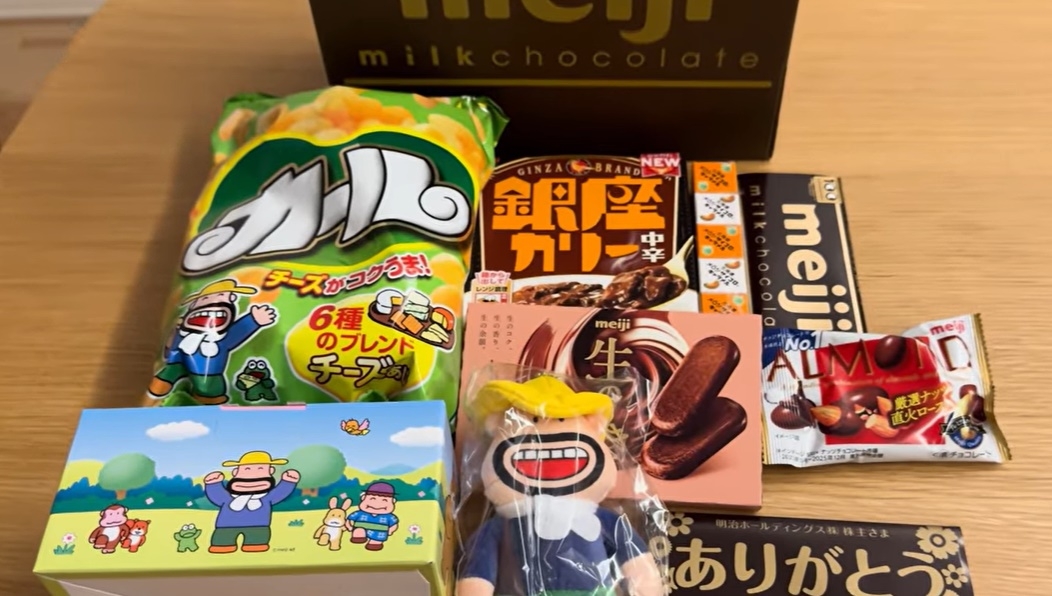
The perks are as varied as the industries offering them. Food companies send shareholders their own products: Meiji Holdings distributed a Halloween-themed set of snacks and curry products worth 1,500 yen ($9) to shareholders holding at least 100 shares this year.
Tobu Railway provides shareholders holding between 200 and 400 shares with two one-way tickets on any of its lines every six months. Oriental Land, which operates Tokyo Disney Resort, gives out one-day admission passes to Disneyland and DisneySea, making it a favorite among theme-park fans.
Coffee chain Komeda Holdings offers a prepaid card worth 1,000 yen usable at its stores twice a year, while Japan Pulp and Paper hands out toilet paper. More unusual examples include discount vouchers for cemetery-related services from graveyard developer Nichiryoku.
The aviation sector is no exception. ANA Holdings and Japan Airlines (JAL) each provide shareholders with domestic-flight discount coupons — roughly 50 percent off — twice a year. The coupons are especially valuable when used during peak travel periods or for last-minute bookings, when standard fares spike.
Unboxing season: Japan's retail investors go wild for shareholder deliveries
Claiming the perks is straightforward: shareholders simply need to be on the company's register on the designated record date. Because most listed Japanese companies close their books in March, record dates tend to cluster at the end of March and the end of September. The minimum holding threshold varies by company, but many use 100 shares — the standard trading unit on the Tokyo Stock Exchange — as their baseline.
The popularity of shareholder perks has spawned an entire publishing niche: an annual "shareholder perks handbook" compiling the benefits offered by listed companies each year. Dedicated websites cataloguing perk information by company are also widely used online.
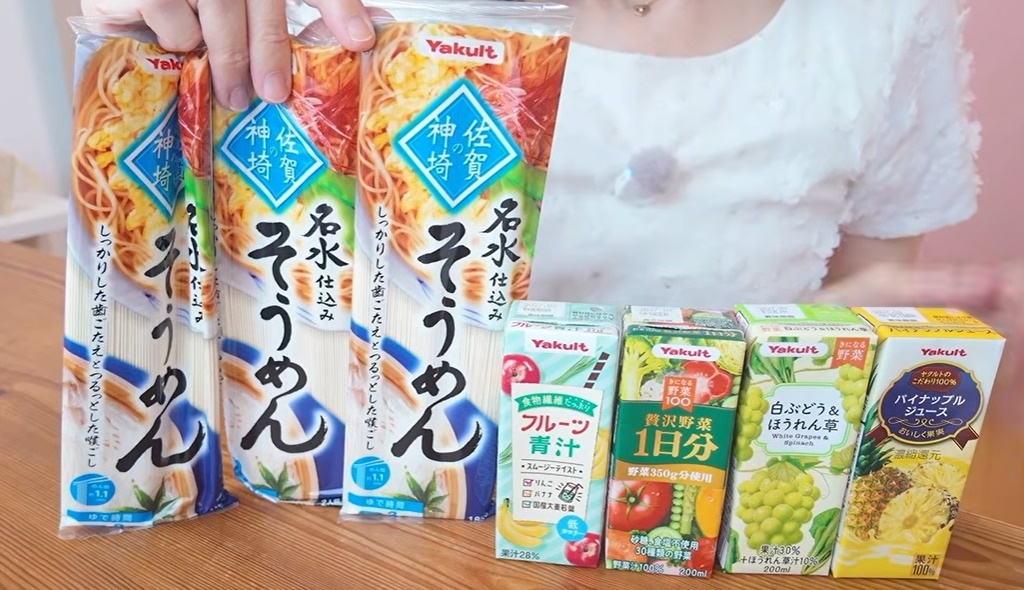
On social media platforms such as YouTube and Instagram, retail investors post content under keywords like "shareholder perks unboxing" and "shareholder perks lifestyle." Videos showing investors tearing open multiple delivery boxes at once — all arriving during earnings season — have become a popular genre.
One Japanese blogger who holds shares in Meiji Holdings said the approach was deliberate. "I hold shares in companies that produce products with lasting demand and generate stable profits," the blogger said. "I aim to grow my assets over the long term while enjoying dividends and shareholder perks."
South Korea catches the perk bug — even one Ottogi share gets you a discount
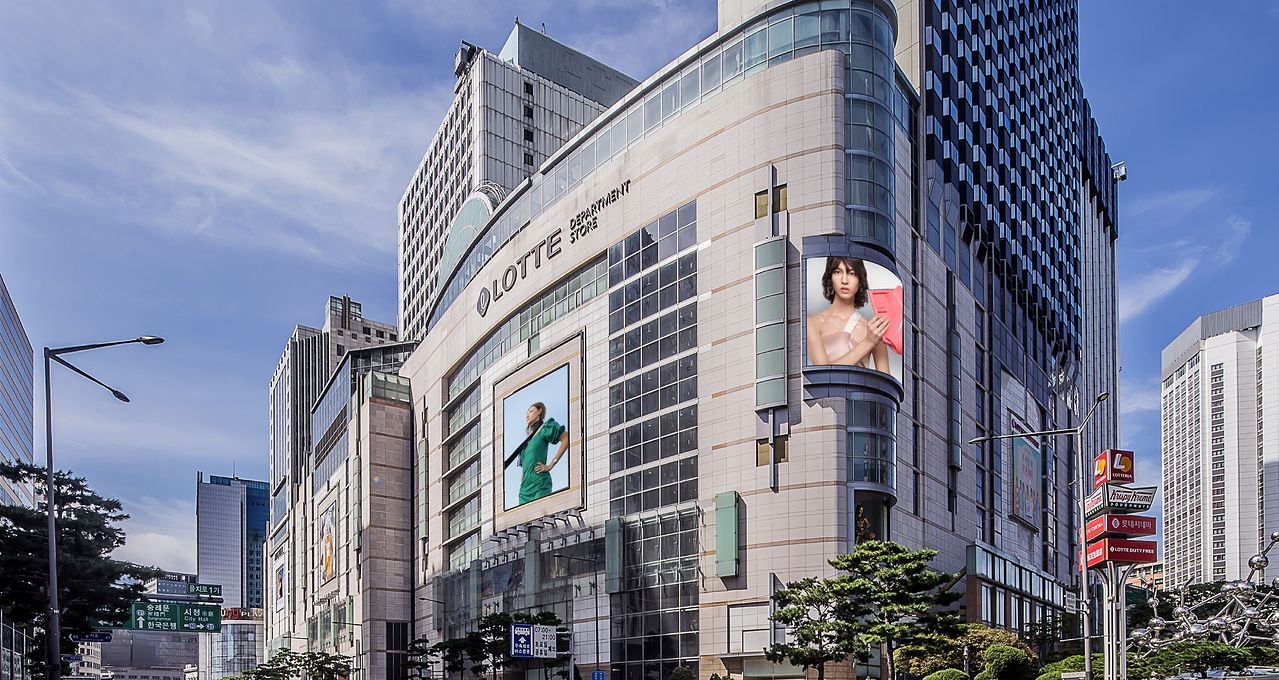
The trend is spreading to South Korea. While the domestic market has yet to match Japan's scale, a growing number of Korean companies have recently begun offering perks to shareholders holding as little as a single share.
Ottogi gives individual shareholders holding at least one share a 20 percent discount coupon for its official online store. Shareholders of THE Nature can purchase products from the clothing brand National Geographic at up to 20 percent off. d'Alba Global, a popular cosmetics company known for its "cabin crew mist," opened a shareholders-only online store in August.
Leisure and large retail companies are also expanding their offerings. Mona Yongpyong, a resort operator in Pyeongchang, Gangwon Province, offers shareholders personal discounts of up to 50 percent on its water park and ski lifts once a month, 40 percent off cable cars, swimming pools, fitness facilities and saunas, as well as access to shareholder-exclusive room rates.
Lotte Shopping became the first major Korean retailer to launch a formal shareholder-perk program when it introduced the "L.HONORS CLUB" on Nov. 1. Shareholders holding even a single share receive 10 to 20 percent discount coupons upon first enrollment, and earn up to 3 percent in points based on their purchase history.
bbo@heraldcorp.com