Identity unknown, numbers undisclosed — VIPs shrouded in secrecy
The backbone keeping department stores resilient even in downturns
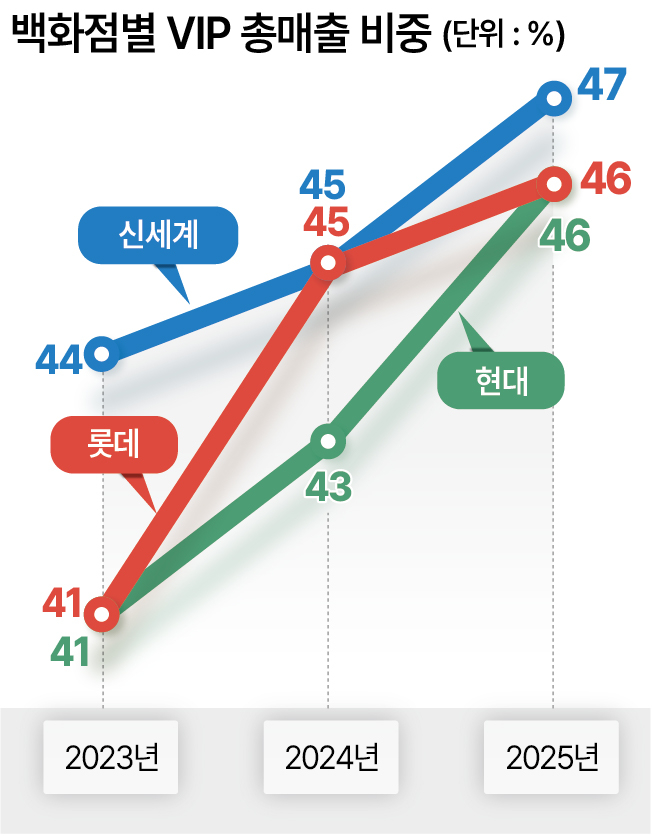
VIPs account for 46–47% of annual sales at the top three chains
Competition for the highest tier demands annual spending in the mid-300 million won range
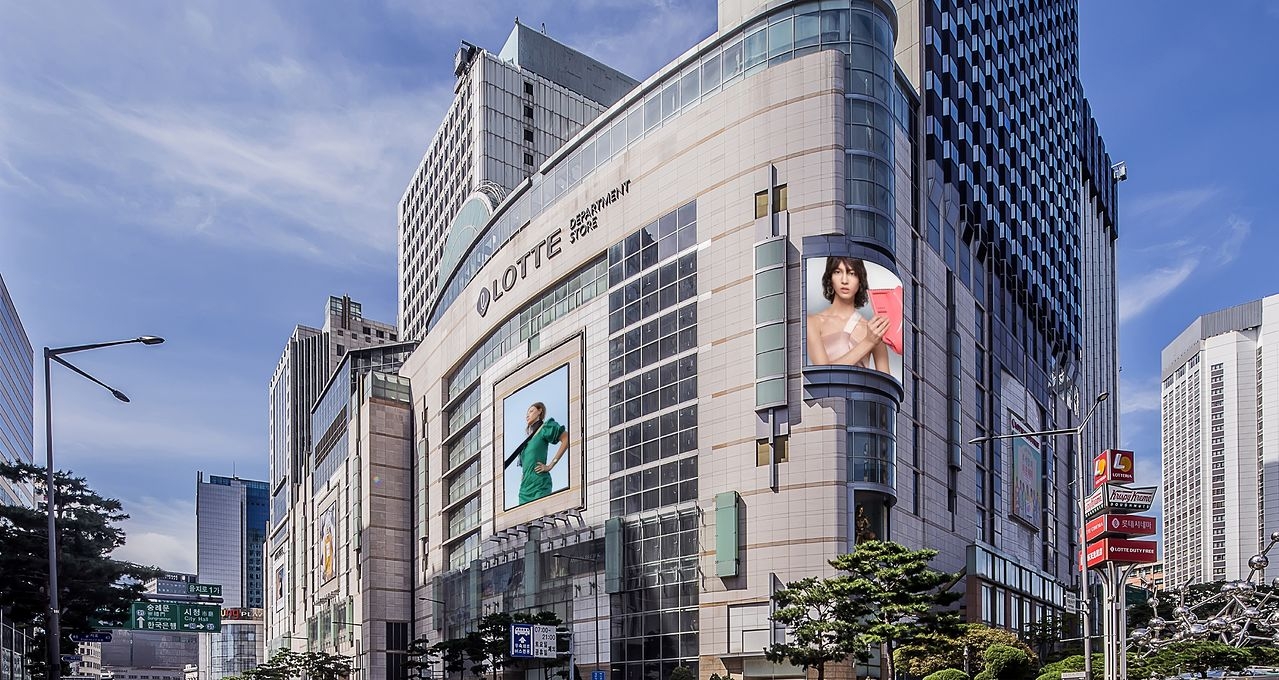
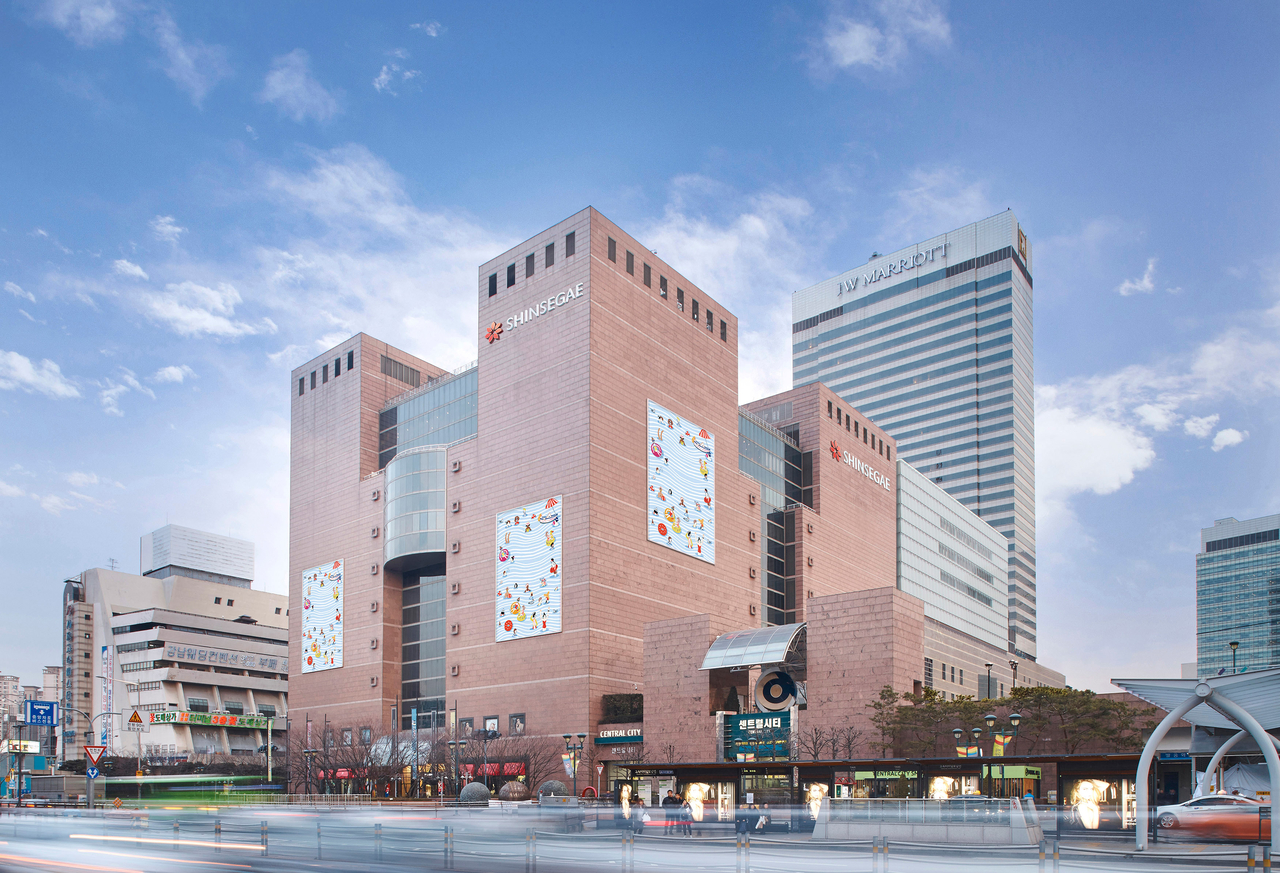
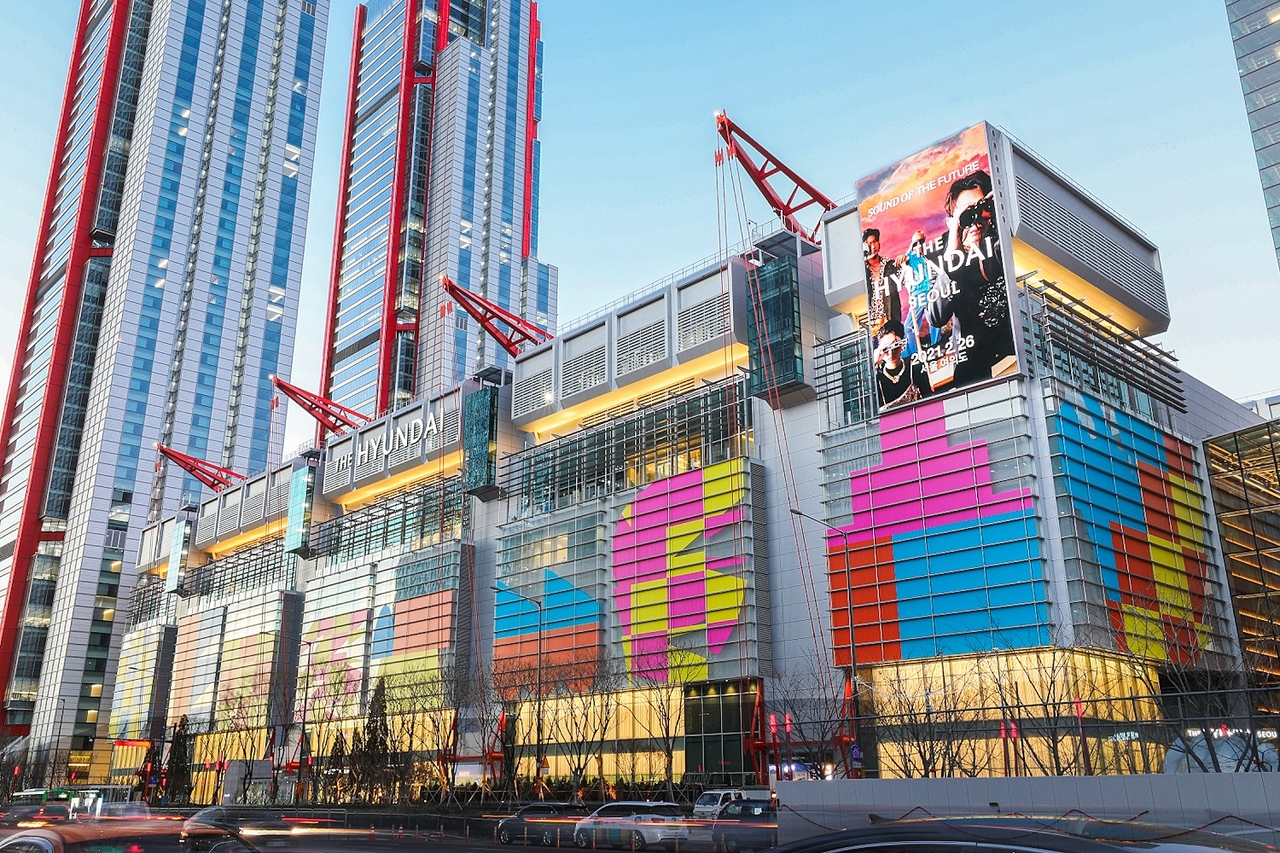
South Korea's department stores are on a record-breaking run. After posting all-time high earnings in their third-quarter results, the industry is poised to set new records again as the year draws to a close. Shinsegae Department Store's Gangnam branch and Lotte Department Store's Jamsil branch — fierce rivals for the title of the country's top-grossing store — are both projected to hit 4 trillion won ($3.01 billion) in total annual sales this year, a milestone that would put them in the same league as global retail icons such as London's Harrods and Tokyo's Isetan.
Foreign tourists have been widely credited as the driving force behind this unprecedented boom. With inbound visitor numbers surpassing 20 million for the first time this year, the industry's long-awaited goal of 1 trillion won in annual sales from foreign customers has finally arrived. Lotte Department Store fired the first celebratory shot in October, and both Shinsegae and Hyundai Department Store are widely expected to follow before year's end.
Yet there is another group of protagonists who rarely step into the spotlight. Their existence is known, but details — who they are, where they come from, how many there are — are kept strictly confidential. Even at the same store, they are hard to encounter, and harder still to identify. These are the VIPs who quietly underpin the entire department store industry.
From 'discriminatory' to desirable: the rise of the VIP tier
Public interest in department store VIP programs surged in South Korea in the late 1990s. As the country sank into recession following the IMF financial crisis, big spenders stood out more than ever. Major department stores began rolling out dedicated lounges at individual branches, competing aggressively to court their top customers, and the media took notice. Exclusive services emerged — birthday and anniversary greetings, home delivery of purchases, even skincare treatments. Shinsegae Department Store went so far as to launch a dedicated magazine, "First Lady," in 2001, targeting its most valuable VIP segment: women in their 40s who accounted for a large share of sales. The lavish gifts reserved for VIPs at major events drew criticism at the time, with some accusing the stores of promoting discrimination and conspicuous consumption.
The perception has shifted considerably since then. As VIP programs spread beyond retail into finance, beauty and other business-to-consumer sectors, the sense of exclusion has faded. Luxury consumption has become more mainstream, and the aspiration to attain status symbols has drawn more shoppers into deliberately chasing VIP status. Online communities are filled with posts such as "I'm buying jewelry anyway — might as well try to hit VIP" and "I'm a little short on my spending target; what else should I buy?" A worker in their 30s living in Seongdong-gu, Seoul, said they picked one department store and concentrated all their wedding purchases there last year specifically to qualify for VIP status.
VIPs now account for a growing share of total department store sales. According to Lotte Department Store, VIPs' share of total sales rose from 41 percent in 2023 to 46 percent last year. Shinsegae saw the figure climb from 44 percent to 47 percent over the same period, while Hyundai Department Store recorded an increase from 41 percent to 46 percent. With the three chains posting total annual sales of between 9 trillion and 14 trillion won last year, a simple calculation suggests that between 4 trillion and 6 trillion won passed through the wallets of a relatively small VIP clientele — a share that far exceeds the roughly 20 to 30 percent attributed to foreign shoppers.
"VIPs who don't cut back on spending even during downturns are the backbone of the department store industry," one industry official said. "A solid VIP customer base is the core secret to keeping the business stable."
300 million won and still not enough: the ultra-elite top tier
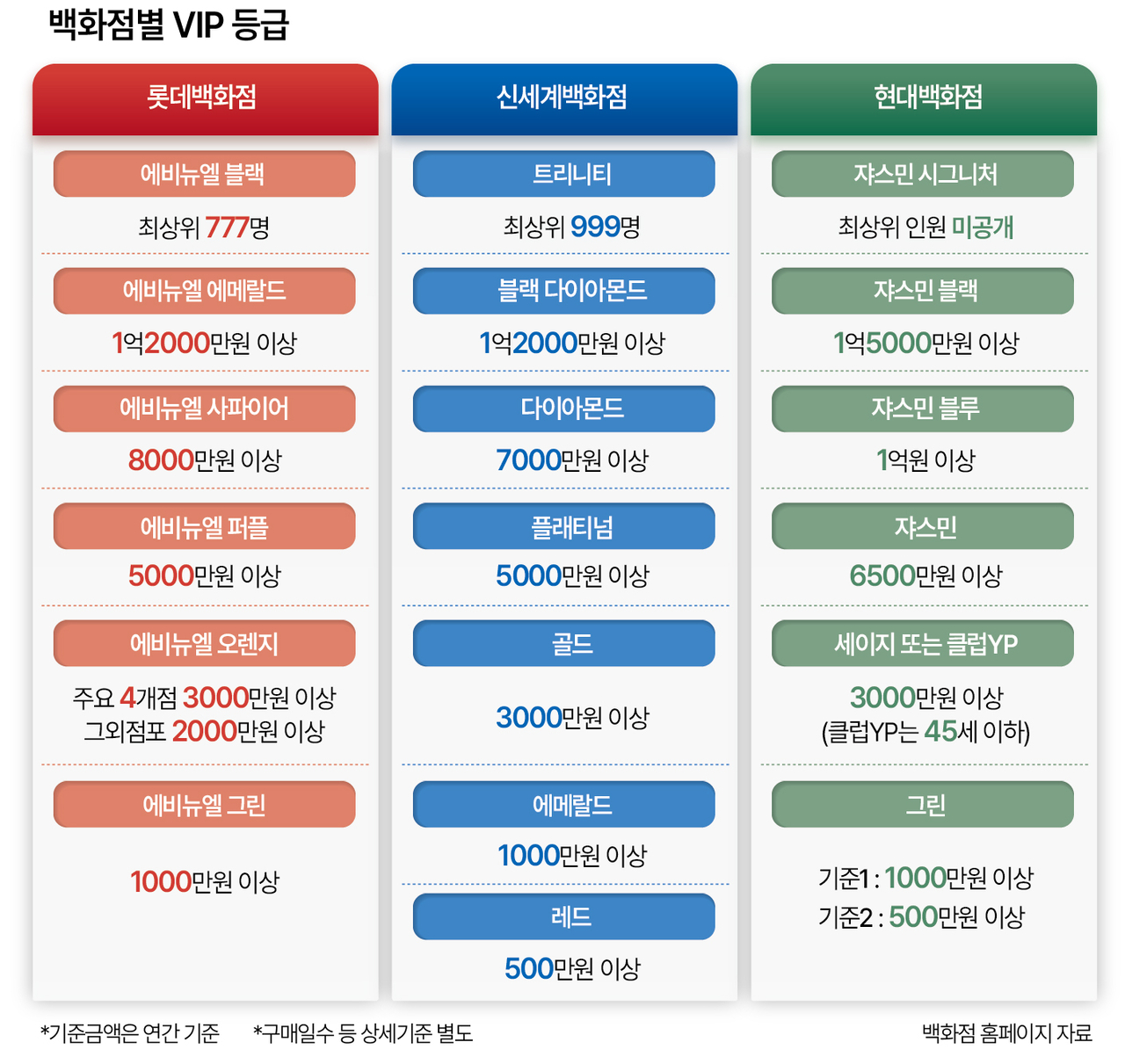
Data on the size and spending of department store VIPs is kept strictly confidential. Industry insiders say, however, that the VIP population has grown with each economic upswing and the tier structure has evolved to meet demand. What was once three or four VIP levels has expanded to six or seven, raising the bar at each step. Lotte Department Store classifies customers as VIP from annual spending of 10 million won, while Shinsegae and Hyundai Department Store set the entry threshold at 5 million won. Moving up the ladder involves more than just annual purchase totals — store visit frequency, purchase frequency and use of flagship locations are all factored in.
The benefits attached to each tier vary enormously. At Shinsegae, for example, the entry-level "Red" tier — requiring annual spending of at least 5 million won — comes with three hours of complimentary parking, but none of the perks reserved for "Platinum" members (50 million won and above), such as access to a private lounge, invitations to cultural performances and personal shopping services. Platinum members, in turn, cannot access the overseas luxury fast-track service and asset management offerings available exclusively to "Black Diamond" members, who spend at least 120 million won a year.
At the very top of each chain sits an invitation-only tier with no fixed spending threshold — membership is determined purely by ranking. Lotte Department Store's "Avenuel Black" is reserved for the 777 customers with the highest annual spending. Shinsegae's "Trinity" targets the top 999 spenders. Hyundai Department Store's "Jasmine Signature" does not even disclose its membership size, and past VIP status weighs heavily in the selection. These are the VIPs of VIPs — a club you can only enter if chosen.
Within industry circles and VIP communities, the informal spending benchmark for these top tiers is said to be in the mid-300 million won range. A surge in luxury goods sales earlier this year, fueled by a buoyant stock market, is said to have pushed that threshold even higher. For the same reason, industry watchers expect the number of department store VIPs to grow again next year. A similar dynamic played out during the COVID-19 pandemic, when revenge spending on luxury and high-end goods drove a sharp rise in VIP numbers and pushed the annual spending benchmark upward.
Evolving perks: curated experiences that take VIPs abroad
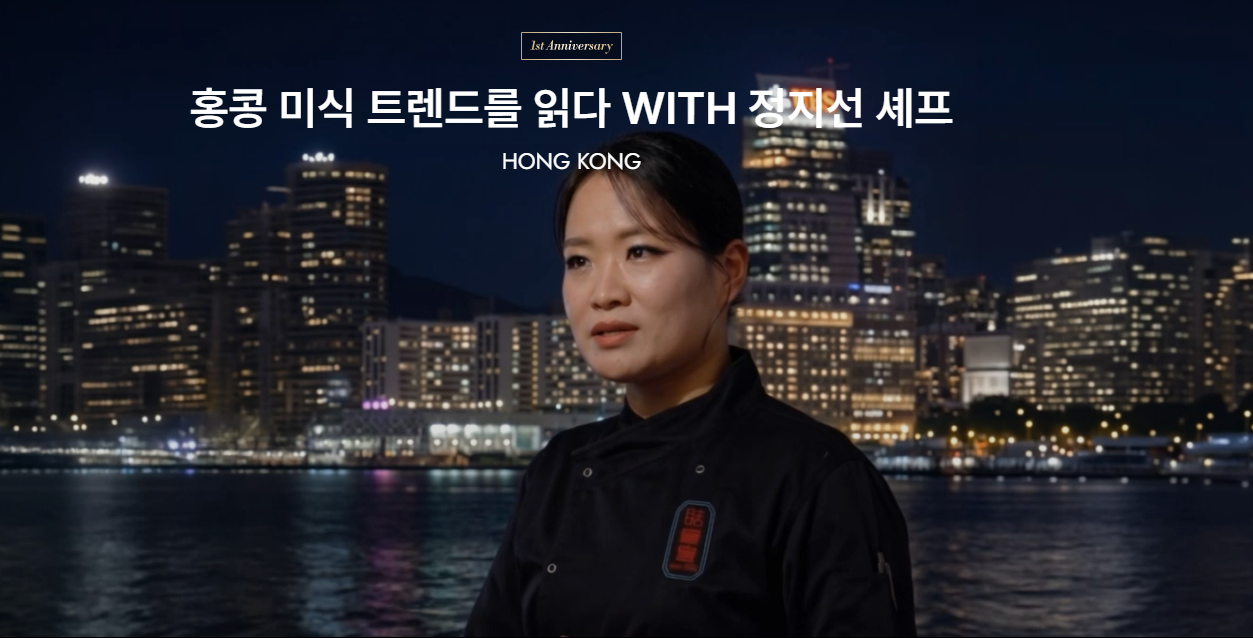
VIP services are evolving, with exclusive overseas travel packages emerging as a signature offering. Shinsegae Department Store launched Via Shinsegae, a premium travel platform targeting VIP customers, in August last year, and has since expanded access to the general public. A South America trip priced at 56 million won per person sold out last year, and this year packages have also sold out — including a Hong Kong gourmet journey with chef Jeong Ji-seon starting at 7.9 million won, and a Nagoya trip combining a piano recital by Im Yun-chan with a traditional hot-spring stay, starting at 4.6 million won. Part of the appeal is practical: a single trip can be enough to qualify for or maintain VIP status. Since launch, the platform has accumulated about 8,500 reservations, with an average spend per customer of 11 million won.
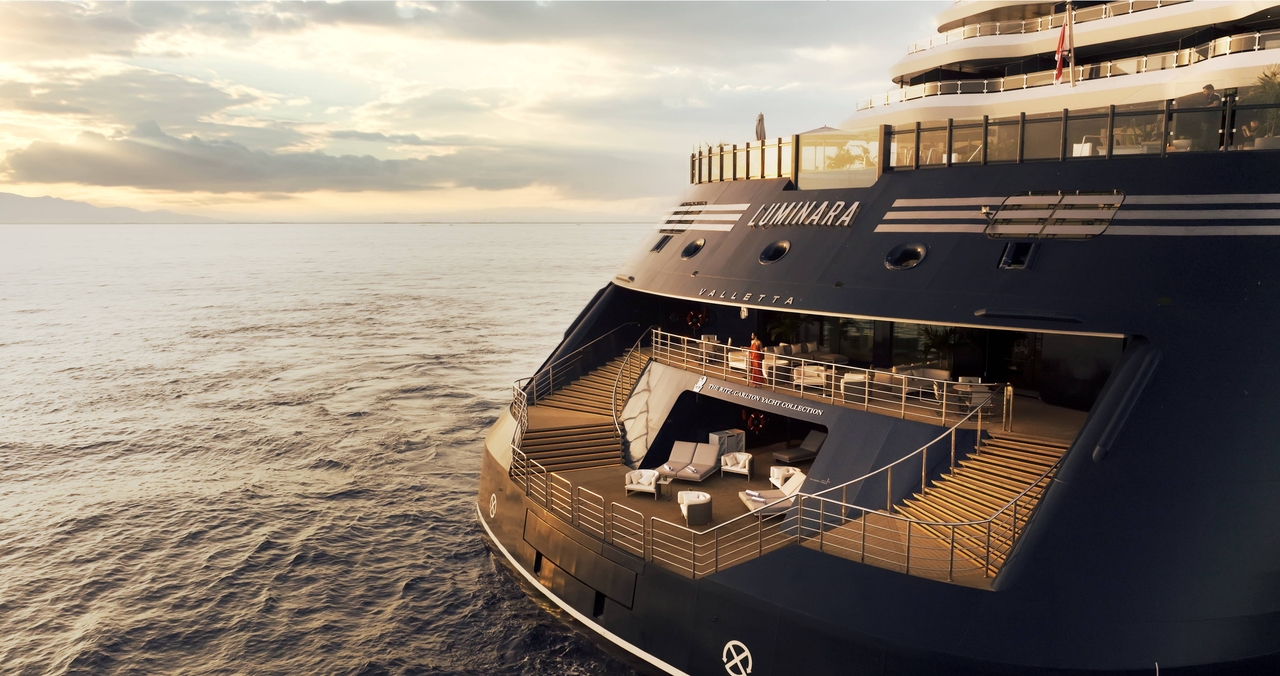
Lotte Department Store recently unveiled its own overseas travel program exclusively for Avenuel VIP members. The itineraries feature Ritz-Carlton Yacht Collection cruises to Alaska, Japan, France and Spain, with the most expensive Alaska package tour starting at 40 million won. The program is part of a broader expansion of the existing Avenuel Points system into an experiential curation platform spanning six categories: stay, cuisine, lifestyle, wellness, store and charity.
"Customers who have maintained VIP status for years often find little excitement in buying new things," one industry official said. "Those are exactly the people who will open their wallets for a truly special travel experience they could never get through an ordinary travel agency." The official added that because a single trip involves a large outlay, it also works well for customers looking to maintain or upgrade their tier.
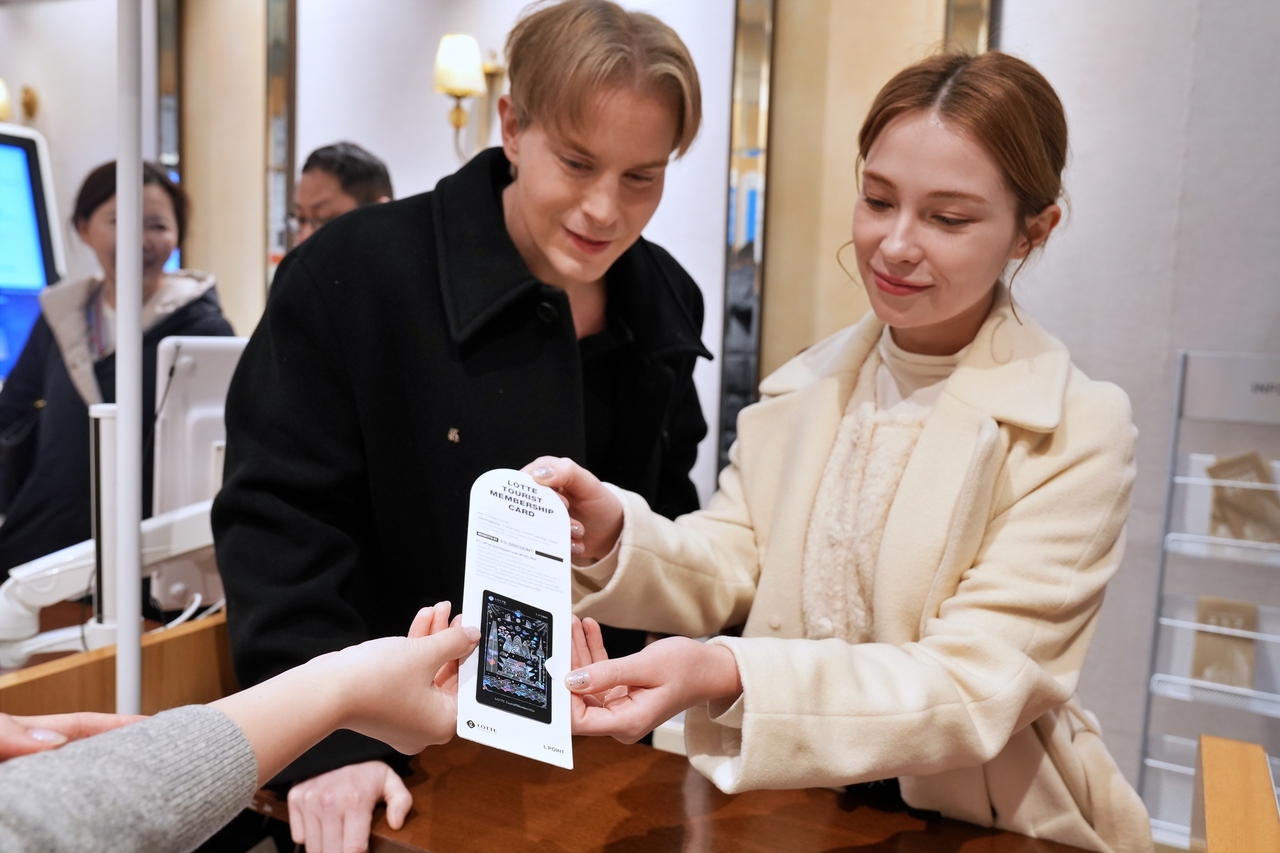
Courting foreign VIPs — with benefits kept strictly under wraps
Department stores are also formalizing programs for foreign VIPs. Hyundai Department Store plans to launch a "Global VIP Membership" in February next year. Foreign customers enrolled in its integrated foreign-member program, H Point Global, will be able to qualify for VIP status based on annual spending without needing to hold a Hyundai Department Store credit card. The program will offer two tiers — "Gold" (annual spending of at least 10 million won) and "Platinum" (at least 50 million won) — with Gold status granted in bulk from February to customers who meet the spending threshold between January and December this year.
Shinsegae Department Store has operated a "Global Membership" program for foreign VIPs since May 2016. It offers three tiers based on annual spending: VIP (5 million won and above), VVIP (10 million won and above) and SVIP (30 million won and above). The exact membership size has not been disclosed, but customers from more than 120 countries — including the United States, Japan, China and Singapore — have enrolled. Benefits by tier include complimentary parking and valet service, personal shopping, and gourmet experiences at House of Shinsegae.
Lotte Department Store has taken a different approach, drawing foreign VIPs into its existing domestic VIP framework. It has partnered with global affiliates including UnionPay to offer tailored services to high-spending overseas customers. The chain is also exploring a collaboration program to attract "Black Diamond" members — the top tier of global travel platform Trip.com — under which qualifying visitors to Lotte Department Store would receive a dedicated personal shopper and access to the Avenuel lounge.
Even so, industry insiders say the majority of VIP benefits remain hidden from public view. "The services provided to VIPs could make ordinary customers feel alienated, and they also represent each company's core strategy for attracting top spenders," one official said. "Sixty to 70 percent of what we offer stays below the surface."

soho0902@heraldcorp.com