Negotiations ongoing for BNP Paribas stake
Lack of captive agents, bancassurance reliance seen as structural limits
Large GA or mid-size insurer eyed as next target
KDB Life sale collapse leaves Korea Development Bank weighing options
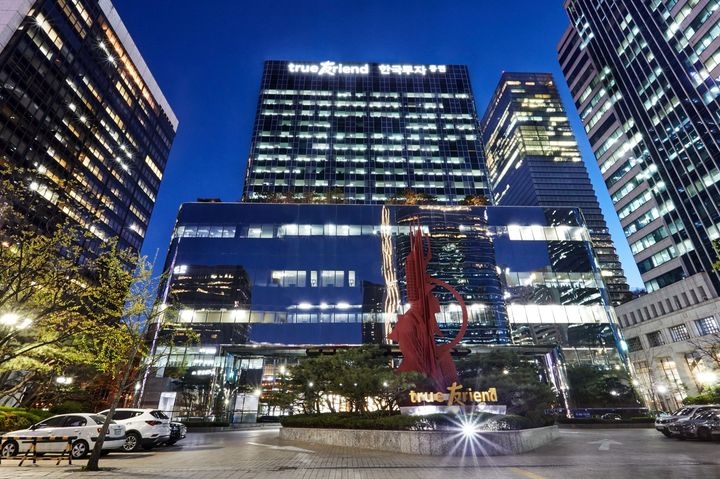
Korea Investment Holdings is on the verge of acquiring BNP Paribas Cardiff Life Insurance, a move that would mark its long-awaited entry into the insurance sector — but the market widely views the deal as an incomplete puzzle.
Cardiff Life alone is seen as insufficient to deliver the scale and cross-subsidiary synergies Korea Investment needs to evolve into a full-service financial group. That has fueled expectations that the firm will pursue additional mergers and acquisitions, targeting either a large general agency or another mid-size life insurer.
According to investment banking industry sources, Korea Investment is in final negotiations to acquire all shares held by French financial group BNP Paribas, the largest shareholder with roughly 85 percent, and Shinhan Bank, which holds approximately 15 percent.
The two sides have advanced discussions to the point where signing a share purchase agreement appears imminent. The deal is estimated in the market at around 80 billion won ($60.1 million). If completed, Cardiff Life would become a wholly owned subsidiary of Korea Investment.
The industry's focus on Korea Investment's next move stems from Cardiff Life's structural limitations. As of the end of June, the insurer had total assets of 3.14 trillion won, placing it in the small-to-mid-size category. Its Korea Insurance Capital Standard solvency ratio stood at 196.5 percent, reflecting sound financial health and suggesting that additional capital injections after the acquisition would be minimal.
The insurer's overall scale is modest and its business model narrow. Its core products are limited to credit and variable insurance, and its sales channels are heavily concentrated in bancassurance — sales through bank branches. The absence of a captive agent network makes it difficult to operate an independent sales force. Analysts say both the size and sales infrastructure fall short of what would be needed to generate meaningful synergies with Korea Investment's existing affiliates — including its securities, asset management and savings bank units — in areas such as retirement pensions and wealth management.
"For Korea Investment, acquiring Cardiff Life is essentially about securing a license to enter the insurance business," an IB industry official said. "Given the weak independent sales base, there is a strong likelihood the firm will follow up with an acquisition of a large general agency to expand its distribution, or make another move on a mid-size life insurer currently on the market."
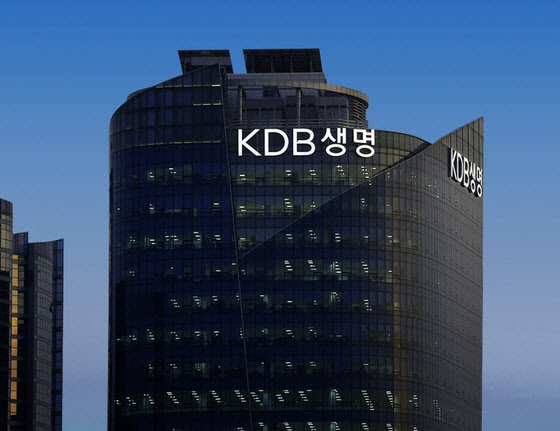
The pivot toward a phased expansion strategy traces back to the collapse of Korea Investment's negotiations with Korea Development Bank over KDB Life Insurance, which fell apart Wednesday. Korea Investment had originally sought to acquire both KDB Life and Cardiff Life simultaneously, aiming to rapidly build scale and diversify its insurance portfolio in one stroke.
That plan unraveled over the capital burden KDB Life carries. As of June, KDB Life's solvency ratio stood at just 78.66 percent before transitional measures — well below the financial regulator's recommended level of 130 percent. Korea Investment had asked Korea Development Bank to inject 1 trillion won in new capital before the handover, but the state-run lender, which had already pumped in 500 billion won in December last year, was reportedly reluctant to face accusations of preferential treatment or a fire-sale disposal that further public funds would invite. Ultimately, Korea Investment walked away from KDB Life to avoid a winner's curse, analysts say, making a follow-on M&A strategy to fill the gap in scale all but inevitable.
Meanwhile, Korea Development Bank is weighing how to revive the sale process after the seventh attempt to offload KDB Life ended in failure. In the main bidding round last August, the bank designated Korea Investment as the sole preferred negotiating party without naming a secondary candidate. That procedural gap makes it difficult to immediately open talks with other bidders from that round, such as Hanwha Life Insurance or Heungkuk Life Insurance.
Industry observers say Korea Development Bank could informally sound out existing interested parties about their appetite for the asset, but believe the more likely scenario — if the bank lacks confidence in closing a new sale — is a shift toward stabilizing KDB Life before relisting it. Under that approach, the bank would first address KDB Life's financial health issues, including its solvency ratio, through its own capital strengthening and management overhaul, then seek a sale at a proper valuation once an earnings turnaround has been achieved.
an@heraldcorp.com