Xi, Carney hold summit in Shenzhen ahead of APEC
China to expand tariff relief on Canadian pork, seafood
Canada extends tariff cuts on Chinese steel, aluminum by 2 years
Trade diversification accelerates as US tariff pressure mounts
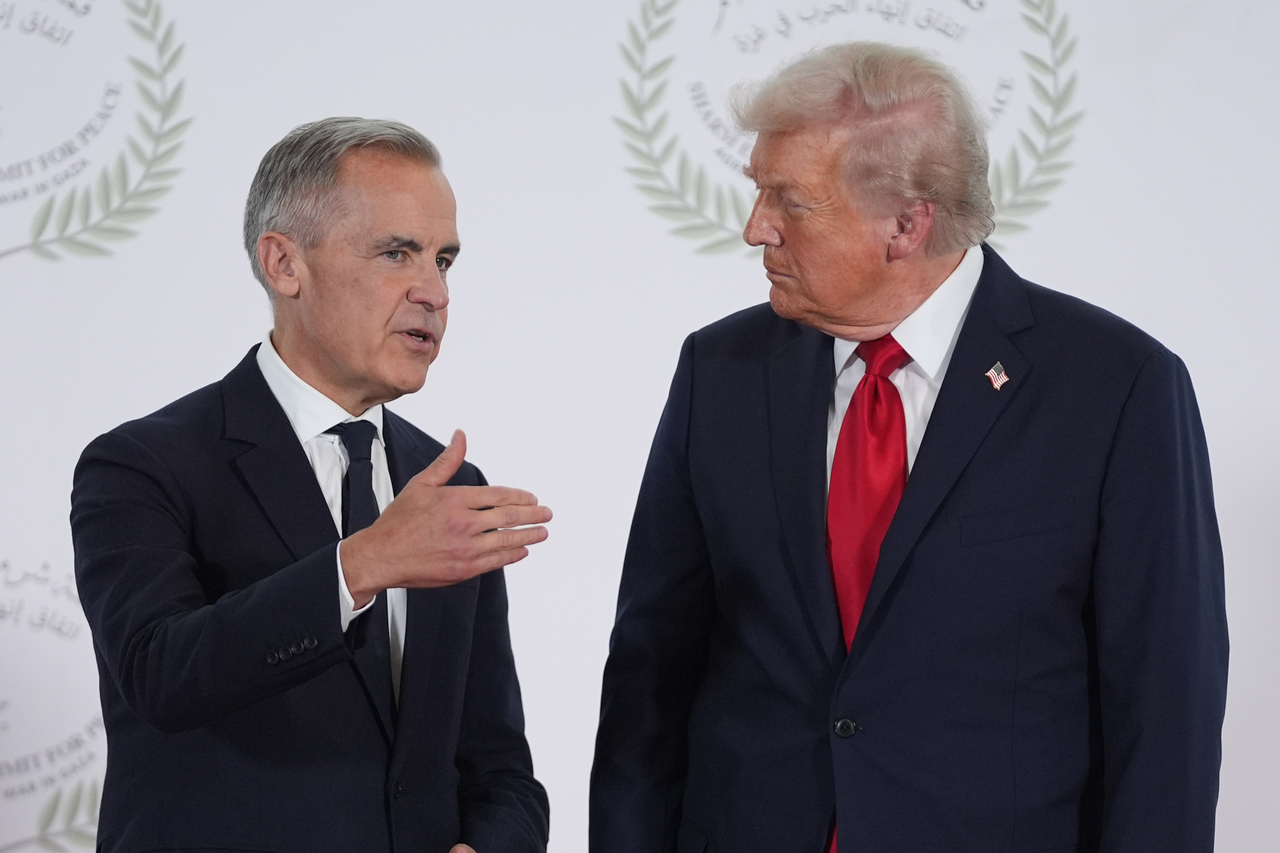
Canada, locked in a dispute with the United States over Donald Trump's tariff policies and threats of annexation, has moved to deepen economic cooperation with China. The two countries' leaders agreed Tuesday to further reduce tariffs, accelerating a recovery in ties that had been frozen for years. The development signals Canada's broader push to diversify trade toward China and other Asia-Pacific nations as it seeks to reduce its reliance on the US.
According to Reuters, Chinese President Xi Jinping and Canadian Prime Minister Mark Carney held a summit Tuesday (local time) in Shenzhen, Guangdong Province, agreeing to additional tariff reductions between the two countries.
The meeting took place a day before the Asia-Pacific Economic Cooperation summit, which opens Wednesday in Shenzhen.
Under the agreement, China will expand tariff relief on approximately 400 million Canadian dollars ($290 million) worth of Canadian exports, including frozen pork and fish and seafood products.
Canada offered a reciprocal measure, agreeing to extend by two years tariff relief on some Chinese steel and aluminum products that had been set to expire at the end of this year.
The moves lower trade barriers on each country's key exports and mark a significant step toward expanded economic cooperation.
At the summit, Xi said that since the two countries agreed in January to develop a strategic partnership, exchanges and cooperation across all sectors had fully resumed.
"Strengthened communication and cooperation between China and Canada will benefit not only the two countries but also the Asia-Pacific region and the world," he said.
Carney also said the bilateral relationship was moving in a stable direction.
"There is greater predictability and stability," he said. "The stabilization of the bilateral trade framework shows that we can work together more broadly and pragmatically to solve problems."
Relations between China and Canada had at one point deteriorated sharply.
In 2018, during Trump's first term, Canada arrested Meng Wanzhou, a senior executive at Chinese telecommunications equipment maker Huawei, in Vancouver at the request of the United States. The incident sent bilateral ties into a steep decline.
The two leaders signaled their willingness to repair the relationship at the APEC summit held in Gyeongju last November.
Carney then visited China in January and declared a new strategic partnership with Xi — the first visit to China by a Canadian prime minister in more than eight years, since former Prime Minister Justin Trudeau's trip in 2017.
At the time, the two countries agreed to expand economic cooperation, including tariff reductions.
Canada slashed its tariff on Chinese electric vehicles from 100 percent to 6.1 percent and agreed to allow imports of up to 49,000 vehicles per year. In return, China reduced tariffs on Canadian agricultural products.
The latest tariff agreement builds further on the foundation of cooperation established at the January summit.
Canada's push to improve ties with China is driven in large part by its deepening tensions with the United States.
Trump has applied tariff pressure on Canada while also raising the prospect of absorbing it as the 51st US state, straining relations between the two neighbors.
In response, Carney has focused on expanding economic and diplomatic cooperation with major Indo-Pacific nations, including China and India, as a way to move away from a trade structure centered on the United States.
Carney told reporters in Cambodia on Monday that if trade negotiations with the United States were to fail, Canada could work with Chinese automakers as an alternative.
The remark signaled that Canada sees deeper economic cooperation with China as a viable fallback should its trade dispute with the US drag on.
With the two countries agreeing to further tariff reductions at this summit, Canada's trade diversification strategy appears set to gain further momentum. Analysts say the pressure from the Trump administration has paradoxically brought Canada — a key US ally — and China closer together economically.
sjy@heraldcorp.com