US animal shelter calls viral video '100% fake' — AI-generated euthanasia lists and lost-pet photos used to solicit donations
EU requires deepfake labeling from users too; South Korea's AI Basic Act covers only service providers
A column exploring what can happen to our dogs and cats — weaving together the policies, research and global cases behind the headlines.
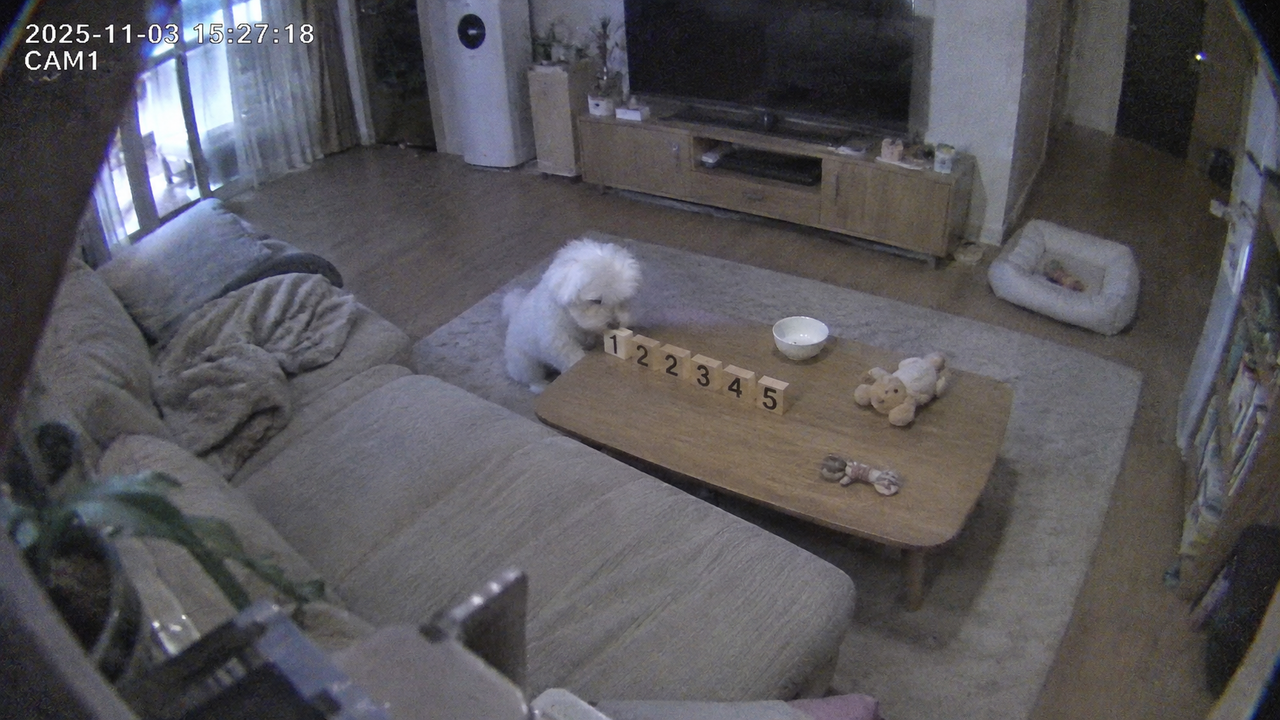
AI-generated fake animal videos are flooding the internet in such volume that even a genuinely talented pet dog performing real tricks is now met with suspicion.
Generative AI tools can produce lifelike animal footage from just a few lines of text. Emotionally stirring or shocking animal clips attract high view counts and advertising revenue, and some accounts have sprung up dedicated to posting several such videos a day.
On a recent entertainment program, a pet dog accurately picked out hangul word cards and identified a card bearing its own name — prompting cast members to blurt out, "It's AI." "I can't believe it. This feels like a rigged show," one cast member said. The dog had in fact learned the tricks through training, but the moment laid bare just how quickly people now reach for AI as their first suspicion.
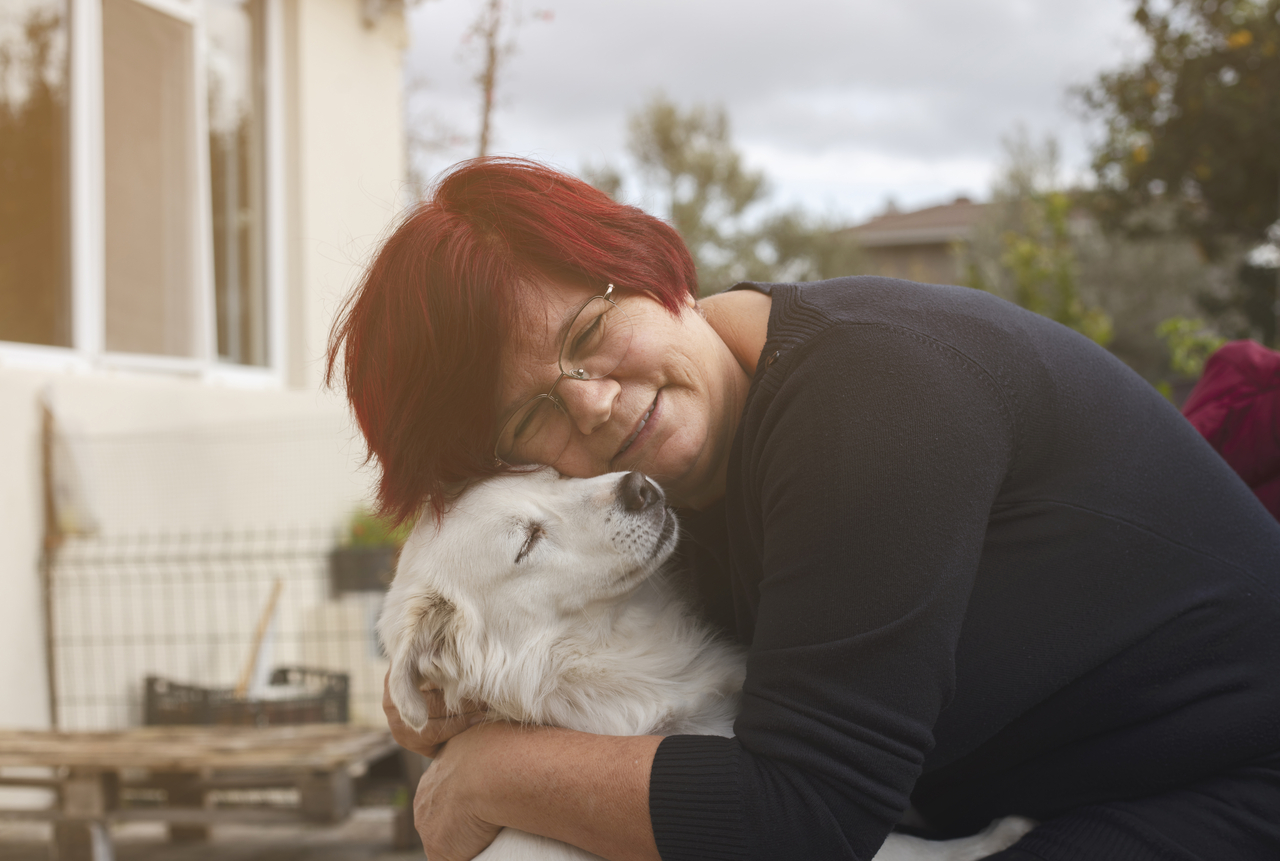
'Grandmother and the retriever' that moved viewers to tears was AI
In late August, a video spread across Instagram in the United States showing an 81-year-old woman named Eleanor saying goodbye to a 7-year-old golden retriever named Duke as she surrendered him to the Oregon Humane Society (OHS). The clip was accompanied by an explanation that her health had deteriorated and she was moving into a care facility that did not accept pets.
According to the Portland weekly Willamette Week, the video appeared on at least nine accounts, with one post alone drawing 62,700 likes and nearly 4,000 comments.
The video was a fake created with AI. OHS staff member Sara Yusavitz said the clip was "heartbreaking but 100% fake." The shelter was flooded with calls from people asking whether they could adopt Duke, and staff lost significant time responding to the inquiries.

The same account also posted similar videos showing other elderly women surrendering their dogs in Virginia and Kentucky. OHS staff member Laura Klink said, "Having to deal with this at all interferes with our work."
According to US animal welfare activist Sophie Gamand, posts circulated in the San Francisco Bay Area in February using AI-altered photos of shelter dogs to falsely claim the animals were on euthanasia lists and solicit donations. The dogs were either not slated for euthanasia or did not exist at all.
In Fresno, California, a scammer sent an owner who had lost a dog AI-generated photos as supposed proof of having the animal, then demanded payment in gift cards.

The dangerous misconceptions fake videos spread
Research has also found that AI-generated fake animal videos spread false perceptions about wildlife.
Researchers at the University of Cordoba in Spain warned in a paper published in the journal Conservation Biology that "generative AI tools can now produce plausible wildlife videos and images of events that never actually occurred."
One example the researchers cited was an AI video of a bird sheltering its chicks in the rain, captioned "true maternal love" — even though roughly 90 percent of bird species have males that share in raising their young.
Fake videos of predators and prey living in harmony, or of wild animals forming close bonds with humans, are also common.
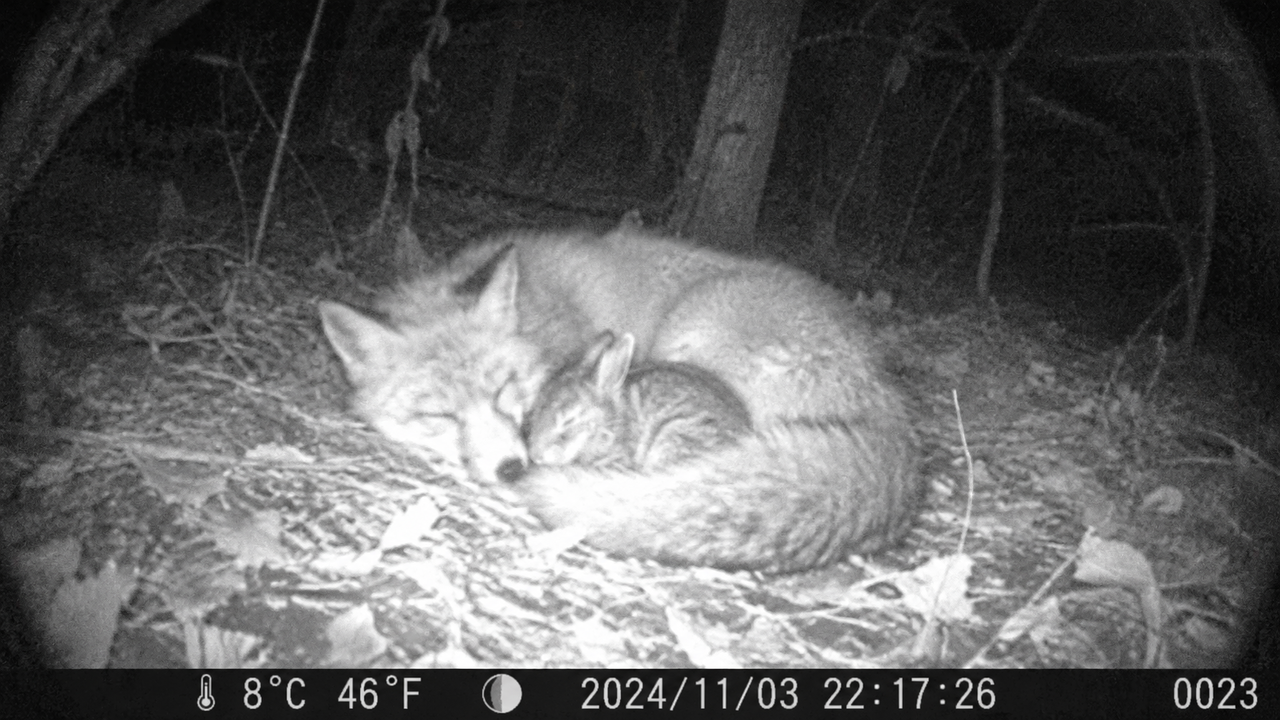
The researchers said such videos could instill a false sense that wildlife is safe to approach, fuel demand for keeping rare animals as pets, and draw tourists to places where those animals do not actually live.
Because international rules governing AI content are unlikely to be established quickly, the researchers said media literacy education is urgently needed.
A separate paper published in the journal Nature Ecology & Evolution examined cases in which AI-enhanced photos uploaded to citizen science platforms contaminated ecological records.
In one case, a photo purportedly showing a bird species never before recorded in Brazil turned out to depict a different species entirely. The person who posted it had used Google's AI photo-editing feature, which inadvertently overlaid markings resembling those of another bird onto the image.

EU requires labeling from users too; South Korea targets only service providers
Countries are moving to require labeling on AI-generated content. The EU has applied transparency obligations under its AI Act since Aug. 2. Companies that develop generative AI must embed machine-readable markers in AI-produced images, videos, audio and text.
Those who use AI systems to create and distribute deepfakes must also visibly disclose that the content was AI-generated. Violations can result in fines of up to 15 million euros ($16.5 million) or 3 percent of global annual sales, whichever is greater.
China has enforced its "Measures for the Administration of Labeling of AI-Generated Synthetic Content" since Sept. 1 last year. AI service companies must attach both a visible label and an embedded marker in the file metadata. Users who post AI-generated content online are also required to disclose that it was AI-produced and to use their platform's labeling function.
In South Korea, the AI Basic Act took effect Jan. 22 this year. Article 31 of the law requires businesses that develop AI or provide AI-based services to label outputs from generative AI, and to disclose deepfakes in a manner clearly recognizable to people.
The obligation applies only to AI service providers, meaning YouTubers and individual account holders who use AI services to create and post fake videos are not covered. The Korea Communications Commission has said it plans to push through an amendment to the Act on Promotion of Information and Communications Network Utilization and Information Protection by year-end that would require users who post AI-generated images or videos to label them as such, and would place platforms under a duty to manage compliance.
Meanwhile, OHS staff member Klink said, "We are living in an era where it is hard to tell what is AI and what is real."
dbsdn1110@heraldcorp.com