Boeing, McDonald's shares rose 25% and 14% a year after CEOs quit over affairs
Welcia also gained 7%; Snow Peak, Intel, BP fell
Analysts say short-term earnings impact is limited — business fundamentals are key
Nvidia faces added risks: tech leadership vacuum and China chip smuggling allegations
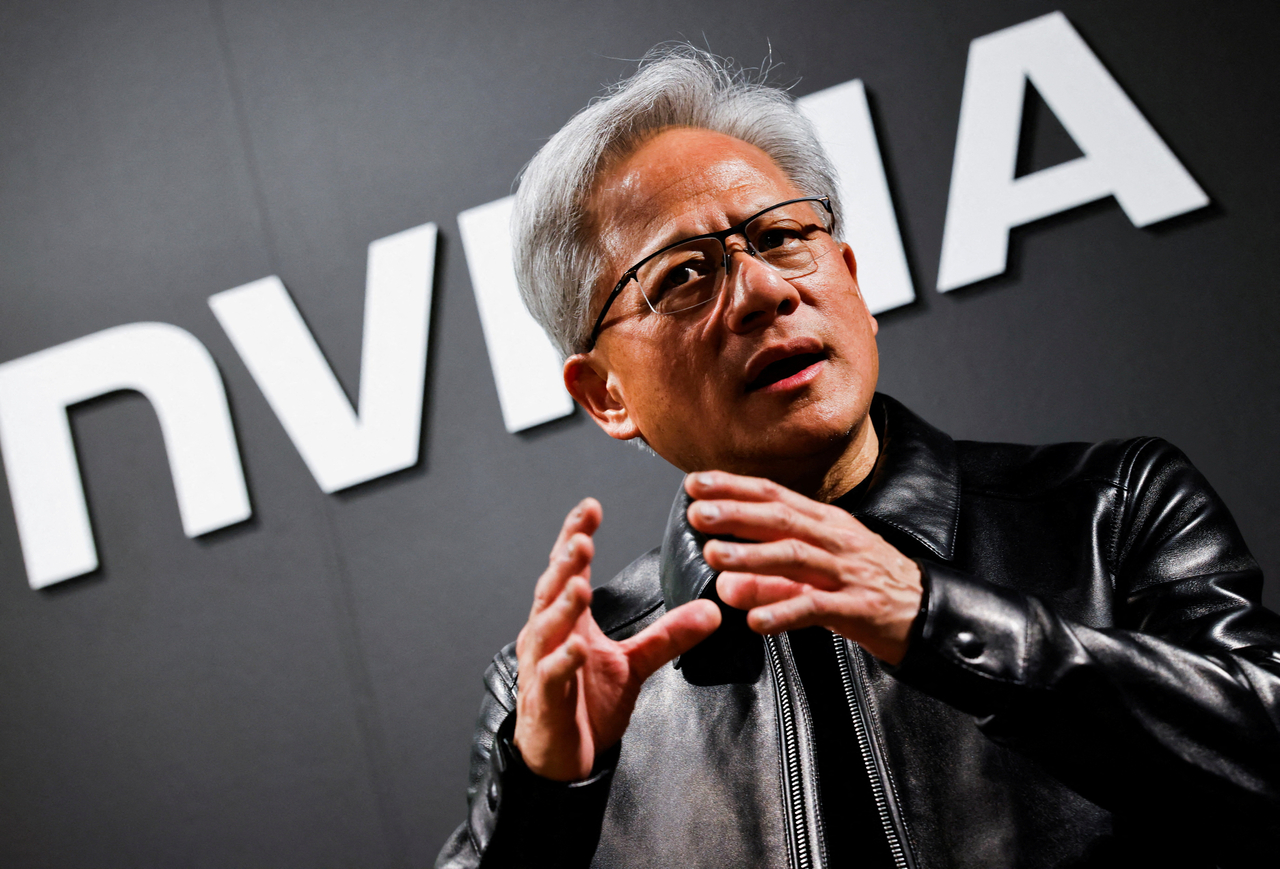
Nvidia's share price tumbled following the resignation of former CEO Jensen Huang amid an extramarital affair scandal — but a look at past cases shows that companies whose chief executives stepped down over similar controversies often saw their stocks rise a year later. Some analysts say a CEO's personal misconduct does not necessarily translate into a lasting decline in corporate value. However, observers note that Nvidia's situation may differ from those precedents, given that Huang was the company's founder and the driving force behind its core technology.
Japan's Nikkei Shimbun reported Tuesday that an analysis of share price trends at major companies whose CEOs resigned over affairs found that some posted stock gains after the leadership change, buoyed by improved earnings.
Boeing is the most prominent example. Harry Stonecipher, then the company's CEO, stepped down in March 2005 after a personal relationship with a female executive at the company came to light. A year after his resignation, Boeing's share price had risen 25%.
At the time, Boeing was enjoying a favorable business environment, with aircraft orders hitting a record high. Net profit for 2005 rose 40% from the previous year. The episode illustrated how strong earnings and competitive fundamentals can outweigh the shock of a sudden CEO departure.
McDonald's offers a similar case. Former CEO Steve Easterbrook was fired in 2019 after it emerged he had violated company policy by engaging in a relationship with an employee. A year after the announcement of his dismissal, McDonald's share price was up 14%.
Japanese drugstore chain Welcia Holdings also saw its stock climb after a CEO affair scandal. Then-President Matsumoto Tadahisa stepped down in 2024 over an extramarital relationship while the company was pursuing a merger with rival Tsuruha Holdings.
The leadership change did not derail the merger, which proceeded smoothly. As a result, Welcia's share price rose 7% a year after the CEO's departure — a recovery driven by the company's ability to press ahead with its core strategic plans regardless of the personal conduct of its former chief.
Not all companies fared as well, however.
Japanese outdoor gear maker Snow Peak saw its share price tumble after then-President Yamai Lisa resigned in 2022, citing a relationship with a married man and a pregnancy. Her father, the company's previous CEO, returned to lead the firm, but deteriorating earnings dragged the stock down 38% over the following year.
US chipmaker Intel also fell 9% in the year after then-CEO Brian Krzanich stepped down in 2018 over a relationship with an employee. British energy company BP similarly dropped 23% in the year following former CEO Bernard Looney's 2023 resignation over allegations surrounding past personal relationships with colleagues.
The divergent outcomes, despite the common thread of CEO personal misconduct, reflect the overriding importance of earnings, the broader business environment, and whether a company can maintain its competitive edge after a leadership change, some analysts say.
Uchiyama Daisuke, a senior strategy analyst at Okasan Securities, said business models and competitive conditions rarely shift over a period of a few years, meaning the impact on fundamentals is likely to be limited. "However, over the longer term, the effects of a CEO change could become more apparent," he added.
The concern with Nvidia is that it carries risk factors that set it apart from those historical cases.
Nvidia's share price fell as much as 14% during trading after Huang's resignation was announced. The sharp drop reflects market anxiety over the void left by a figure who was far more than a professional manager — Huang was the architect of Nvidia's technological edge.
Citing securities analysts, the Nikkei said Huang "was an engineer and the source of Nvidia's competitiveness," and that his departure could shake the company's dominance in AI chip technology.
Adding to the pressure are allegations that the woman involved in Huang's affair was linked to the illicit export of Nvidia's advanced semiconductors to China. The company she is affiliated with is alleged to have supplied Nvidia chips to China through indirect channels, a controversy that has since expanded into a US national security debate.
The Nikkei said these allegations are likely to continue weighing on Nvidia's share price for now.
While past cases show that a CEO's affair scandal does not inevitably lead to a prolonged stock decline, Nvidia faces the dual challenge of filling a technology leadership vacuum and resolving a national security controversy at the same time. Whether Huang's departure proves a temporary shock or a lasting blow to Nvidia's competitive standing will depend on how quickly the company restores normal operations and whether it can sustain its technological edge.
sjy@heraldcorp.com