Russian aircraft enter Donghae KADIZ for first time in about 3 months; 'fewer than 10' aircraft involved
'Surveillance and detection capabilities' cited as reason for withholding details; protest decision left to diplomatic channels
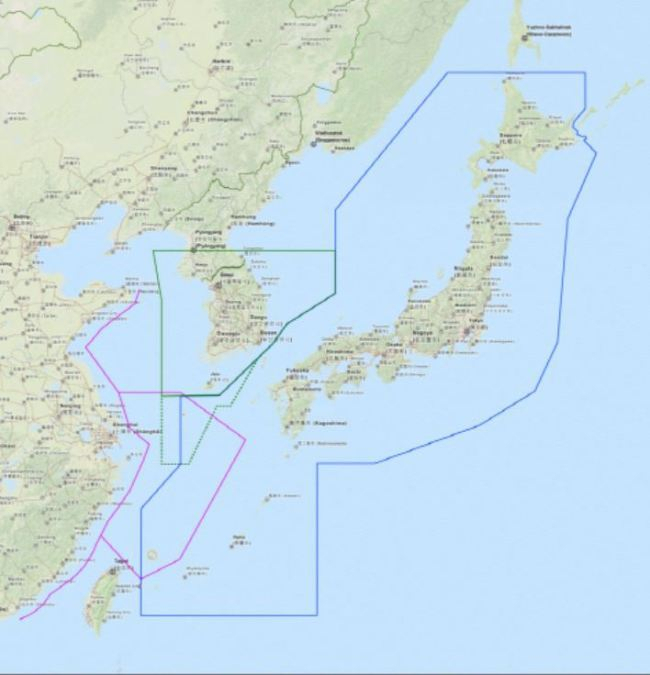
South Korea's Joint Chiefs of Staff said Tuesday it would be "inappropriate to prejudge" the intent of Russian military aircraft that entered and then exited the Korea Air Defense Identification Zone, or KADIZ, over the East Sea early that morning. The military declined to disclose the aircraft types, the exact number involved or how close they came to South Korean airspace.
Jang Do-young, the JCS public affairs director, said at the Defense Ministry's regular briefing that day that "several Russian military aircraft entered and then exited the East Sea KADIZ, and there was no violation of our airspace." Jang said South Korean forces had detected the aircraft before they entered the zone and scrambled air force fighter jets to take tactical measures in preparation for any contingency.
"What matters is that our military detected the aircraft before they entered, took normal tactical measures, and escorted them out without any airspace violation," Jang said, adding that South Korea would "maintain a firm military readiness posture going forward."
Asked to clarify the size of "several aircraft," Jang said the number was fewer than 10. On how close the aircraft came to South Korean airspace, Jang said the information could not be released due to concerns that it would expose the military's surveillance and detection capabilities.
When asked whether South Korea planned to lodge a protest over the unannounced entry, Jang said the JCS had "nothing additional to say at this level," suggesting the matter would be handled through diplomatic channels.
KADIZ is not sovereign airspace but an identification zone established beyond it. Entering the zone does not violate international law, but it is standard international practice to notify the relevant country before doing so.
Russian military aircraft previously entered the East Sea KADIZ near Ulleungdo and Dokdo on Aug. 25 and then exited. Tuesday's incursion came roughly three months after that episode.
rimsclub@heraldcorp.com