Face-to-face deals among acquaintances persisted for years
All 29 suspects who described their first use cited peer influence
1.3 kg of methamphetamine seized, valued at 4.3 billion won
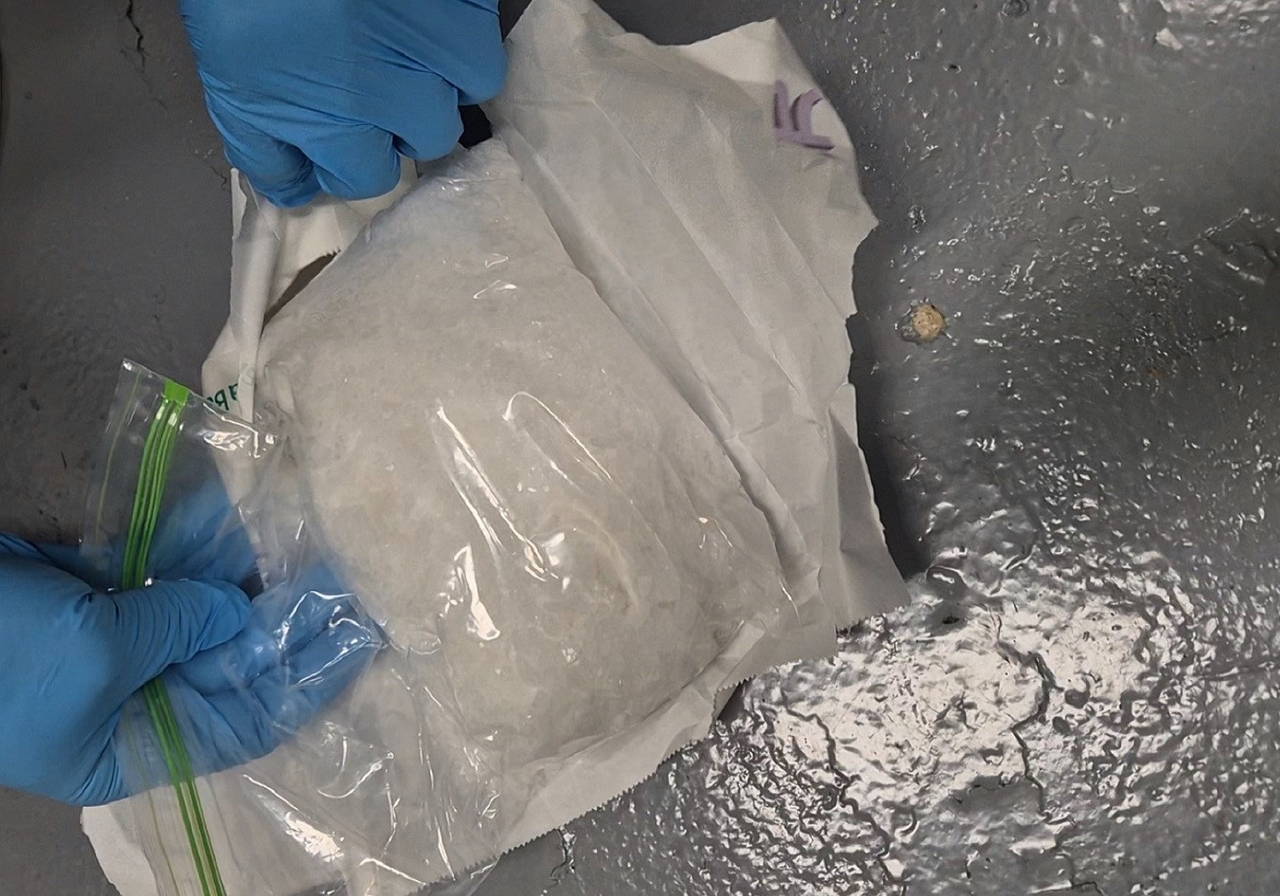
A drug ring that had evaded police for years while dealing and using methamphetamine and other narcotics has been broken up. All 29 suspects who described how they first used drugs said they had been introduced to narcotics by people they knew.
Even as contactless drug dealing via Telegram and virtual assets has grown more common, these suspects had been quietly buying and selling narcotics through existing personal networks — romantic partners, friends and coworkers.
Some were introduced to drugs by acquaintances, fell into repeated use and eventually began running deliveries to fund their habit.
The Seoul Metropolitan Police Agency Metropolitan Investigation Unit said Tuesday it had arrested 86 people on charges including violations of the Narcotics Control Act and had referred 29 of them to prosecutors in detention.
Of those arrested, 45 were charged with selling or distributing drugs, while the remaining 41 faced charges of purchasing and using them.
The suspects are accused of selling, giving away or purchasing and using methamphetamine, cannabis, LSD and other narcotics at businesses, residences and lodging facilities across the country between July 2024 and September this year.
By region, arrests were made in Seoul (33), Gyeonggi Province (29), Incheon (6), Daejeon (2), Daegu (2), Sejong (1), North Chungcheong Province (2), South Jeolla Province (3), North Jeolla Province (4) and South Gyeongsang Province (4).
Among those caught were people working in occupations common in everyday life, including restaurant operators, department store sales staff, delivery workers and employees at mid-sized companies.
All of the drug transactions were conducted in person. The network spread through personal introductions and referrals — suspects first received drugs from a friend or romantic partner, or were connected to another dealer through an acquaintance.
Police also identified at least one person who participated solely in selling drugs without using them.

One suspect, identified only as A, had no prior drug convictions and no confirmed drug use, but was arrested on charges of selling methamphetamine while operating a cosmetics distribution company in Gyeonggi Province.
During a search and seizure, police found 1.2 kg of methamphetamine worth 4 billion won ($3 million) stored in a desk drawer at A's office.
Police also confirmed cases in which people who first tried drugs became unable to break free from addiction and eventually joined the supply chain. One suspect, identified as B, had previously worked at a hospital and first used methamphetamine after a patient offered it, describing it as a "stimulant." As repeated use drained B's finances, B began running drug deliveries in exchange for methamphetamine.
A research team at the Catholic University of Korea Industry-Academic Cooperation Foundation, commissioned by the National Center for Mental Health, conducted in-depth interviews with 29 drug users between Feb. 24 and March 28 last year. The study found that three in four drug addicts had started using narcotics at someone else's urging.
Among the reported motivations, "encouragement from others" ranked first at 75.9%, followed by "curiosity" at 48.3%, "pleasure" at 17.2%, and both "resolving unpleasant emotions" and "relieving stress" at 10.3% each.
Under current narcotics law, it is illegal to entice or encourage another person to use, smoke or ingest narcotics. Violations carry a prison term of up to two years or a fine of up to 20 million won. When the person encouraged is a minor, the penalty can be increased by up to half.
"We have confirmed cases where repeated drug use after initial exposure led to broken family ties and the collapse of daily life," a police official said. "We urge the public to firmly refuse any offer of narcotics, no matter who makes it, and to report the person offering without hesitation."
kido@heraldcorp.com