The four-month snow-removal drive runs through March 15 next year, with heated road sections expanded from 42 to 53 sites; 317 civilian snow-removal team members will cover sidewalks and back streets across 16 neighborhoods, while 776 salt supply boxes are stocked and residents are encouraged to clear snow in front of their own homes.
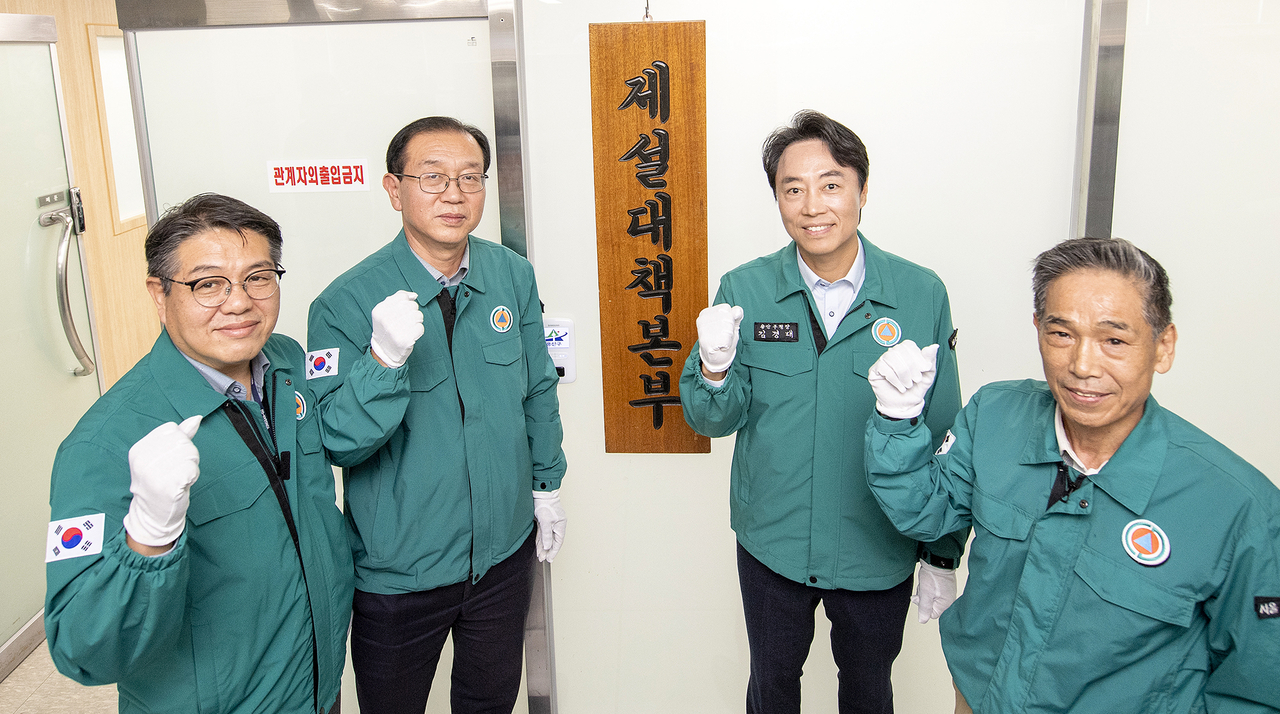
Seoul's Yongsan-gu has activated its winter snow-removal system to prepare for sudden and heavy snowfall this season.
The district plans to strengthen early-response capabilities and ensure pedestrian safety through expanded road-heating infrastructure and civilian snow-removal teams.
Yongsan-gu announced Tuesday that it will carry out its winter snow-removal program for four months, from Nov. 15, 2026, through March 15 next year.
As part of the launch, officials gathered Monday at the district office's disaster safety operations center for an opening ceremony and briefing, where Yongsan-gu District Mayor Kim Kyung-dae presided over a review of sector-by-sector response plans and on-site operational procedures.
The most notable new measure this year is the expansion of road-heating infrastructure. The district has increased the number of smart remote-controlled heated road sections from 42 sites — totaling 9,273 meters — last year to 53 sites totaling 11,363 meters this year. The heating systems, installed along major corridors including Sinheung-ro, Hyochangwon-ro and Jangmun-ro, will be activated ahead of snowfall as a preemptive measure, with real-time operation monitored via closed-circuit television.
For sidewalks and back streets inaccessible to vehicles, the district will deploy 317 civilian snow-removal team members. Organized by each of the 16 neighborhoods, the teams will be mobilized by community service centers when a snow-removal emergency alert of Level 1 or higher is issued. Each neighborhood will also receive a one-ton truck to bolster on-site response capacity.
The district manages 252 road sections — covering a total of 120 kilometers — including arterial and secondary roads. When snowfall probability reaches 80 percent or higher, de-icing agents will be pre-loaded and spread in advance. The district said it will pay particular attention to high-risk pedestrian areas, including bus stops heavily used during rush hours and routes frequented by mobility-impaired residents.
The district is also reinforcing its supply chain and equipment management. De-icing agents will be regularly replenished at 776 salt supply boxes across the district, with additional supplies provided as needed. A full inspection and maintenance of snow-removal equipment will be conducted, and trial operations involving both equipment and personnel will be held to prepare for actual snowfall conditions.
Yongsan-gu is also working to build a culture of resident-led snow removal. The district will step up promotion of its "clear snow in front of your own home and shop" campaign and install salt supply boxes and snow-removal tool stations at key vulnerable locations to encourage voluntary participation.
After the official snow-removal period ends, the district plans to maintain a post-season response period from March 16 through March 31 next year to guard against unseasonable weather.
"Swift initial response and preemptive snow removal in vulnerable areas are essential to minimizing resident inconvenience and safety incidents caused by snowfall," District Mayor Kim said. "We will operate road-heating systems and other snow-removal infrastructure efficiently and strengthen our on-site response framework so that residents can walk safely throughout the winter."
seouldream01@heraldcorp.com