1,072 of 1,537 plots compensated near Pungnaptoseong fortress
Analysis of compensation delays and waiting status by zone
Zone 3 residents face excavation limits despite exclusion from compensation
Sampyo Industries factory demolition under way
'Heritage preservation and residents' rights must go hand in hand'
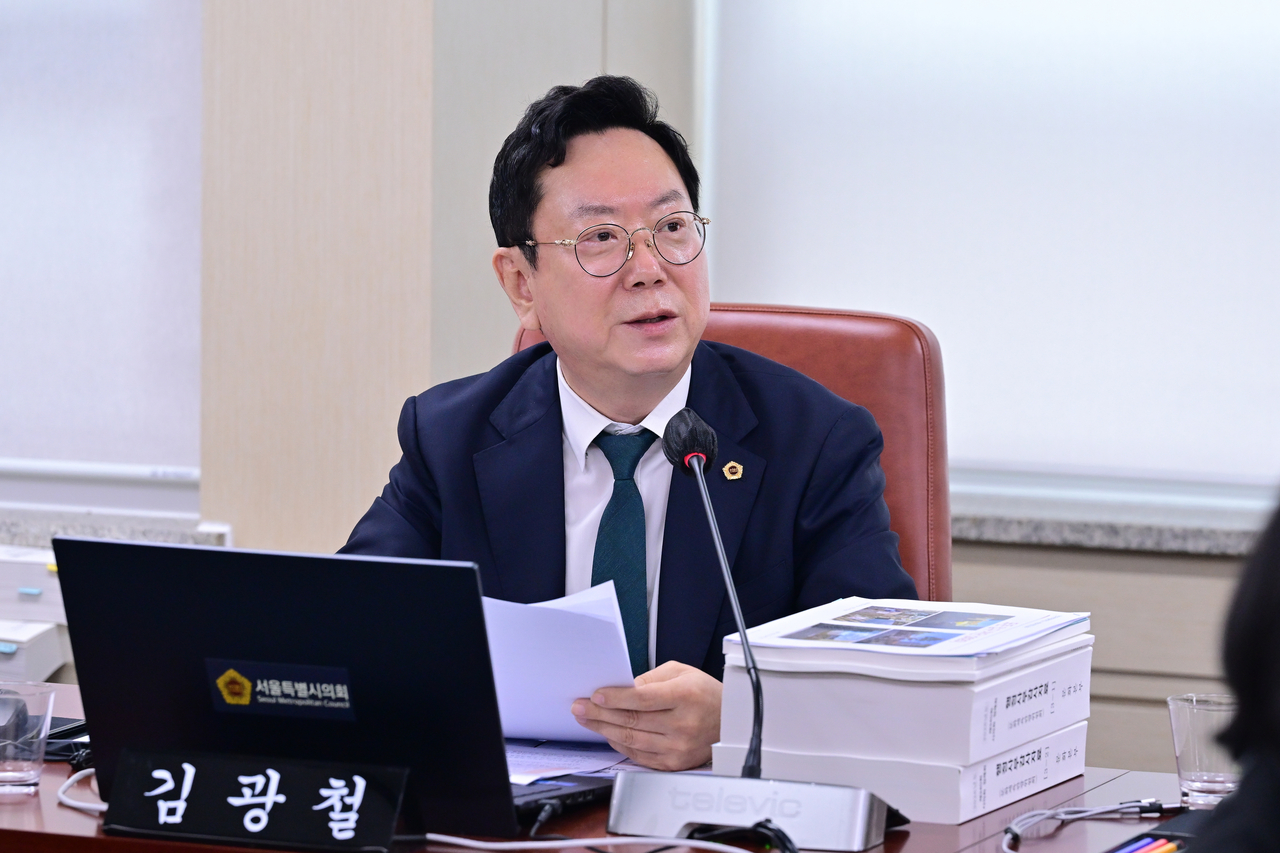
As Seoul's long-running cultural heritage restoration project near Pungnaptoseong fortress in Songpa-gu drags on, concerns persist that residents are losing the ability to exercise their property rights due to delayed land compensation and sweeping development restrictions. Although roughly 70 percent of all plots targeted for compensation have been settled, 465 parcels remain unresolved, putting pressure on the city to find a practical way to balance heritage preservation with residents' quality of life.
Kim Gwang-cheol, a People Power Party member of the Seoul Metropolitan Council representing Songpa 2 and a member of its Culture, Sports and Tourism Committee, raised the issue Friday at the committee's administrative audit during the 340th regular session. Kim pressed the city's Culture Bureau on the progress of the compensation project and called for improvements to the compensation framework and a plan for using idle land in the area.
Data submitted to Kim by the Culture Bureau showed that as of Sept. 30 this year, the total number of plots subject to compensation near Pungnaptoseong stood at 1,537, of which 1,072 — or 69.7 percent — had been settled. The remaining plots comprised 276 parcels (18.0 percent) still awaiting compensation and 189 parcels (12.3 percent) whose owners had not yet applied.
In effect, roughly three in 10 targeted plots remain uncompensated. The 465 parcels that are either waiting or unapplied account for 30.3 percent of the total, Kim said, underscoring the need for follow-up measures to address the project's prolonged delays and ease residents' hardship.
Kim said the city should not simply focus on raising the overall compensation rate, but should analyze the structural causes of delays and give residents a clearer picture of what to expect. Kim called on the city to document how long compensation has taken in each zone, identify parcels that have been waiting the longest, and strengthen communication about timelines and progress.
In response, the head of the city's cultural heritage division said some compensation negotiations had dragged on because residents disagreed with appraisal values or wished to remain in their current homes.
Property rights restrictions in Zone 3 of Pungnaptoseong — an area excluded from compensation — also drew fire at the audit.
Kim pointed out that Zone 3 residents are subject to restrictions on underground excavation and other development activities even though their land is not eligible for compensation. While acknowledging the need for regulations to protect cultural heritage, Kim said the city must devise supplementary measures that take into account the real difficulties residents face in exercising their property rights.
The city said excavation to a depth of 2 meters or less can be handled as a minor matter, but anything deeper requires a separate permit, and regulations protecting buried cultural assets apply throughout the area.
Kim said the public interest goal of heritage preservation must not translate into a one-sided burden on residents, and called on the city to develop a management plan that minimizes inconvenience caused by property restrictions regardless of whether a plot is included in the compensation scheme.
Eyes on Sampyo Industries site after demolition
The future use of the Sampyo Industries factory site in Pungnap-dong — a long-standing local issue — also received close attention at the audit.
According to the city, demolition of the Sampyo Industries factory buildings began in September and is scheduled to run through April 2027. Separately, a study on interim uses for the site is to be completed by March 2027.
Kim said the direction of the site's redevelopment after demolition is critical, given that it has long been a focus of residents' hopes and concerns. Kim urged the city to go beyond simply managing idle land and to draw up a plan that delivers tangible benefits to the community — including amenities that residents can use in their daily lives.
The city said it would review the range of proposals put forward by the Pungnap-dong residents' consultative body and work to ensure that residents' needs are reflected as fully as possible in the upcoming study process.
The audit raised broader concerns that went beyond individual issues such as the prolonged compensation project, property restrictions, and the future of the Sampyo Industries site — calling on the city to embed residents' lives into its overall cultural heritage preservation policy.
Preserving the value of historical and cultural heritage, the argument went, must go hand in hand with securing housing stability, protecting property rights, and improving the living environment for people who have long called the area home.
"Please establish a management framework for Pungnap-dong that harmonizes cultural heritage preservation with residents' property rights and quality of life," Kim said. "Seoul must actively pursue policies that allow historical and cultural heritage conservation and improvements in local residents' living standards to advance together."
7toy7@heraldcorp.com