Spare parts sourced from eBay as outdated network limps along
Copper lines so old even phone companies no longer support them
Modernization pushed ahead without a master schedule — then chaos struck
Experts and the GAO warned years ago of the risks
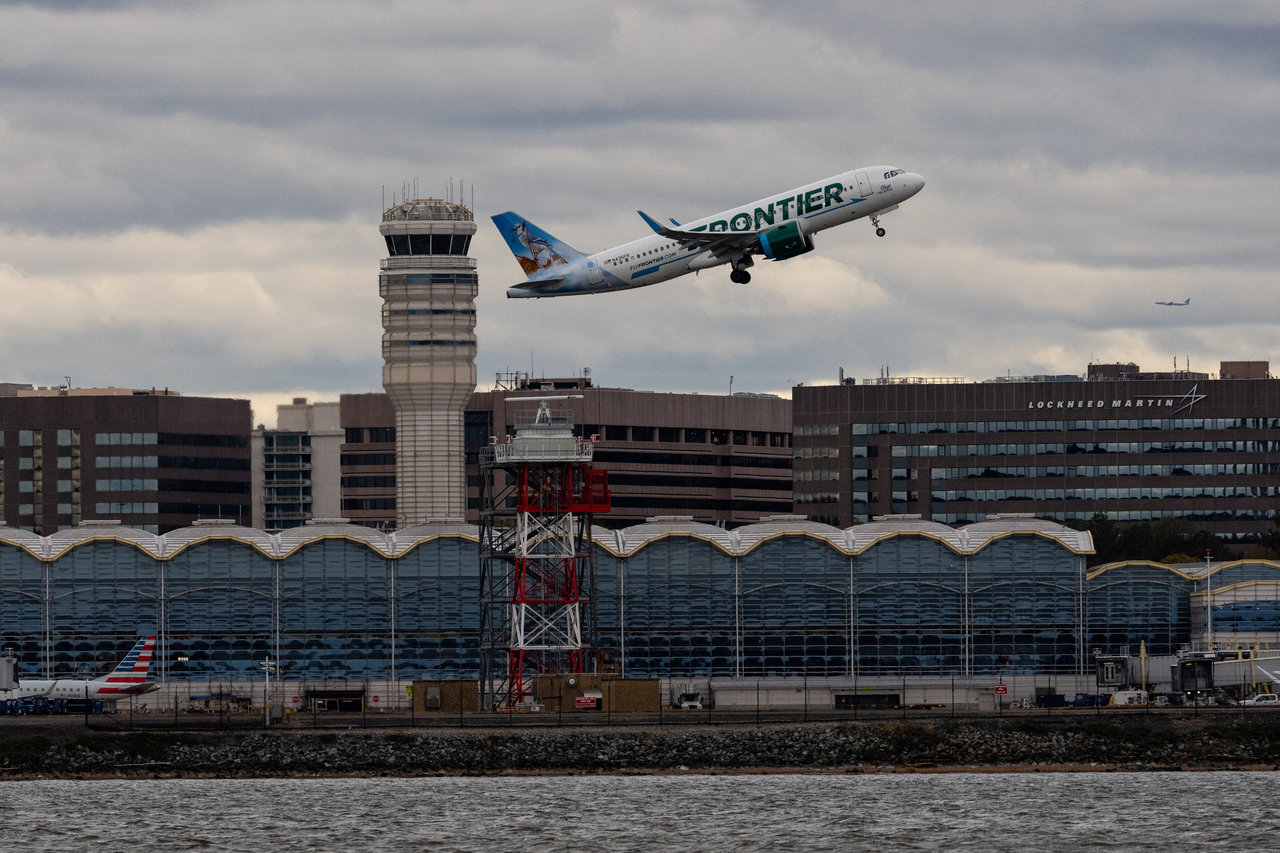
The nationwide ground stop on Friday (local time) — the longest since the Sept. 11 attacks — laid bare the fragility of a US air traffic control system that has long depended on decades-old copper wiring and worn-out equipment. Warnings that a nationwide communications failure could occur during the very process of replacing that aging network had been raised for years, making this week's aviation chaos what critics are calling a preventable, man-made disaster.
According to a Washington Post report and documents from the Government Accountability Office, the US air traffic control communications network relies on copper-wire infrastructure installed in the 1960s. Some of that equipment has been kept in service with insulating tape wrapped around the wiring, and certain routers — core components of the network — carry expiration dates of 2006, meaning gear that should have been replaced 25 years ago is still in use. The copper-wire network is so technologically obsolete that telephone companies no longer support the related technology, the Post reported.
At some control facilities, staff have resorted to scouring eBay for discontinued parts. An air traffic controller who spoke on condition of anonymity told the Post that a part needed for ground radar equipment at one control tower had been ordered from the online marketplace — and took two weeks to arrive.
Friday's disruption itself grew out of the modernization effort. According to the Federal Aviation Administration, technicians installing new equipment at two facilities in Arkansas and Texas on Friday (local time) generated excessive data that overwhelmed the national air traffic control communications network. More than 1,000 connection signals flooded the system every four to five seconds, destabilizing communications at 17 of the country's 22 en-route control centers and ultimately forcing the FAA to issue a nationwide ground stop.
The Post said the risk of large-scale failures during the replacement of aging systems had already been flagged on multiple occasions.
A November 2023 report by aviation safety experts commissioned by the FAA warned that unexpected outages during a transition to a new communications system — a process expected to take more than a decade — could sever communications across the US air traffic control network. The FAA itself had, in July of that year, identified the air traffic control communications network as one of the highest-level risk factors for national airspace safety.
A GAO report released in September said the FAA had been so focused on accelerating its modernization project that it was pressing ahead despite cost uncertainties and the risk of disrupting flight operations. The modernization effort encompasses more than 11,000 individual tasks, yet no integrated master schedule exists to manage them collectively. Without such a schedule, the GAO said, resolving conflicts between tasks, optimizing timelines and minimizing disruptions to air traffic control operations would all become significantly harder.
Questions have also been raised about why the equipment work that triggered the outage was carried out on a Friday afternoon (local time), one of the busiest periods for air travel. Transportation Secretary Sean Duffy said the work had taken place at a facility far from major air routes and that replacing the outdated equipment had been urgent, but he said the timing of future maintenance work would be reviewed.
There are also concerns that safety reviews were not thorough enough before the equipment swap. The Professional Aviation Safety Specialists, the FAA's safety professionals union, said that in the past, FAA employees had assessed risks and coordinated maintenance work whenever outside contractors replaced equipment. In this case, however, union technicians were not involved in the equipment replacement that caused the disruption.
Despite the incident, authorities say they intend to press on with replacing the aging system. Duffy said the outage stemmed from an isolated problem — either a contractor error or an equipment defect — and that the modernization effort could not be slowed.
FAA Administrator Brian Bedford also said the agency must continue the modernization work. "If we don't replace it, it will keep breaking down," Bedford said.
kate01@heraldcorp.com