83% of flexible branches are government-office outlets or unmanned kiosks
Loans to active-duty soldiers restricted; Haetsal Loan oversight tightened
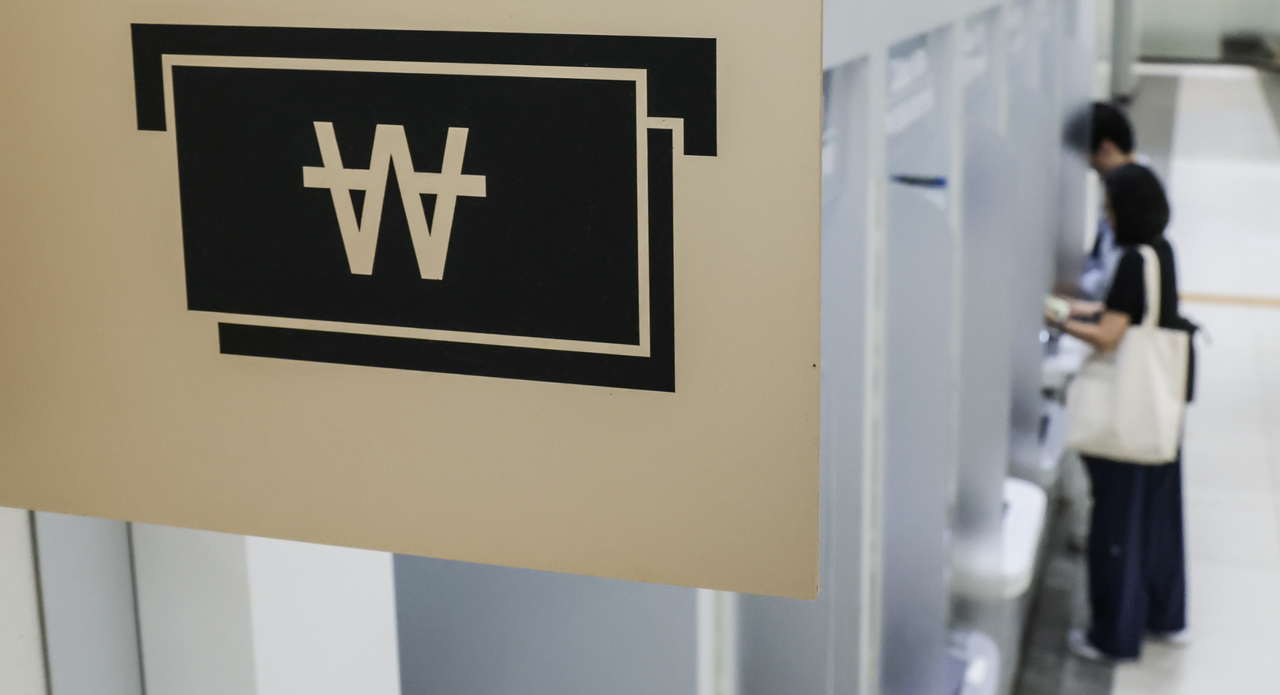
South Korea operates 991 flexible bank branches designed to serve customers outside regular banking hours, but only about 1 in 10 staffed outlets are open on weekends, a financial regulator has found. Critics say the usefulness of the network is limited because a large share of the branches either extend only government-office services or operate entirely through unmanned machines.
The Financial Supervisory Service announced Sunday the findings of its fifth Financial Consumer Protection Advisory Committee meeting, which FSS Governor Lee Chan-jin chaired on Thursday. The session covered seven agenda items, including improvements to flexible branch operations, measures to prevent active-duty soldiers from taking on excessive debt, and tighter post-disbursement management of Haetsal Loan products.
As of the end of September, 823 of the 991 flexible branches — 83.0 percent of the total — were either located inside government offices or operated as high-function unmanned kiosks. Government-office branches numbered 441 (44.5 percent) and unmanned kiosks 382 (38.5 percent), while branches near commercial or office districts accounted for just 108 outlets, or 10.9 percent. Of the 609 staffed flexible branches operating beyond standard hours, 386 — or 63.4 percent — were inside government offices and did not handle general banking transactions after 4 p.m.
Only about 10.6 percent of staffed branches were open on weekends. The total number of bank branches has also been shrinking, falling from 5,831 at the end of 2022 to 5,466 as of late September. Concerns about financial accessibility are growing as banks are set to push back their opening time from 9 a.m. to 9:30 a.m. starting next April.
The FSS said it plans to work with the Financial Services Commission and the banking industry to expand both the operating hours and the range of services offered at flexible branches.
The meeting also took up measures to restrict high-interest lending to active-duty soldiers. Loans extended to active-duty military personnel by the top 30 licensed lenders registered with the FSC surged from 350 million won ($263,000) at the end of 2022 to 24.2 billion won by the end of last year. Investigators found that some lenders had been accepting copies of soldiers' military pay account statements as income verification to issue general credit loans. The FSS plans to draw up standard operating guidelines for the lending industry by year-end to curb the practice.
Post-disbursement oversight of Haetsal Loan products at smaller financial institutions will also be tightened. As of the end of June, overdue Haetsal Loan claims that lenders were entitled to submit to the Korea Inclusive Finance Agency for subrogation but had not yet filed totaled 7,529 cases worth 22.3 billion won. Delays in subrogation can leave delinquent borrowers ineligible for personal debt-restructuring programs run by the Credit Counseling and Recovery Service and expose them to additional late-payment interest. The FSS will conduct regular checks on unfiled claims and expand guidance on debt-adjustment options.
In addition, the FSS plans to extend refund notifications for long-dormant prepaid balances to shopping and food-delivery platforms and shorten the notification cycle from once a year to once every three months. The committee also discussed improvements to insurance policy terms and stronger internal controls for securities firms' digital platforms.

rim@heraldcorp.com