Organizational mood shifts under District Mayor Kim Hyun-ki — daily reconstruction meetings, active policy development and stronger media outreach signal a new era at Gangnam-gu
"Can a district office really change this much just because the district mayor changed?"
That was the question posed by a senior official at Gangnam-gu district office. Reporters covering the office have also noticed a palpable shift in the organization's atmosphere compared with before.
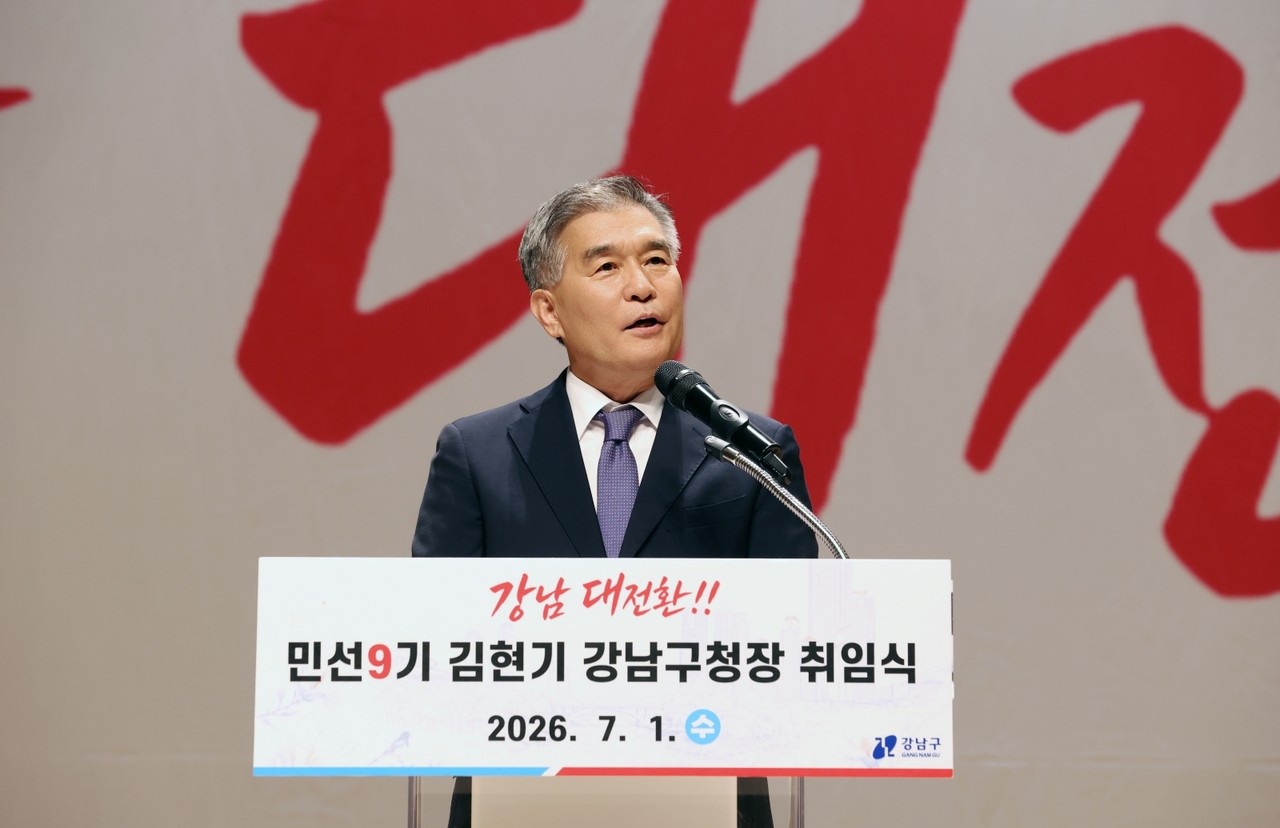
Since District Mayor Kim Hyun-ki took office in the ninth round of local elections, Gangnam-gu has been changing in visible ways. A heightened sense of urgency has spread across the organization, and efforts to develop new policies and projects have grown noticeably more active.
The district office is being described as having transformed into a genuinely results-driven organization.
Another staff member echoed the sentiment. "There is no doubt the atmosphere at the district office has clearly changed since the ninth term began," the official said. "You can see senior managers taking a much more proactive approach."
At the center of this change is Kim's administrative style.
Kim built his career as a veteran aide in the National Assembly before serving four terms as a lawmaker on the Seoul Metropolitan Council and eventually as its speaker. Having gained broad experience in both national and city government — and a sharp grasp of Gangnam's local issues — he was widely expected to bring significant change to the district's administration even before taking office.
In practice, one of the most striking shifts has been in how the district responds to local issues such as reconstruction projects.
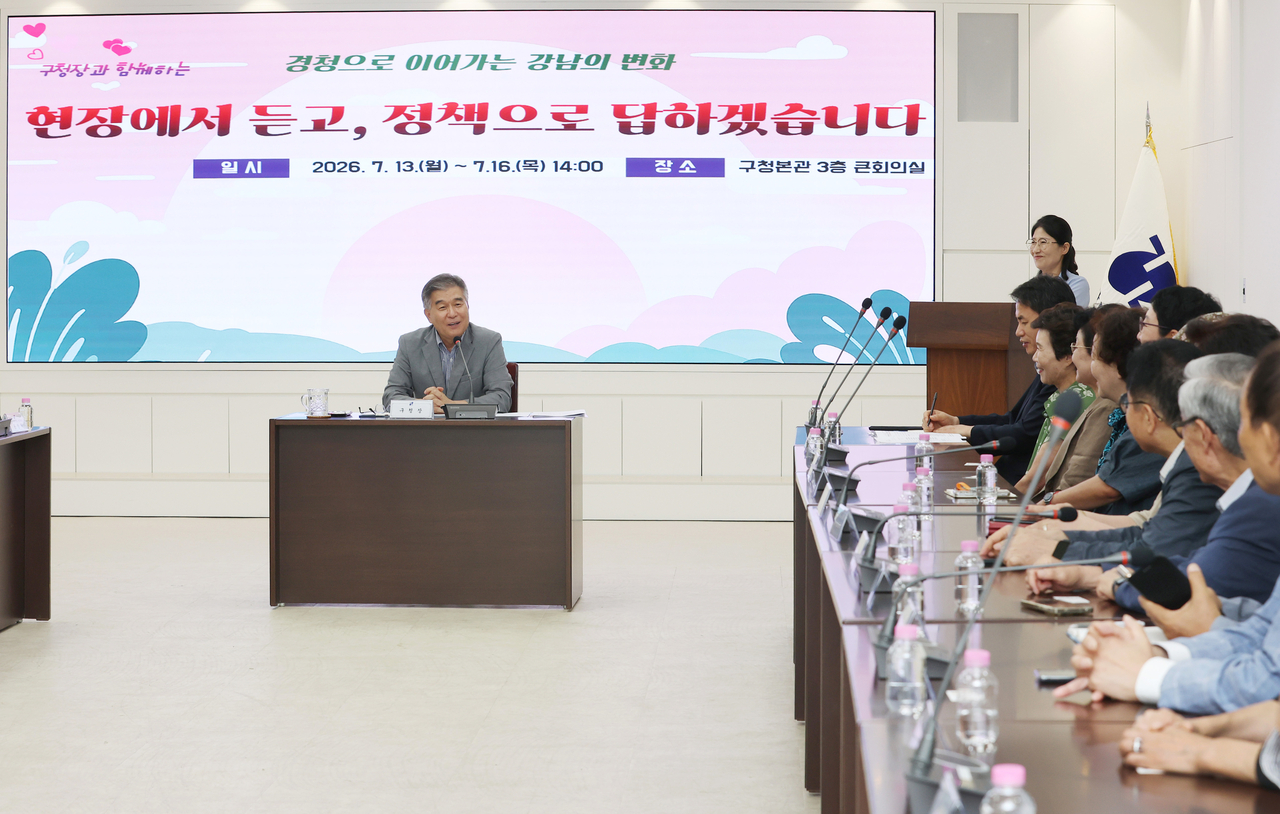
To accelerate major redevelopment projects in the area — including the reconstruction of Eunma Apartment — Kim chairs reconstruction-related meetings every day and personally monitors progress. Rather than simply delegating work to the relevant departments, he directly reviews pending issues and drives the search for solutions.
With the district mayor personally overseeing key issues, senior managers including division and section chiefs have found their schedules considerably busier. A sense of urgency is spreading through the organization: simply repeating existing tasks is no longer enough — officials are expected to identify new projects and policies and deliver results.
Changes are also evident in media relations.
Gangnam-gu now issues up to five press releases a day, reflecting an aggressive push to publicize its policies. The effort goes beyond simply increasing the volume of releases — there is a clear drive to identify issues closely tied to residents' daily lives and new initiatives, and to shape them into content that is genuinely newsworthy.
Much of this stems from Kim's own strong interest in media outreach.
Deputy District Mayor Kim Su-deok has also played a significant role in the transformation.
The deputy district mayor was recruited after District Mayor Kim persuaded Seoul Mayor Oh Se-hoon to release him, and he has drawn on his experience in Seoul Metropolitan Government administration to support the district's policy drive and organizational management. The workload placed on Gangnam-gu's deputy district mayor is said to rival that of director-level officials at the Seoul city government.
Ultimately, analysts say, it is the combination of the district mayor's strong drive, the deputy district mayor's operational expertise and the execution capacity of senior managers that is reshaping the culture at Gangnam-gu district office.
Whether the shift in organizational culture will translate directly into administrative results remains to be seen. The real test will be demonstrating concrete outcomes — tangible progress on reconstruction projects, policies that residents can feel in their daily lives, and improvements in public services.
What does appear clear, however, is that voices within Gangnam-gu district office since the start of the ninth term have been saying the working atmosphere has genuinely changed.
When a district mayor changes, the organization can change — and when the organization changes, the administration can follow. Whether Gangnam-gu's transformation will ultimately deliver results that residents can feel is a question worth watching.
Looking ahead, Kim may want to consider gradually easing the pressure on district office managers next year — sustained high tension is not a pace people can maintain indefinitely. Equal consideration for the staff who deliver services directly to residents will be just as important as the drive for results.
seouldream01@heraldcorp.com