No legal teeth, clashing national interests, major-power absences and funding disputes fuel skepticism; proposals to shift to smaller working-group formats gain traction
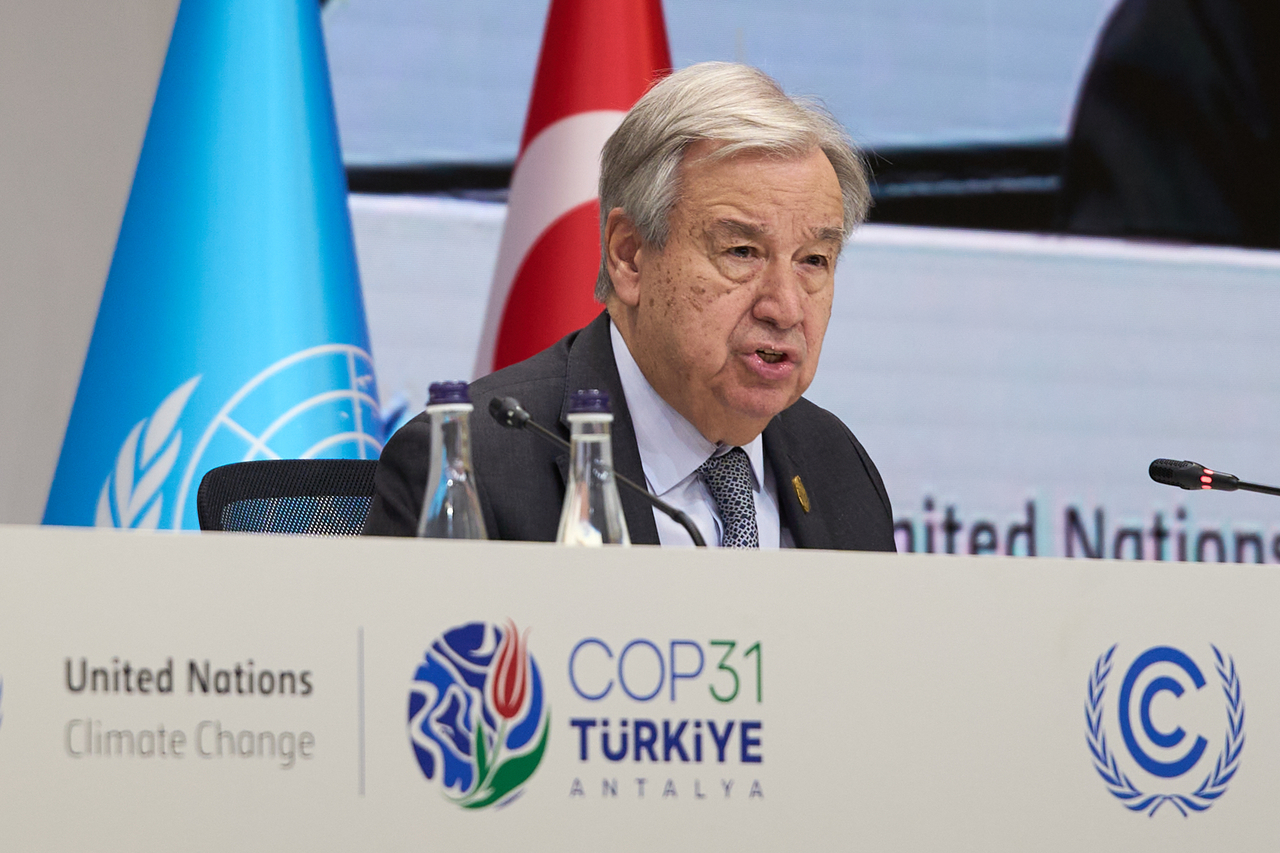
Skepticism about large-scale international environmental summits is nothing new. Critics have long argued that gatherings such as the Conference of the Parties (COP) to the UN Framework Convention on Climate Change consume enormous resources while failing to produce meaningful greenhouse gas reductions or binding commitments. COP30, held in Brazil last year, and the ongoing COP31 in Turkey have both drawn fresh questions about their effectiveness, with leaders of major nations skipping high-level sessions and implementation targets going unmet.
Experts point to structural flaws baked into the process as the primary reason the summits keep drawing calls for abolition.
Chief among them is the unanimity requirement. The UN Framework Convention on Climate Change operates on the principle that all roughly 200 member states must agree before any decision is adopted. The result is a recurring pattern in which oil-producing nations or some developing countries block key provisions, forcing them to be dropped or watered down to nonbinding declarations.
The framework also lacks legal force. Under the Paris Agreement, each country sets its own Nationally Determined Contribution (NDC) — a self-defined emissions-reduction target — but there is no mechanism to penalize a country that falls short. In practice, the global average temperature in 2024 rose 1.55 degrees Celsius above pre-industrial levels, surpassing the existing suppression target.
The absence of major emitters and political leadership compounds the problem. The United States and China — the world's two largest greenhouse gas emitters — along with leaders of the Group of Seven have repeatedly skipped or disengaged from high-level sessions, draining the summits of political momentum.
The divide between developed and developing nations runs just as deep. Wealthy countries press developing ones on emissions accountability, while developing nations demand that rich countries deliver on climate finance pledges — and neither side budges. Negotiations on a global plastics treaty have similarly stalled, with oil-producing states and environmentally focused nations unable to bridge their differences.
Critics also note the irony that tens of thousands of participants flying in on private jets and commercial flights generate enormous carbon emissions — directly undermining the environmental goals the summits are meant to advance.
Even so, defenders of the process argue the summits still serve a purpose.
COP remains the only formal multilateral body where roughly 200 nations gather to discuss the climate crisis and hold one another accountable. The targets it produces serve as a signal that shapes government policy and sets benchmarks for multinational corporations' renewable energy investment.
This year's host, Turkey, has put forward a "35-by-35" campaign pledge — a goal to raise electricity's share of total final energy consumption worldwide to 35 percent by 2035.
Countries joining the pledge have been asked to use the summit as an opportunity to share their electrification policies and implementation plans, a move expected to prompt shifts in national energy policy.

As calls to scrap the summits grow louder despite their acknowledged value, pressure is mounting for structural reform to overcome the limitations of the unwieldy mega-conference format.
One proposal gaining support would extend the interval between full summits to every five years, while refocusing the annual process on smaller, working-level meetings centered on major emitters and specific sectors — shifting the emphasis from grand declarations to concrete implementation reviews.
[Sejong Baekbeul] is a column by The Korea Herald's Sejong-based correspondent covering informal government briefings, the subtext behind policy announcements, and behind-the-scenes stories from the bureaucratic world. The series aims to deepen readers' understanding of policy while sharing the lighter side of civil servant life.
thlee@heraldcorp.com