120 km through Sokcho and Gangneung in Gangwon Province
ES90: an EV that pairs silence with Bowers & Wilkins audio
S90: a mild hybrid built for rear-seat comfort
Both deliver effortless high-speed performance
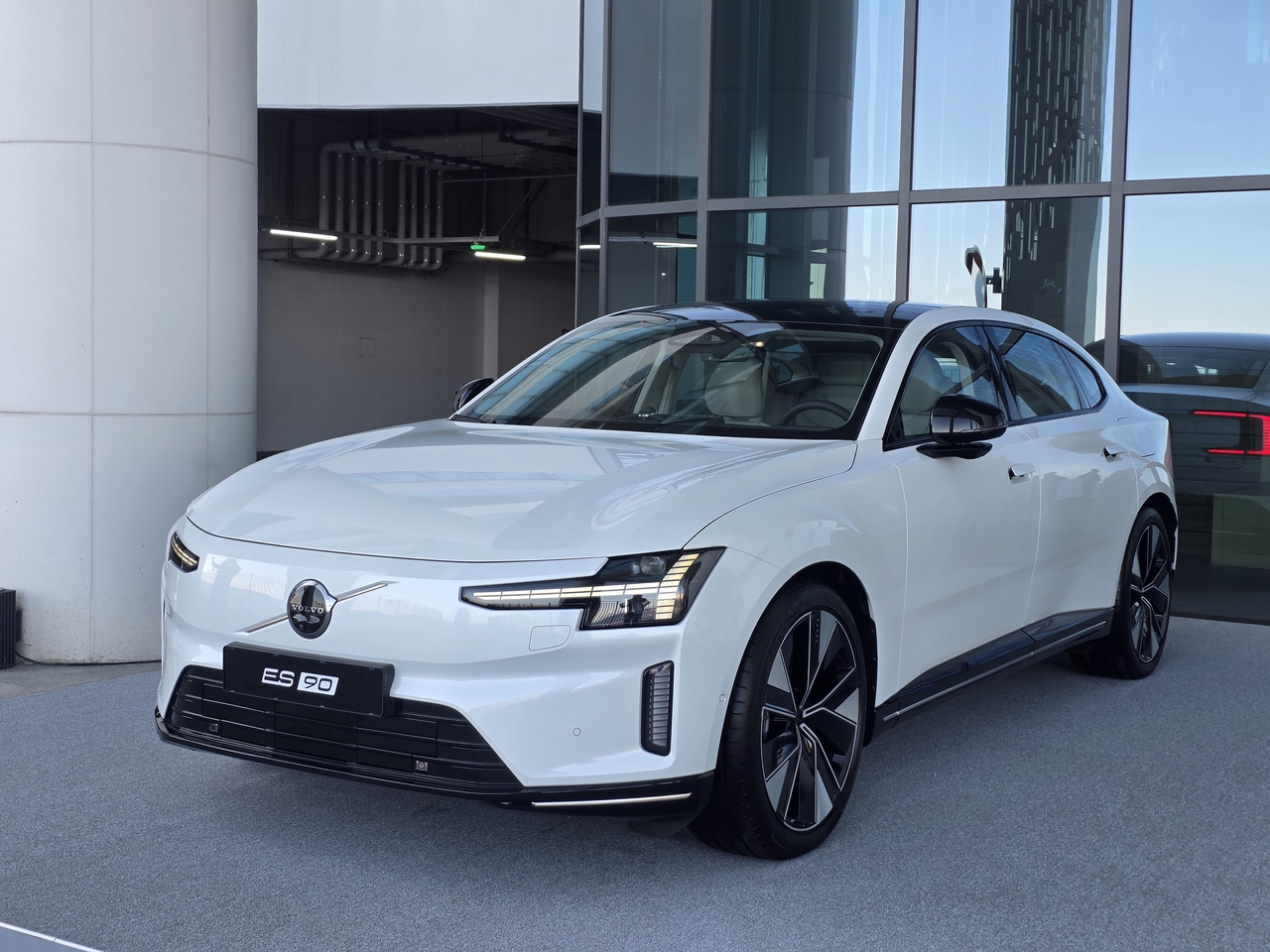
Volvo's flagship sedans, the ES90 and the S90, occupy the same top tier of the lineup but point in clearly different directions. The ES90 is a fully electric vehicle that leads with software and technology, while the S90 B5 mild hybrid leans into a stately character and a generous rear cabin. Together they give buyers within a single brand two distinct paths depending on their lifestyle.
On Tuesday, both cars were driven in alternating turns across roughly 120 kilometers of roads around Sokcho and Gangneung in Gangwon Province. The test vehicles were the ES90 Single Motor Extended Range Ultra and the S90 B5 Ultra. The differences between the two — in exterior and interior design, use of space and driving feel — were unmistakable.
ES90 for cargo, S90 for rear-seat space
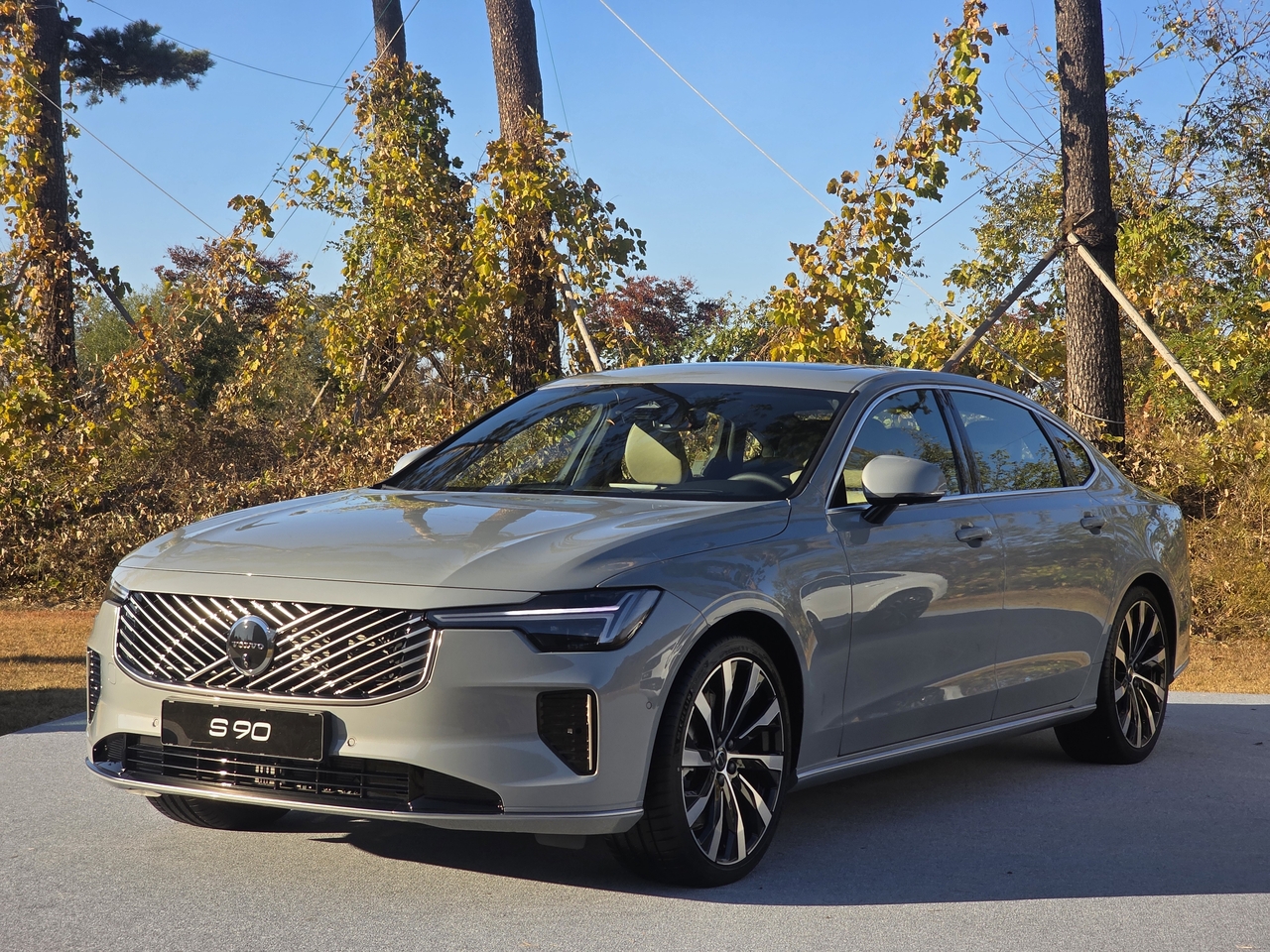
Both cars share Volvo's signature Thor's Hammer headlamps, yet each interprets the exterior differently. The ES90 adds rectangular detailing to the headlamps for a clean, minimalist look, while the S90 uses slim headlamps and a front grille to project a more traditional sense of luxury.
Their silhouettes and approaches to interior space also diverge. The ES90 adopts a fastback profile, with the roofline sloping gently toward the rear. Volvo says the body and ground clearance sit higher than comparable models, and the drag coefficient of 0.25 is the lowest of any vehicle in the Volvo lineup.
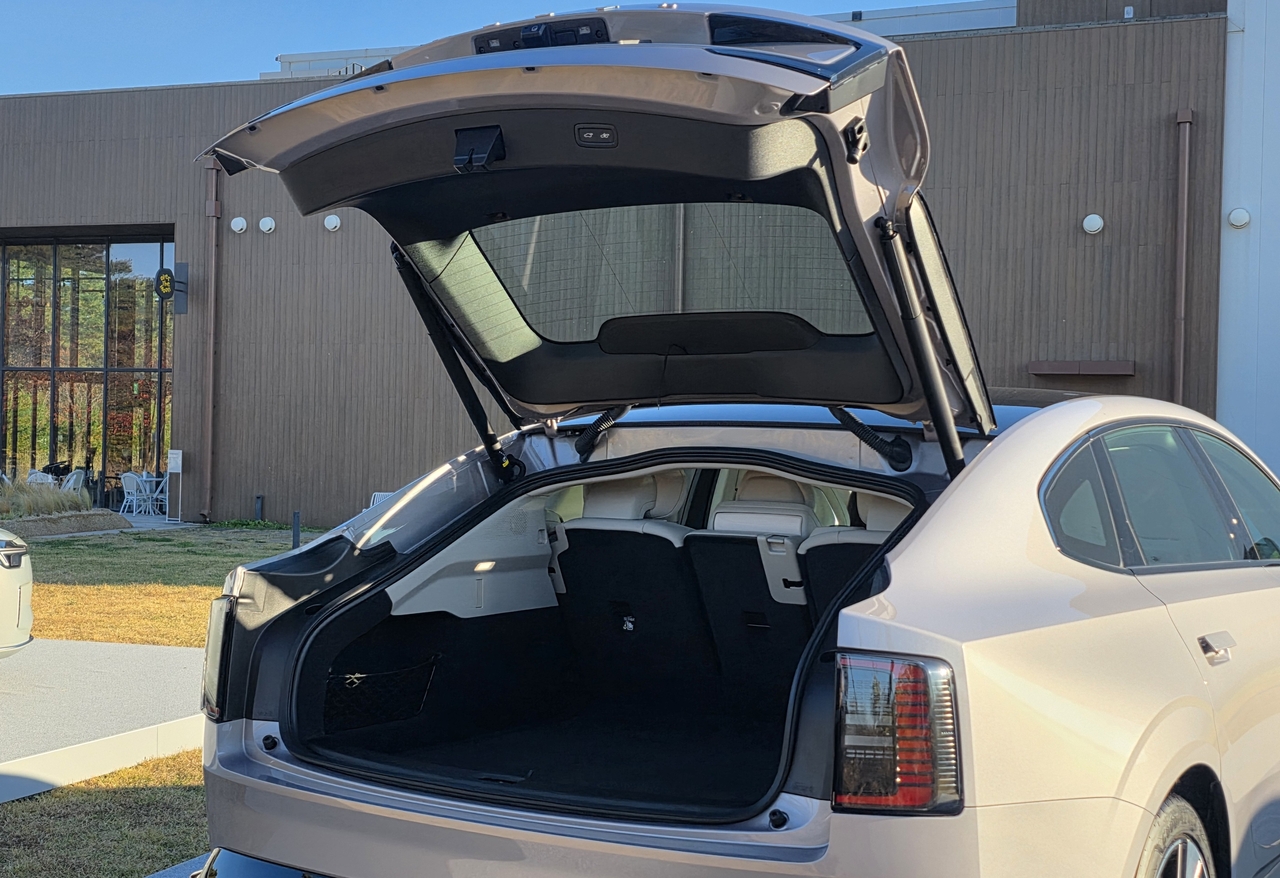
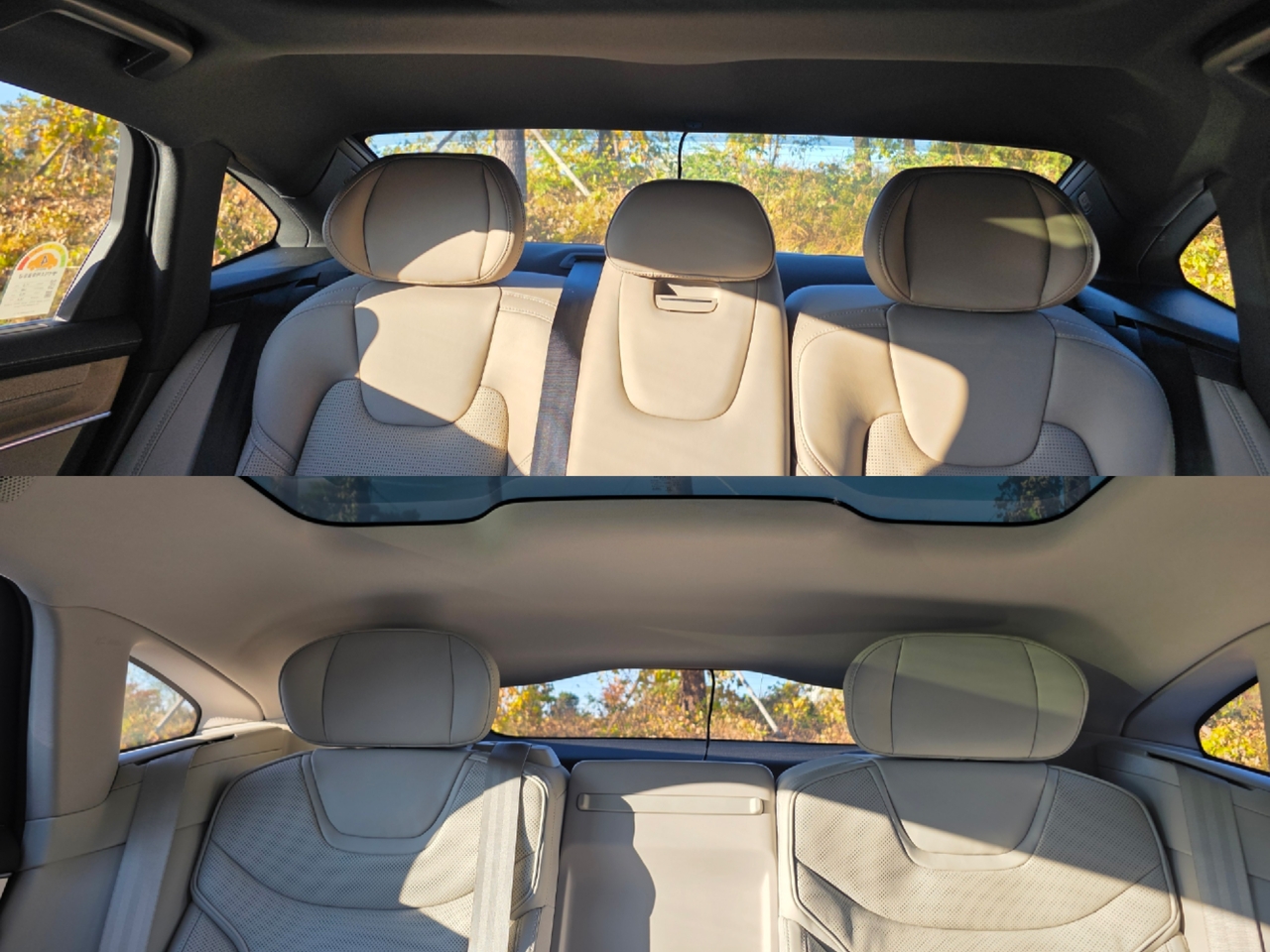
The trunk opens as a liftback — the rear glass lifts with the tailgate — making it easy to load bulky items. Base cargo capacity is 409 liters, expanding to 1,445 liters with the rear seats folded. The 3,102-millimeter wheelbase leaves adequate knee room, but the fastback roofline means the rear cabin feels less spacious in practice than the S90's.
The S90 is defined by its long, low body — 5,090 millimeters in length and 1,445 millimeters in height — with a 3,060-millimeter wheelbase devoted generously to rear-seat occupants. Both legroom and headroom in the back are ample. The Ultra trim adds a rear luxury armrest, power side sun blinds and a rear-window sun curtain, making it a credible chauffeur-driven vehicle. Buyers who prioritize rear passengers should lean toward the S90; those who carry a lot of cargo will find the ES90 the better fit.
Displays in the ES90, physical buttons in the S90 — Swedish luxury throughout
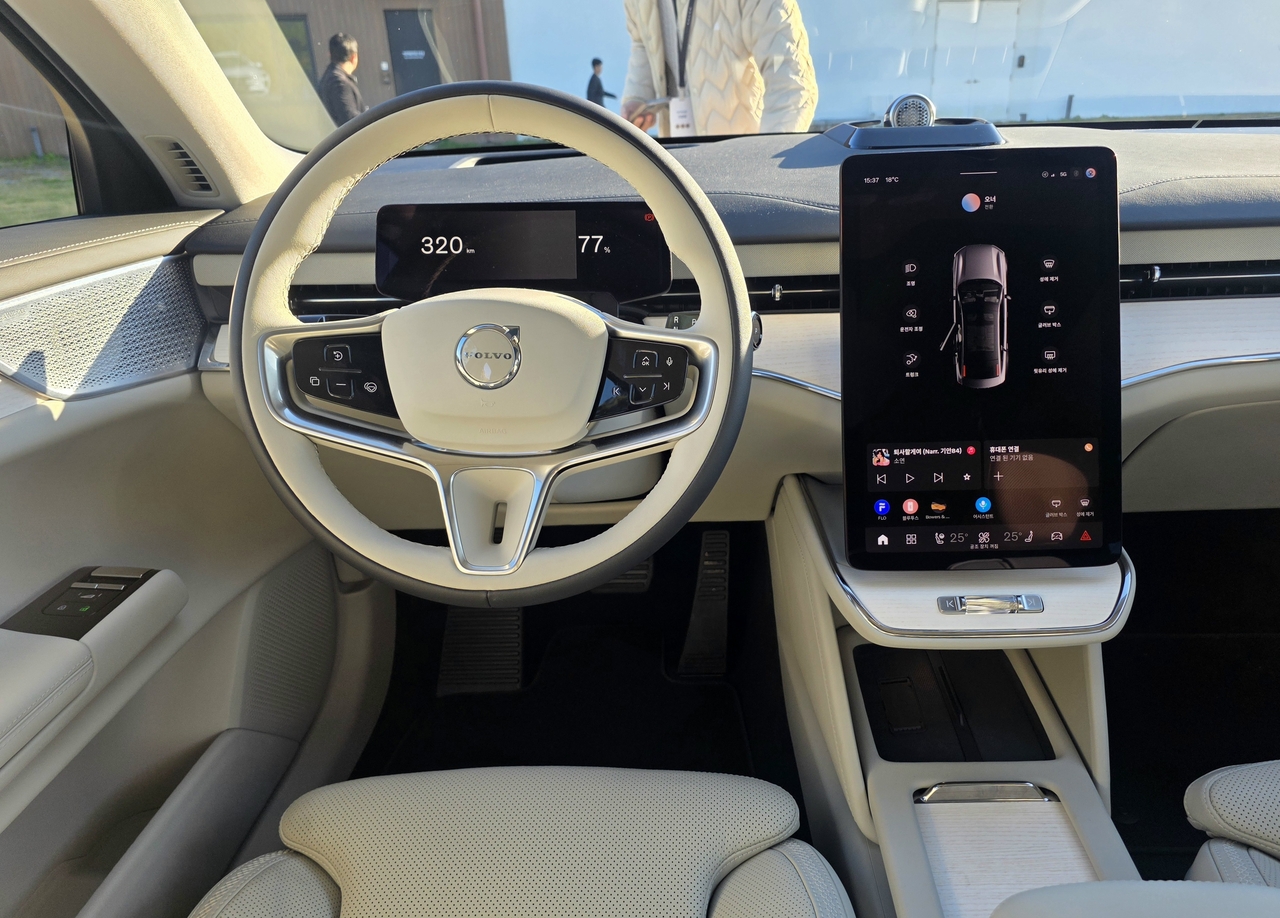
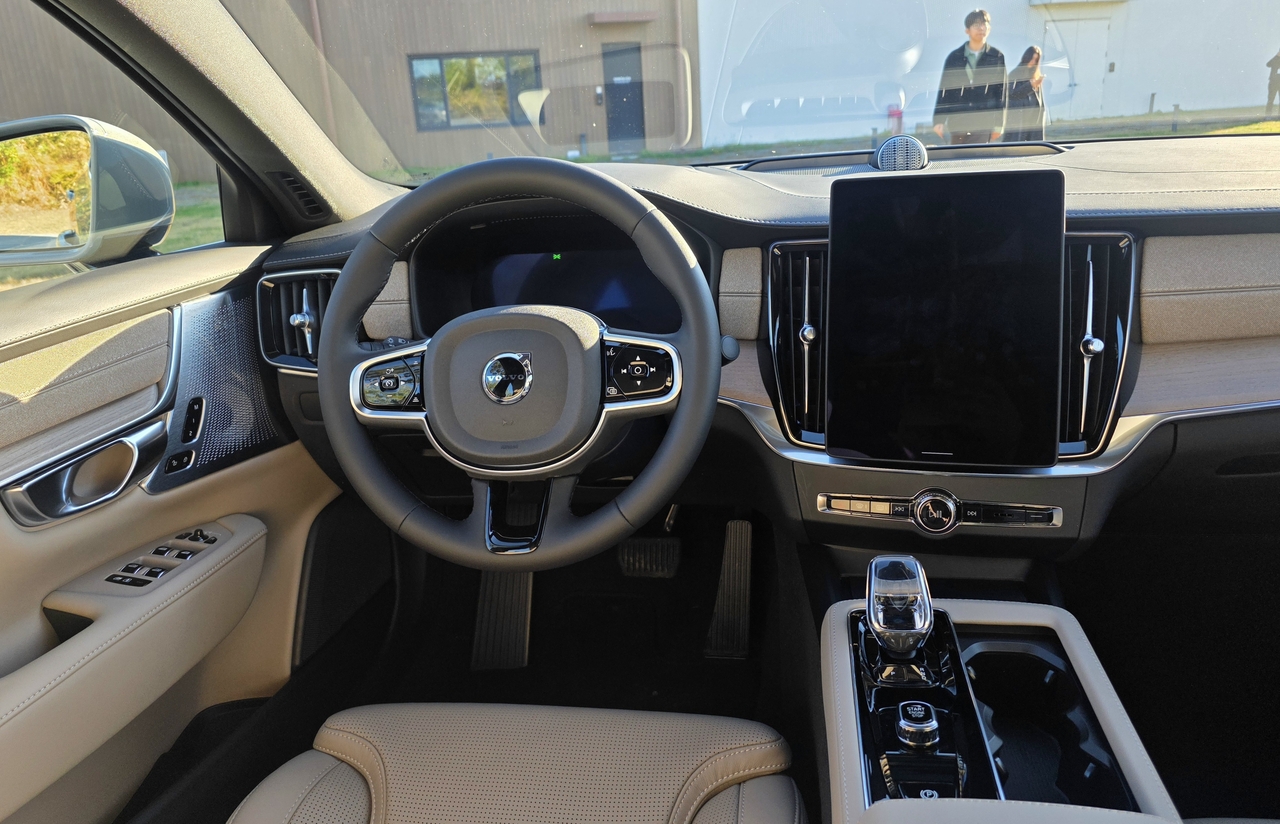
The most striking aspect of the ES90's interior is the near-total absence of physical buttons. Adjusting the cabin temperature, repositioning the steering wheel and opening the glove box all require navigating the 14.5-inch center display. To keep the button count down, Volvo even moved the rear window controls off the driver's door. The Ultra trim's electrochromic glass roof changes the transparency of the overhead glass at the touch of a single button. The cabin feels distinctly futuristic, though growing comfortable with the interface takes time.
The S90 takes the opposite approach, embracing familiarity. The gear knob crafted from Orrefors Swedish crystal is retained, and most functions are operated through physical buttons. The 11.2-inch center display has noticeably thick bezels that give it a slightly dated look, and Android Auto requires a USB cable connection — a limitation that felt out of step with the car's price point. That said, being able to reach any function directly through a button made everyday use straightforward. The roof features a power panoramic sunroof with a shade that can block out light entirely.
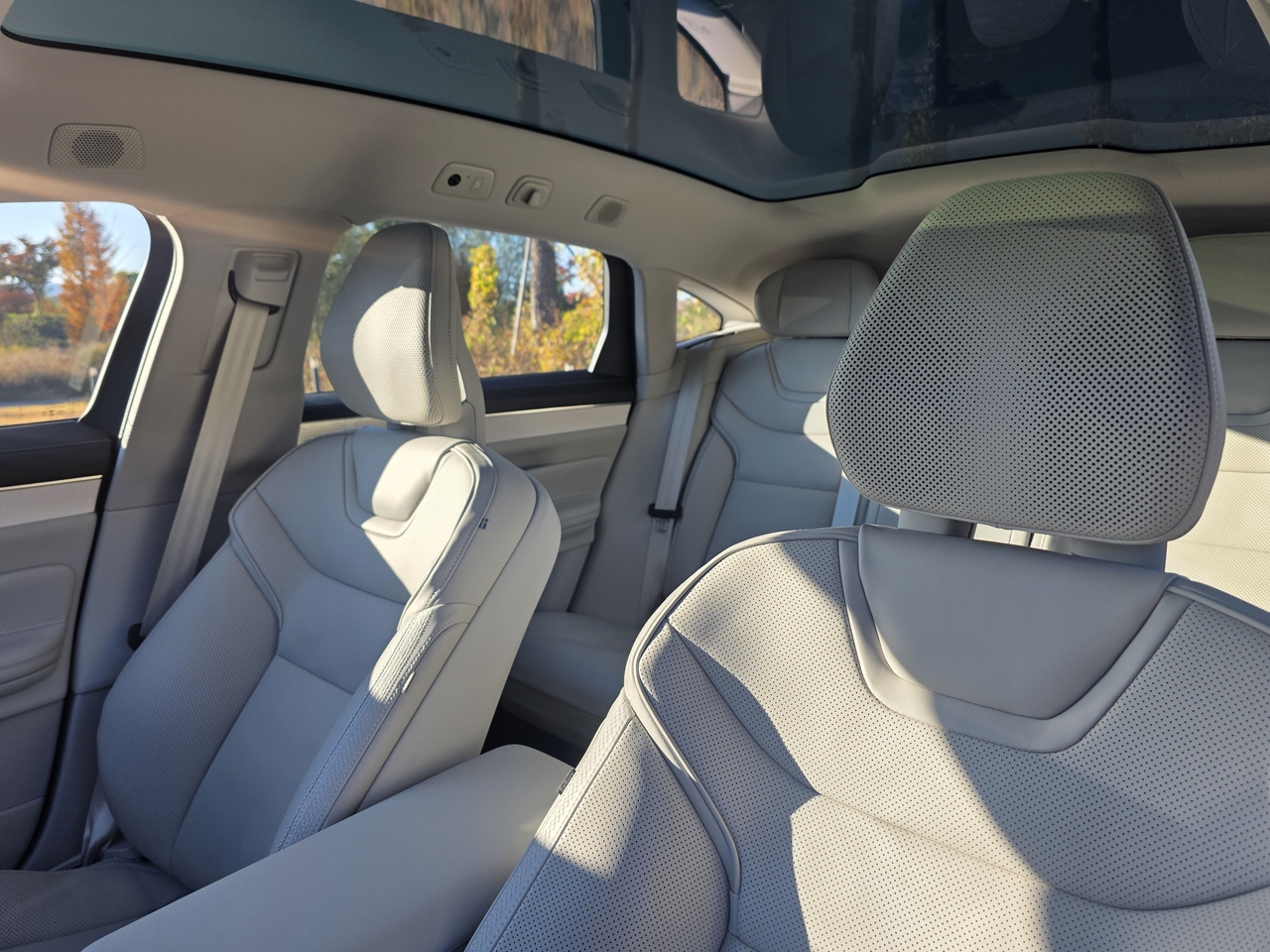
Interior fit and finish is premium in both cars. Volvo's stated concept is "a Scandinavian living room." The ES90 wraps the cabin in wide wood trim and embeds backlit lighting in the dashboard, door panels and front seatbacks, so that when the light fades, soft patterns emerge across the decorative panels. The S90 pairs wood trim with integrated lighting on the dashboard alongside upholstery made from 100 percent recycled polyester textile. Both cars come with Nappa leather seats in the Ultra trim.
Big cars, effortless pace — but ES90's software needs work
Neither car wants for power. The ES90 Single Motor rear-wheel-drive model, equipped with a 92-kilowatt-hour battery, produces 333 horsepower and 49.0 kgf·m of torque. Even without the top-tier powertrain, acceleration on the highway felt unhurried and confident. The rated range on a single charge is 462 kilometers under combined-cycle conditions at normal temperatures.
The inherent quietness of an electric vehicle is amplified by Volvo's audio system. The Ultra trim includes a Bowers & Wilkins sound system with 25 speakers rated at 1,610 watts. Speakers are also built into the front headrests to enhance the sense of acoustic space.
The S90 B5 pairs a 2.0-liter turbocharged gasoline engine with a 48-volt mild hybrid system for a combined output of 250 horsepower. Despite the car's substantial size, there was no sense of strain at highway speeds. Combined fuel economy is 11.5 kilometers per liter. The trade-off for carrying an engine is that cabin refinement falls short of the ES90's.
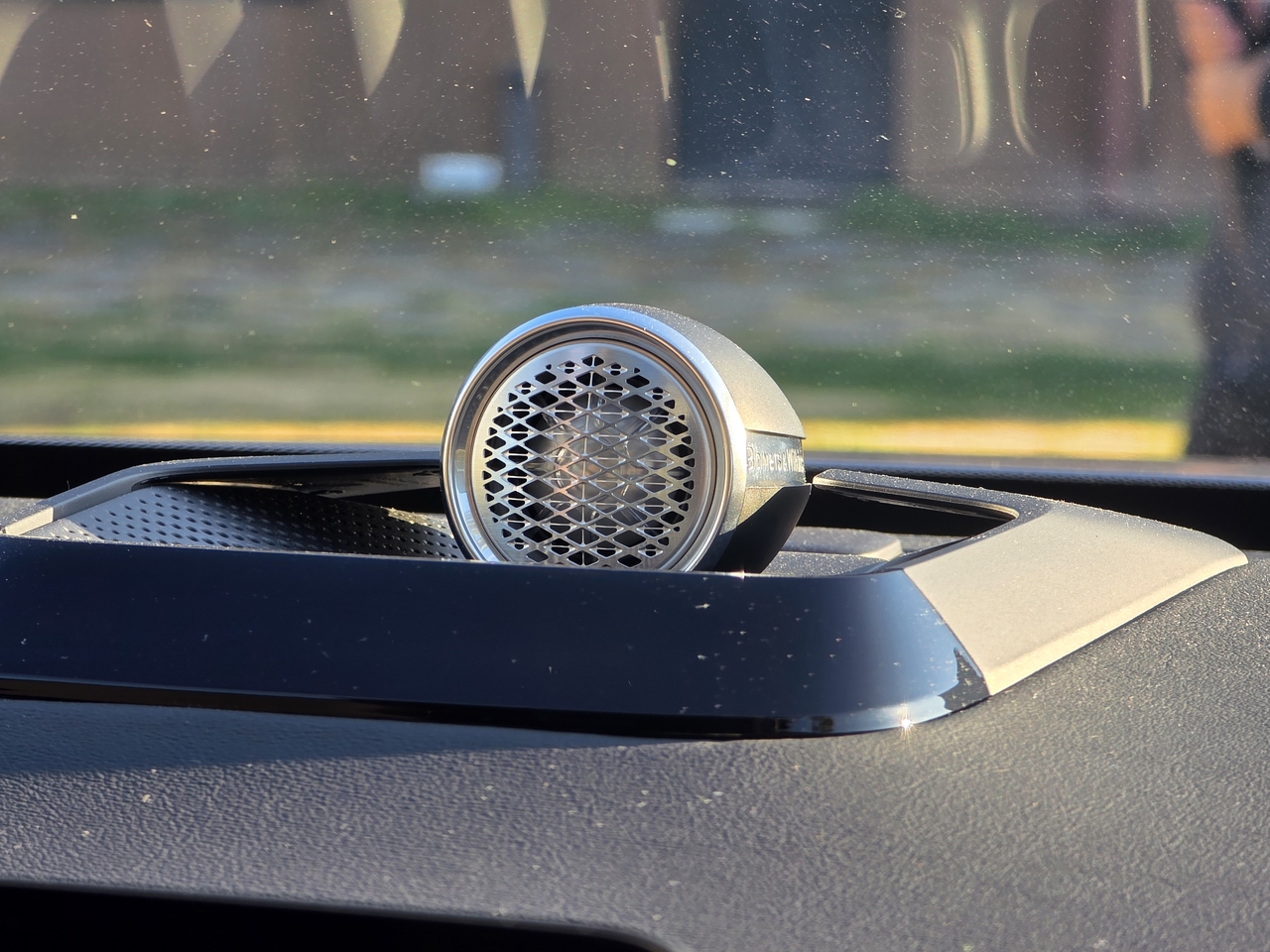
Audio is also a strength of the S90. Its Bowers & Wilkins system comprises 19 speakers rated at 1,410 watts. Unlike the ES90, there are no headrest speakers, but a tweeter center speaker at the top of the dashboard and roof-mounted speakers combine to deliver a listening experience that more than satisfies.
The ES90's software-centric design did leave some frustrations. Immediately after setting off, the media audio, navigation prompts, turn signal sounds and even the hazard warning tones all fell silent. A long press of the volume button below the center display reset the system and resolved the issue, but diagnosing the problem was unsettling. Given that turn signal sounds are directly tied to safety, the software will need to be more reliable.
Rear visibility is another area that needs attention. The fastback design results in a small rear window that makes checking behind the car through the rearview mirror awkward. A digital rearview mirror displaying a camera feed would go a long way toward solving the problem.
The ES90 Single Motor Extended Range Ultra is priced at 80.55 million won ($60,500), rising to 83.41 million won with the air suspension option. The S90 B5 Ultra starts at 73.9 million won.
eyre@heraldcorp.com