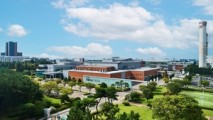
Large-scale projects in Jayang-dong and Junggok-dong to bring thousands of new homes; Seoul's first Moa Housing project completed in the district
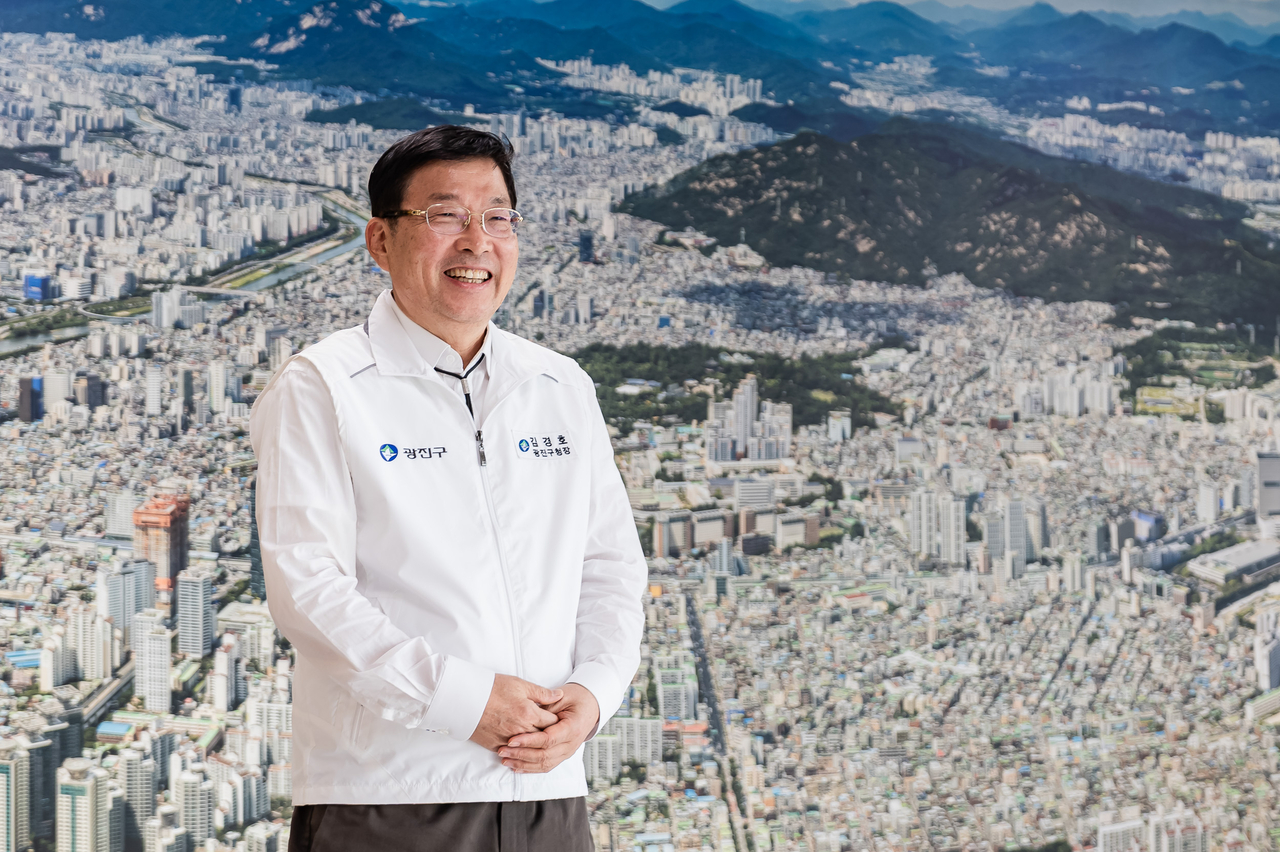
Gwangjin-gu in Seoul is pushing ahead with a sweeping overhaul of its aging residential neighborhoods, driving 75 redevelopment and reconstruction projects alongside smaller-scale Moa Town initiatives.
The district is pursuing both large-scale redevelopment and reconstruction and small-scale housing improvement projects suited to low-rise residential areas, accelerating efforts to upgrade living conditions tailored to each neighborhood's character.
Gwangjin-gu announced Friday that it is concentrating its administrative resources on completing what it calls a "premium residential complex" — a flagship goal of the current district administration — by streamlining procedures through the city's fast-track integrated planning system and strengthening dedicated management for each project.
The district is currently overseeing 75 housing improvement projects: 17 residential-type redevelopment projects, two urban renewal-type redevelopment projects, seven reconstruction projects, 15 Moa Town projects, three small-scale reconstruction projects and 14 block housing improvement projects.
Among the large-scale projects, Zone A in Jayang 4-dong stands out. A residential complex of up to 49 stories, comprising 19 buildings and 2,999 units, is planned for a roughly 139,000-square-meter site around 57-90 Jayang-dong. The project has secured an 80.56 percent resident consent rate and received approval to establish a reconstruction association, and is now preparing for an integrated review.
The Geukdong Apartment reconstruction in Gwangjang-dong and the Jayang 3-dong redevelopment project have both completed the designation of their improvement zones and are preparing to establish reconstruction associations. The Geukdong Apartment project will be rebuilt as a complex of up to 49 stories with 12 buildings and 2,049 units. A residential complex of up to 49 stories with 11 buildings and 1,030 units is planned for the area around 227-147 Jayang 3-dong.
Redevelopment activity is also picking up in Junggok-dong. Zone A in Junggok 1-dong had its improvement plan and zone designation proposal conditionally approved at a Seoul Metropolitan Government review on Sept. 28. The plan calls for a waterfront residential complex of up to 35 stories with 2,200 units around 254-15 Junggok-dong. A reconstruction project for Sinhyang Villa in Junggok 4-dong is also under way, targeting a complex of up to 20 stories with six buildings and 339 units.
Smaller housing improvement efforts have also yielded tangible results alongside the large-scale projects. Hanyang Yeonlib in Jayang-dong — the first project under the Seoul Metropolitan Government's Moa Housing program — was completed in September after two and a half years of construction and has begun accepting residents. The aging low-rise complex of 99 units has been transformed into a four-building, 215-unit apartment development spanning two below-ground floors and 15 above-ground floors.
Gwangjin-gu plans to apply lessons from this project to other small-scale housing improvement initiatives to boost overall efficiency.
The district has also reorganized its administrative structure. On July 31, it established a Housing Bureau and a new Moa Housing Division. Large-scale redevelopment and reconstruction projects are now handled by the Residential Projects Division, while Moa Town and small-scale housing improvement projects fall under the Moa Housing Division — a structure designed to sharpen expertise and accountability. The district plans to conduct regular reviews of project-specific issues and coordinate with the Seoul Metropolitan Government and other relevant agencies to minimize administrative delays.
The district is also strengthening its foundation for community engagement. Zone-specific counseling centers provide tailored consultations for each project site, while a housing improvement academy helps residents understand the complex procedures involved. Community forums give residents a platform to voice concerns and allow the district to mediate conflicts that arise during the process.
Earlier, Gwangjin-gu expanded the area eligible for redevelopment 90-fold compared with the previous administration and established the "2040 Gwangjin Recreation Plan" to lay the groundwork for housing improvement. Under the current administration, the district's first official directive was a plan to accelerate the completion of premium residential complexes, further reinforcing its commitment to the projects.
"We will improve the residential environment and enhance the quality of life for district residents through swift housing improvement projects," Gwangjin-gu District Mayor Kim Kyung-ho said. "We will keep communicating with residents and actively resolve conflicts on the ground to create a premium residential city where everyone wants to live — a happy Gwangjin-gu that is comfortable for all."
seouldream01@heraldcorp.com