Second session held Thursday at Seoul Museum of History
City explains registration push, regulatory changes
Nearby residents voice fears over redevelopment delays
Seoul vows to balance heritage preservation with residents' lives
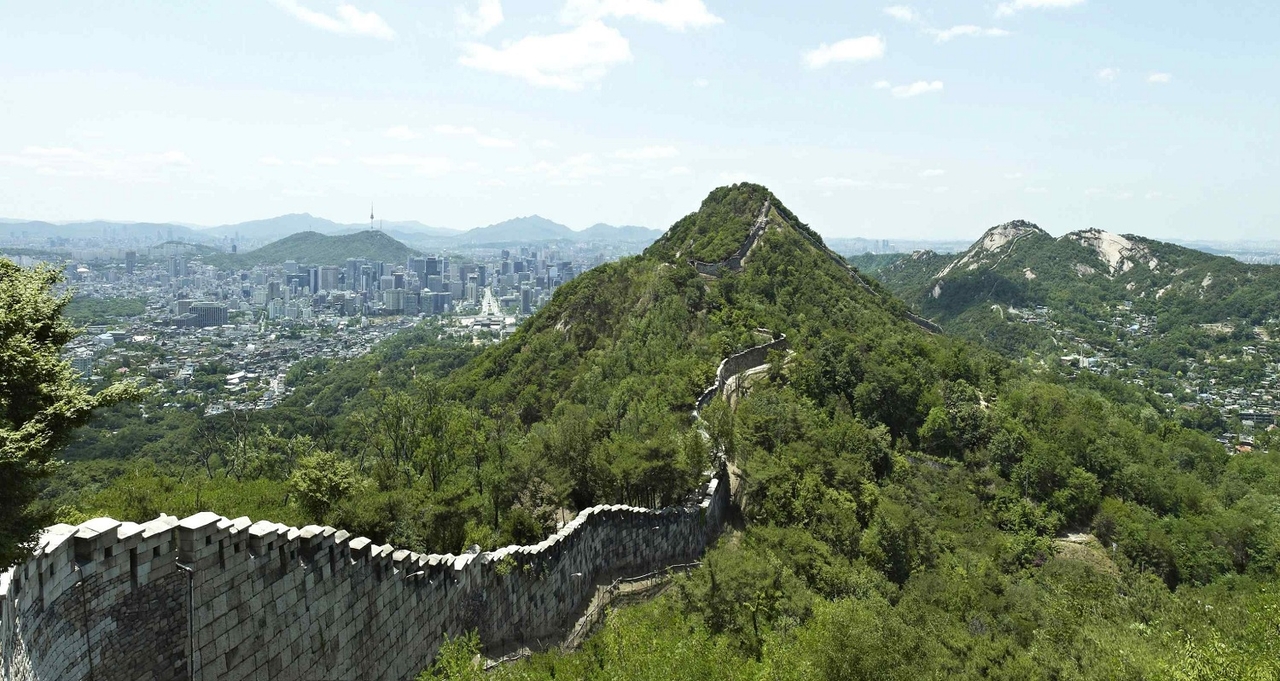
The Seoul Metropolitan Government held a second public information session Thursday at the Seoul Museum of History to update residents on its push to inscribe the "Hanyang Capital Fortress" on the UNESCO World Heritage List and to gather public input on related regulatory changes. However, some residents living near the fortress have raised concerns that a World Heritage designation could delay redevelopment projects in the area.
The Hanyang Capital Fortress is a Joseon-era capital defense system stretching 42.75 kilometers and comprising three fortifications: Hanyangdoseong, Bukhansanseong and Tangchundaeseong. Seoul is working with the Cultural Heritage Administration, Gyeonggi Province and Goyang to complete the necessary procedures with the goal of securing UNESCO World Heritage status next year.
Among residents, the chief concern surrounding the inscription bid is how the regulatory landscape will change once the site is listed. Particularly relevant is the World Heritage Impact Assessment system, which took full effect following an amendment to the enforcement decree of the Special Act on the Conservation, Management and Utilization of World Heritage Sites in March this year. Residents have raised questions about how a future World Heritage zone designation could affect development projects in surrounding areas.
Jung-gu recently submitted a petition to the Seoul Metropolitan Government, the Cultural Heritage Administration, UNESCO and the International Council on Monuments and Sites carrying the signatures of about 3,500 residents opposed to the inscription bid. The petition stated that listing the fortress as a World Heritage Site could delay urban renewal and redevelopment projects and restrict residents' property rights.
In response, the city used Thursday's session to outline the current status of the inscription effort and explain the regulatory changes introduced by the decree amendment and their potential local impact. Presentations by the Cultural Heritage Administration and the Seoul Metropolitan Government were followed by a question-and-answer session, during which residents and other stakeholders shared their views on the regulatory changes.
The session was organized for residents in the southeastern zone — covering the Naksan and Namsan sections — following a session held Thursday at Gwanghwamun Art Hall for the northwestern zone, which covers the Inwang and Bugak sections.
After the session, the city plans to continue collecting public feedback by post and fax through Dec. 11.
Min Su-hong, head of the Seoul Metropolitan Government's Culture Bureau, said the session was designed to inform residents about the progress of the inscription effort and the related regulatory changes, and to hear their questions and opinions directly. "We will continue to consult closely with relevant agencies to ensure that heritage preservation and residents' daily lives can be brought into harmony," Min said.
ikson@heraldcorp.com