Sales rise 4.2% to 1.53 trillion won
Fuel costs up 147.2 billion won; maintenance expansion adds pressure
Off-season flight suspensions, expanded codeshare with Korean Air planned for Q4
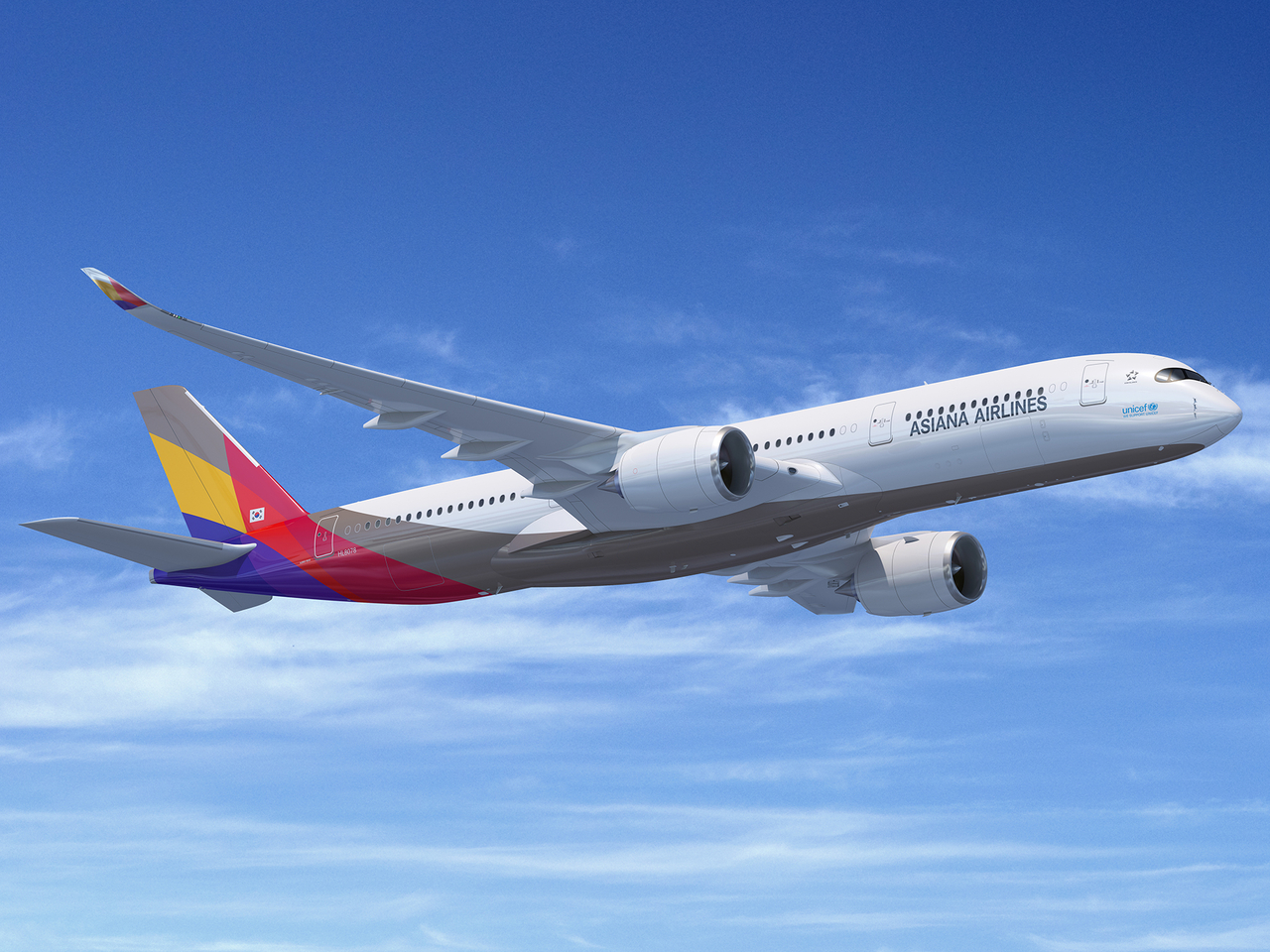
Asiana Airlines reported a standalone operating loss of 179 billion won ($134 million) for the third quarter of this year, the airline said Thursday. The company attributed the result to persistently high oil prices, increased spending on safety and customer service, and rising costs tied to its merger preparations.
Sales reached 1.53 trillion won, up 4.2 percent from the same period last year. The operating loss followed a 175.7 billion won deficit in the year-earlier quarter, widening by 3.3 billion won.
Net profit for the period came in at 179.4 billion won, swinging to a profit from a net loss of 304.3 billion won a year earlier, as foreign-currency translation gains boosted the bottom line.
Passenger revenue rose 9.7 percent to 1.27 trillion won. The airline said expanding high-yield short-haul routes and adding flights on European routes during the summer peak season improved per-passenger yield by 18.1 percent and lifted the load factor by 1.2 percentage points.
Cargo revenue fell 47.4 billion won to 96.6 billion won, reflecting the sale of its freighter division in August last year.
Higher costs drove the wider operating loss. Fuel expenses rose 147.2 billion won, while spending on safety-related maintenance increased. Costs for improving in-flight meal menus, cabin interiors and lounge upgrades were also reflected in the results.
The net profit swing was driven by exchange-rate movements. As the quarter-end settlement rate fell from 1,402 won to 1,358 won per dollar, the company recorded 460.4 billion won in foreign-currency translation gains, improving the net result by 483.7 billion won from the same period a year earlier.
Asiana Airlines said it expects the fourth quarter to bring a seasonal slowdown along with continued volatility in oil prices and exchange rates. In response, the airline said it would minimize losses by temporarily suspending flights on some unprofitable routes and strengthen its sales network by expanding codeshare operations with Korean Air.
The airline also plans to enhance fleet competitiveness by rolling out Starlink to more aircraft and to expand mileage redemption options for customers.
The company said it would focus its efforts on a stable launch of the combined carrier and do its utmost to ensure customer convenience throughout the integration process.
eyre@heraldcorp.com