Logistics subsidiary to anchor 1 trillion won infrastructure push through 2030
Personal AI agent app to launch this year, handling bookings and payments
AI factory secures 2 trillion won supply deal; first revenue expected next year
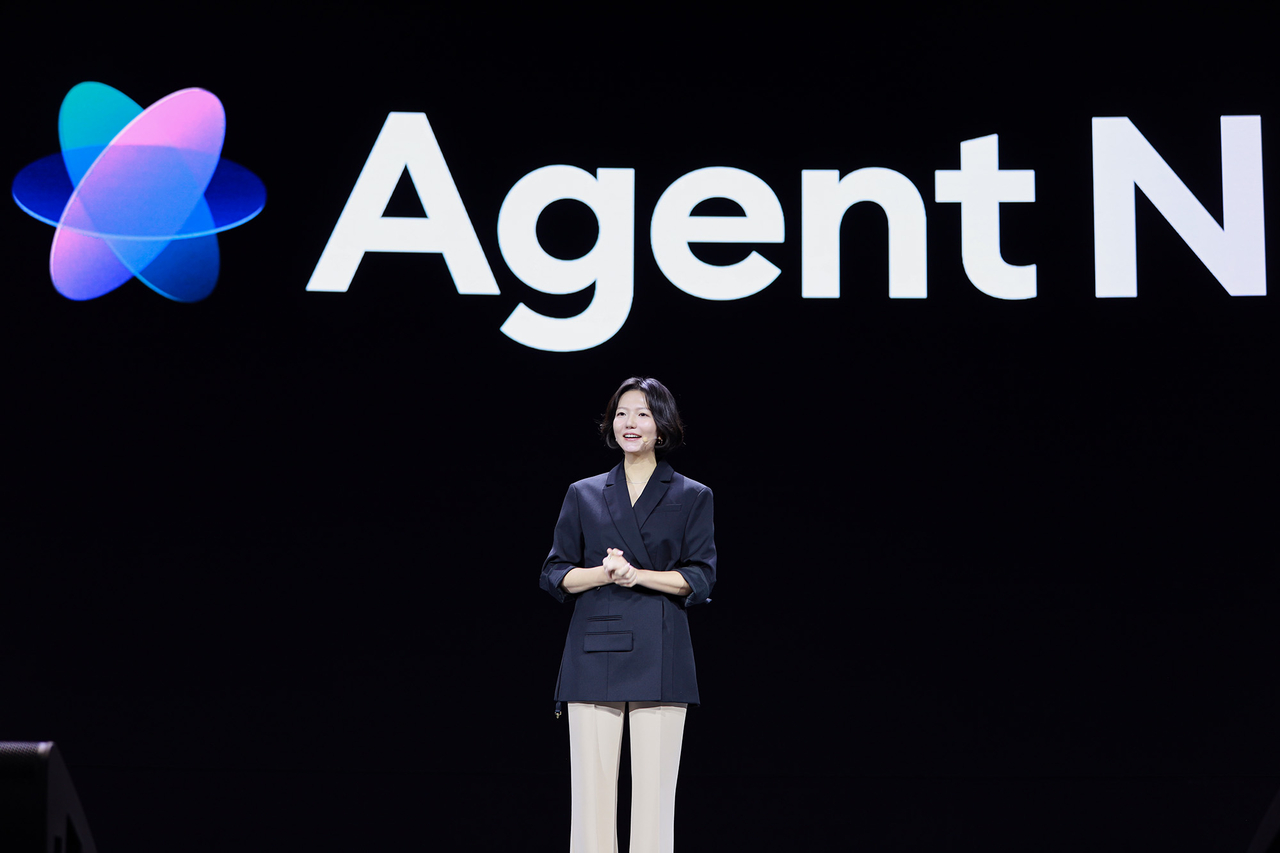
Naver, which posted record-high quarterly sales in the third quarter of this year, plans to establish a dedicated logistics subsidiary to expand its commerce business. The company intends to invest around 1 trillion won ($748 million) in infrastructure through 2030 as it makes a full-scale push into the delivery market.
Naver is also broadening its AI business across both services and infrastructure. The company plans to launch a personal AI agent app this year that can handle tasks on a user's behalf — from searching for information to completing actual transactions.
Its AI factory venture with Brookfield and Nvidia has secured an initial customer base through a computing service supply contract worth around 2 trillion won. Related sales are expected to begin appearing in earnings from the first half of next year.
Naver CEO Choi Soo-yeon announced the plans Thursday during a conference call for the company's third-quarter earnings. "We will establish a dedicated logistics subsidiary and gradually strengthen our delivery infrastructure, centered on leased fulfillment centers, to take our delivery competitiveness to the next level," Choi said.
Choi said the company aims to "build a commerce ecosystem where sellers, users and partners grow together through a virtuous cycle — stronger delivery drives more transactions, and greater volume in turn improves efficiency."
Choi added that Naver would launch a personal AI agent app this year to "create monetization opportunities by giving users a new experience where the agent proactively handles what they need or takes care of tedious tasks on their behalf." Choi also said the AI factory project had secured initial customers through a computing service supply contract worth around 2 trillion won.
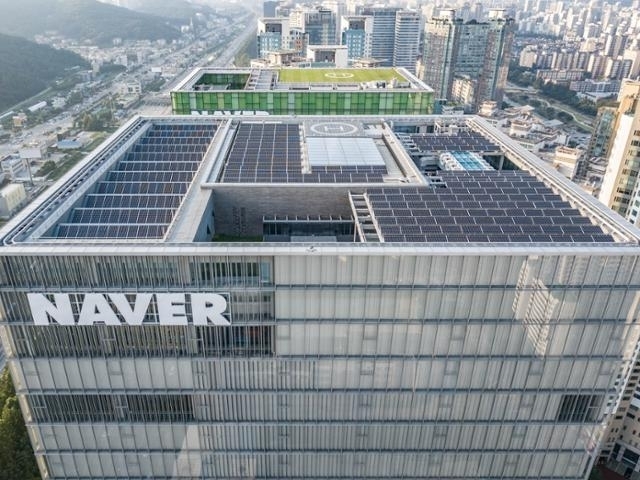
Naver is setting up a logistics subsidiary to take on Coupang Inc's Rocket Delivery service directly. The company plans to expand its delivery network around leased facilities while structuring its financing and revenue model to minimize the impact on cash flow.
"We expect infrastructure investment of around 1 trillion won will be needed through 2030, but we plan to arrange appropriate financing and a revenue structure so that the impact on cash flow and profit remains limited," Choi said. "We will lead the design of systems and data infrastructure, forecast commerce demand and volume, and position inventory close to users to achieve efficient delivery from the same infrastructure."
The decision reflects strong growth momentum in Naver's commerce business. Platform sales rose 7.3 percent year-on-year and 2.4 percent quarter-on-quarter, driven by advertising revenue growth from AI monetization efforts and increased purchases through the Naver Plus Store app and membership program. Service sales climbed 13.1 percent year-on-year as the commerce ecosystem strengthened.
"N Delivery transaction volume in the third quarter grew 38 percent year-on-year," Choi said. "Early-morning delivery hubs expanded from three to nine in the first half of this year, early-morning delivery transaction volume grew more than fourfold year-on-year, and the guaranteed-arrival success rate has held at around 98 percent."
Naver is also pursuing new growth engines in AI services. The company plans to release a personal AI agent app before the end of the year. Unlike its existing search service — which answers user queries or recommends information — the new AI agent will proactively manage tasks users need done and carry them out directly.
"We will connect Naver's shopping, place, reservation and payment services with our own API so the agent can search for products and complete actual transactions such as bookings and payments at the user's request," Choi said. "We are also preparing to handle user tasks on external services not directly integrated with Naver through an isolated browser environment."
Results from Naver's existing AI search service are already emerging. "The share of users navigating from the AI tab to shopping-related services has nearly doubled since launch," Choi said. "We will refine the service so that AI-based recommendations lead to actual purchases and transactions, and we will also expand our advertising billing model from a click-based system to one centered on transaction outcomes."
Naver has also secured a new contract in AI infrastructure. The company signed a computing service supply agreement worth around 2 trillion won tied to its AI factory project with Brookfield and Nvidia. Naver plans to strengthen its competitive position by proactively securing data center infrastructure capable of accommodating Nvidia's next-generation GPU, the Vera Rubin.
"We have secured customers for the initial supply volume next year, and related sales will begin flowing in sequentially from the first half of next year," Choi said. "We plan to pursue medium- to long-term contracts with large customers while expanding our customer base to high-growth-potential global AI companies, securing not only stability but also strong profitability."
Meanwhile, Naver disclosed that it recorded sales of 3.47 trillion won and operating profit of 451.3 billion won in the third quarter of this year. Sales rose 10.7 percent year-on-year, setting an all-time high across all quarters. Operating profit, however, fell 20.9 percent year-on-year as AI infrastructure investment costs increased.
chami@heraldcorp.com