Cumulative wholesale sales top 1 million in October, 11 years after 2015 launch
Milestone follows US (2003) and Canada (2019)
Kia beats Hyundai Motor to North American triple
Rio accounts for 270,000 units; K3 drives further growth
$649 million investment at Monterrey plant to launch EV3 production
Kia has crossed the 1 million cumulative sales mark in Mexico just 11 years after entering the market, becoming a million-seller in all three North American countries — the United States, Canada and Mexico — and beating its Hyundai Motor Group affiliate Hyundai Motor to the milestone.
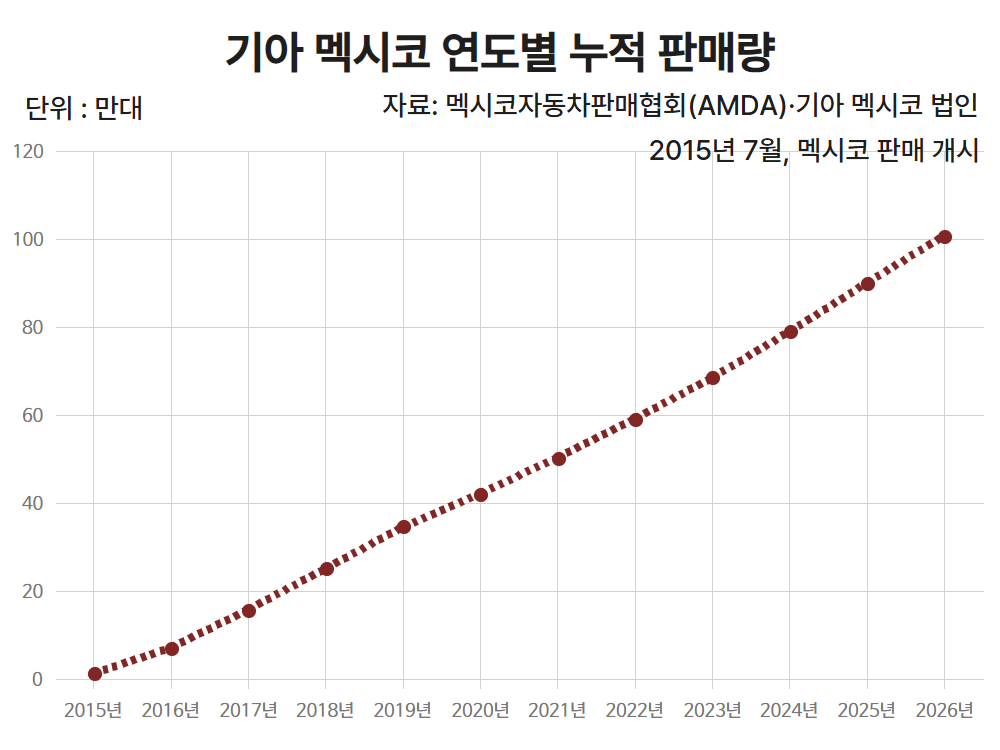
According to industry sources, Kia recorded cumulative wholesale sales of about 1.005 million vehicles in Mexico last month, roughly 11 years and three months after it began selling cars there in July 2015. Cumulative retail sales have also reached about 992,000 units, with the 1 million mark on a retail basis expected to be crossed this month.
Strong sales momentum this year pushed Kia past the milestone faster than initially expected. The automaker sold 10,401 vehicles in Mexico last month, a 10.3 percent increase from the same month a year earlier and a record monthly figure. Sales for January through October this year reached 92,500 units, up 2.1 percent from the same period last year. Kia holds a 7.2 percent market share and ranks fifth in Mexico's overall auto market.
With the Mexico milestone, Kia has now surpassed 1 million cumulative sales in all three North American markets. The automaker first crossed the threshold in the United States in 2003, nine years after entering that market in 1994, and reached the same mark in Canada in 2019, two decades after its 1999 entry there.
The achievement also stands out against competitors. Brands that have reached 1 million cumulative sales in all three North American markets include Toyota, Nissan, Volkswagen, Honda and Mazda. Among them, Mazda crossed the mark in Mexico in September this year, 21 years after entering that market.
Kia has also outpaced Hyundai Motor, which entered Mexico a year before Kia. Hyundai Motor has surpassed 1 million cumulative sales in the United States and Canada but has sold only about 530,000 vehicles in Mexico.
Kia expanded its sales base in Mexico rapidly from the start. After launching local sales in July 2015, it sold 58,000 vehicles the following year and grew to 87,000 in 2017. Annual sales hovered around 90,000 units thereafter before dipping briefly in 2020 due to the COVID-19 pandemic, then rebounding the following year. In 2024, Kia sold 104,384 vehicles — up 11.7 percent from the prior year — breaking the 100,000-unit annual barrier for the first time. Last year, it set another record with 111,172 units, marking two consecutive years of record annual sales.
A small-car strategy tailored to local demand has been central to Kia's growth in Mexico. The Rio has been the standout model, with 267,000 units sold between 2016 and 2024. In 2022 alone, 50,000 Rios were sold, making it the top-selling vehicle in Mexico's entire auto market that year.
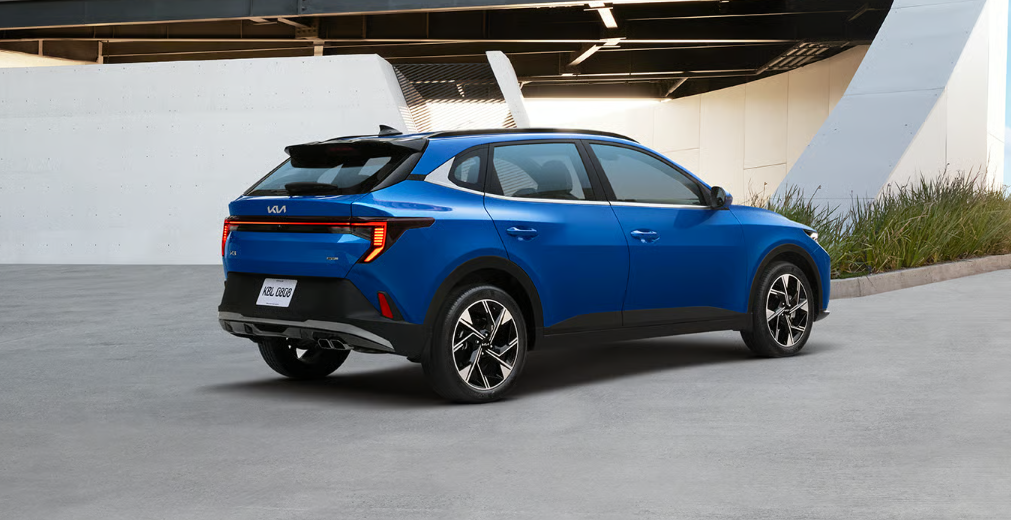
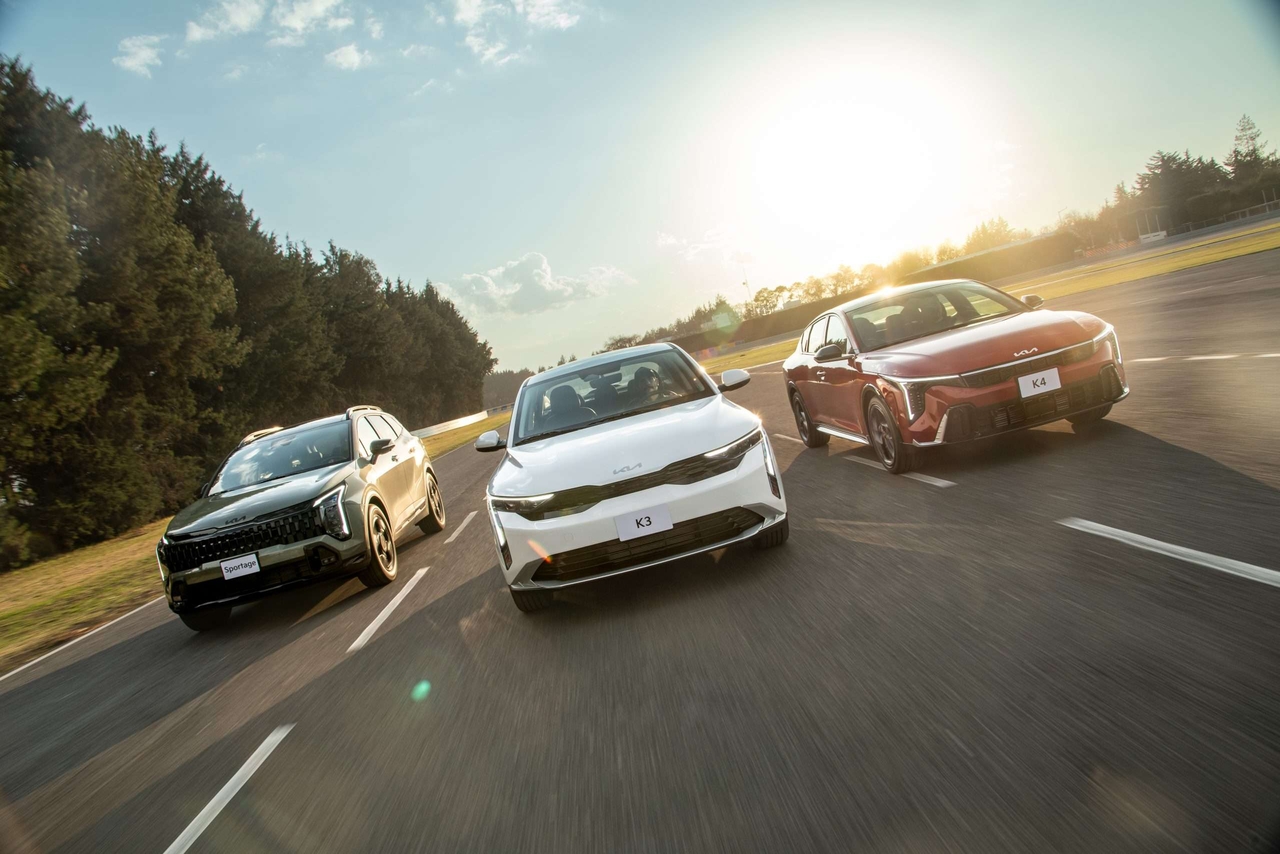
The K3 has since taken the baton from the Rio. The locally produced model sold 56,500 units last year, ranking fourth in Mexico's overall market. Through October this year, 49,000 K3s have been sold, cementing its place as Kia's lead model in the country. The K4, Sportage and Seltos have also contributed to the sales expansion.
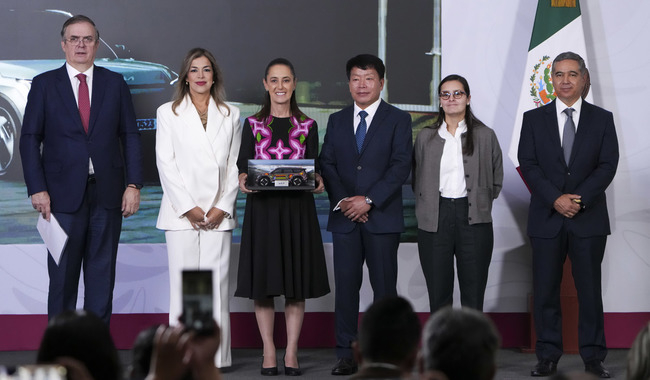
A local production base has been another pillar of Kia's growth. The automaker launched operations at its Pesquería plant near Monterrey in May 2016. With an annual production capacity of 400,000 vehicles, the facility produces the K3 and K4 and serves as a key export hub supplying Mexico, the United States and Latin America.
Kia is now expanding the plant into an electric vehicle production base. In July, the company announced a total investment of $649 million through 2028 to retrofit existing production lines for simultaneous output of internal combustion engine vehicles and electric vehicles, while also expanding charging infrastructure and solar and water-treatment facilities. The Mexican government projects the investment will create 2,000 direct jobs by 2030.
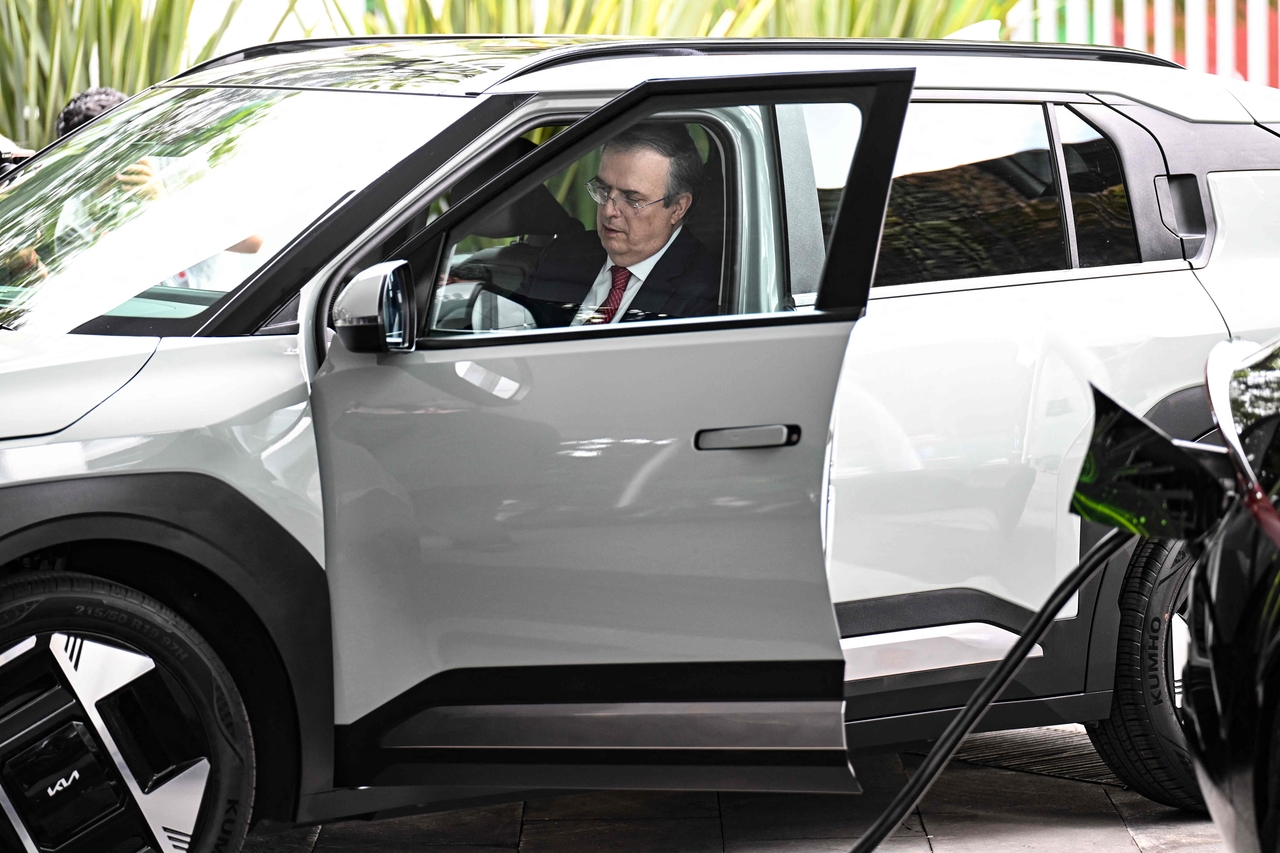
In August, Kia also began mass production of the EV3, a compact electric SUV, at the Pesquería plant — its first overseas production site for the model. Vehicles produced there are supplied to Mexico and Canada. With the EV3 added to the K3 and K4 lineup, the plant is strengthening its role as a global export hub.
Kia has also stepped up local marketing efforts. The automaker launched special editions of the K3, K4 and Sportage to coincide with this year's North and Central America World Cup, targeting Mexican consumers.
kwater@heraldcorp.com