73 sections targeted, covering 55 stretches of roadway and 18 sidewalk segments
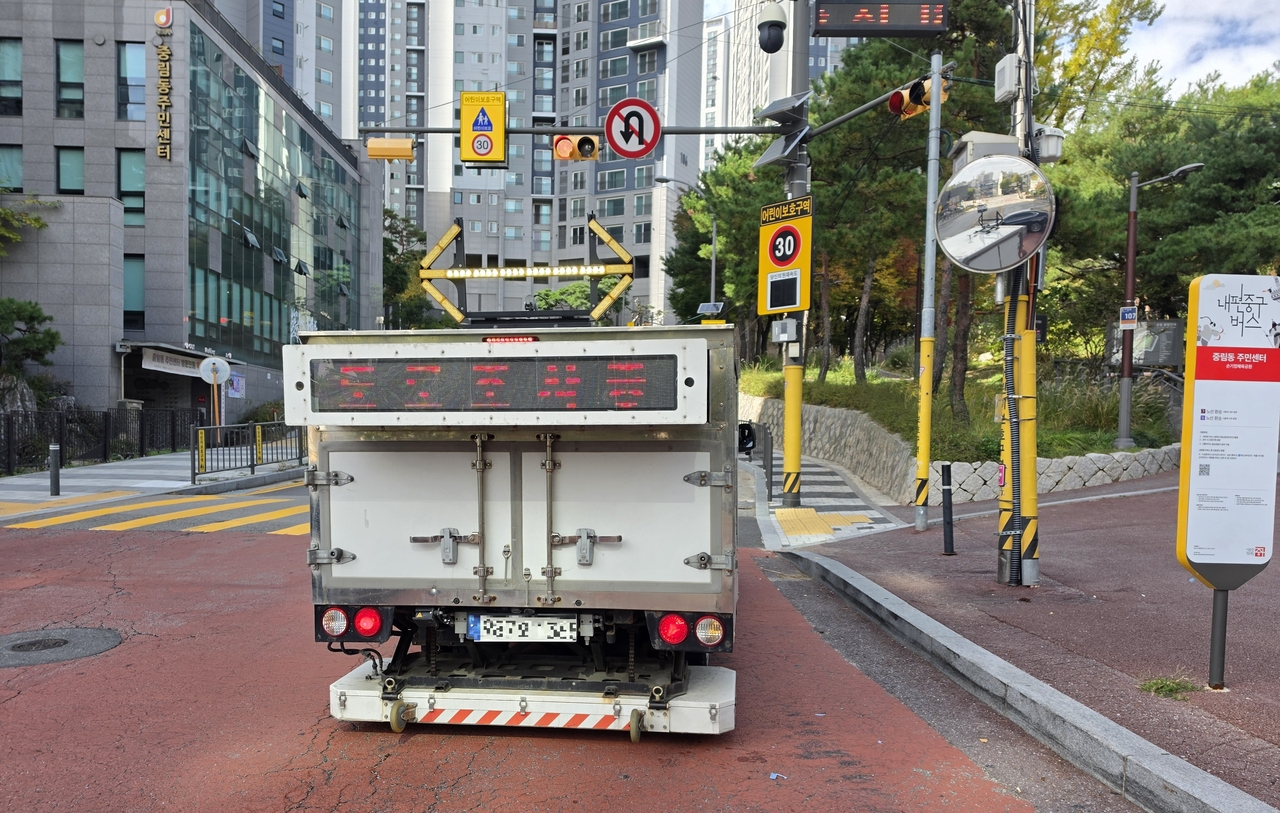
Seoul's Jung-gu announced Thursday it will conduct preemptive ground-subsidence inspections across 41.8 kilometers of roads in the district. Officials have designated 73 sections as priority inspection zones — ranging from areas near redevelopment and excavation sites to subway stations and school commute routes — and will carry out underground cavity surveys to detect voids beneath road surfaces.
Although Jung-gu's ground is relatively stable, active redevelopment and construction projects are under way across the district, and underground infrastructure including subway lines and water and sewage systems is densely concentrated throughout the area.
The survey covers 55 sections of roadway and back streets spanning about 25.1 kilometers, and 18 sidewalk sections spanning about 16.7 kilometers, for a combined total of 73 sections and 41.8 kilometers. Sites were selected based on a history of past subsidence, proximity to underground development or excavation work, and locations near subway stations.
Inspectors will use ground-penetrating radar equipment to scan beneath road surfaces without digging. The technology detects cavities — hollow spaces that can cause ground subsidence — by sending radar waves into the earth. When a cavity is found, officials plan to assess its size and condition and carry out any necessary repairs promptly.
The survey is expected to wrap up in January.
Last year, the district used a satellite positioning system to monitor ground subsidence, measuring subtle changes in road surface elevation once a week to collect and analyze surface-movement data, enabling early detection of subsidence signs and preemptive risk mitigation.
"We will carefully inspect not only areas around construction sites but also the school routes children use every day, to build a safe Jung-gu where residents can go about their lives with peace of mind," Jung-gu District Mayor Kim Gil-sung said.
ikson@heraldcorp.com