Open to all single-person households in Gwanak-gu regardless of income, the pilot drew 172 applications and closed early Tuesday. Women accounted for 131 applicants (76.2%), with residents in their 30s the largest age group at 49 (28.5%). Visits and repairs will be completed through December.
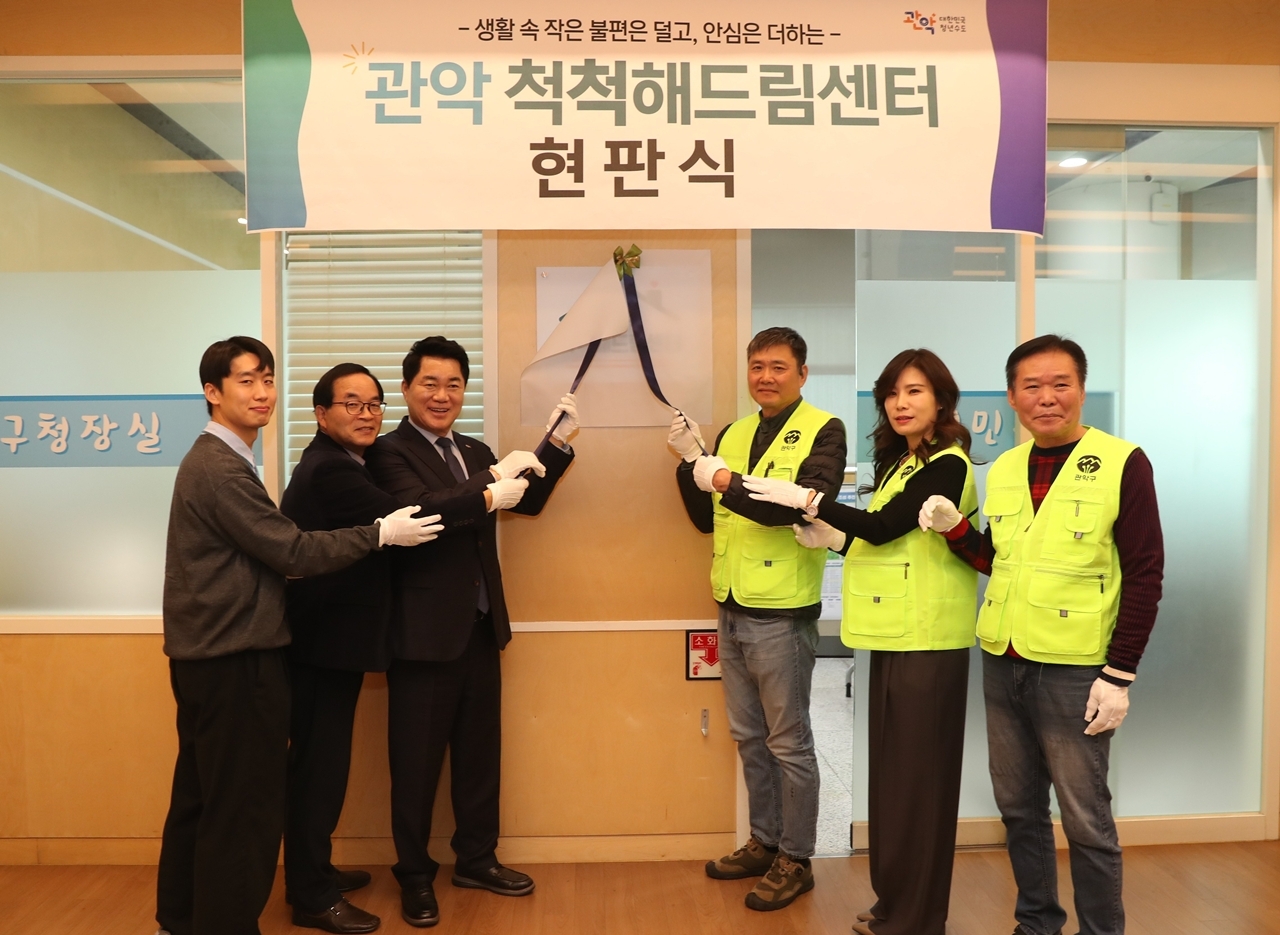
Gwanak-gu is launching a pilot home-repair service called the Gwanak Cheokcheok Haedeurim Center to help single-person households tackle small but persistent residential problems — from replacing light bulbs and door handles to patching torn window screens — with a direct visit from district staff.
Single-person households make up 64 percent of all households in Gwanak-gu, the highest share among Seoul's 25 autonomous districts. Residents living alone often find even minor home repairs daunting to handle by themselves, and using private contractors can mean both financial strain and the discomfort of letting a stranger into their home. The district designed the program with those concerns in mind, aiming to give single-person households a safe and accessible way to get help.
Applications were open to all single-person households in Gwanak-gu with no income requirement, and strong public interest pushed the total to 172 submissions before the program closed early Tuesday. Women made up 131 of the applicants (76.2%), and residents in their 30s were the largest age group at 49 (28.5%), while those aged 70 and older accounted for 36 applicants (20.9%), reflecting demand across a wide range of ages.
The district will review each submission for eligibility and feasibility before scheduling visits in sequence. To reach as many residents as possible, each household will receive assistance for its single most urgent request.
A two-person mobile response team will visit each approved household and can handle replacing light fixtures, faucets, door handles and showerheads; repairing hinges and simple window screens; installing safety grab bars and non-slip pads; and performing basic handyman tasks such as small silicone sealing jobs and nail driving. Work requiring specialized skills or extensive construction — including wallpapering, flooring, boiler repairs, waterproofing, and appliance installation or repair — falls outside the program's scope, as do jobs that pose significant safety risks or cause no meaningful disruption to daily life. In those cases, the district will refer residents to other suitable programs where possible.
Staff will document conditions before and after each visit as part of ongoing quality management, and residents will be asked to complete a satisfaction survey via QR code immediately after service. The district plans to review and refine its procedures — from application through on-site visit to job completion — and incorporate user feedback before relaunching the center in February 2027.
The district said the new center extends its longstanding commitment to field-based, resident-centered administration — built around the Gwanak-cheong community office network under the guiding principle of "winning hearts through listening" — and will continue to deliver tangible improvements to residents' everyday lives.
In September, Gwanak-gu became the first local government in South Korea to receive a special award at the OIDP Participatory Democracy Good Practice Awards, earning international recognition for its model of open, collaborative governance. More recently, the district held community assemblies in all 21 of its neighborhoods, drawing more than 4,000 residents and identifying 83 local agenda items, further strengthening the foundation of grassroots participatory democracy.
"Even small tasks like changing a light bulb or fixing a door handle can feel like a big burden for people living alone — that is why we launched this program," Gwanak-gu District Mayor Park Jun-hee said. "We will keep delivering field-centered, everyday welfare that looks after residents' lives the way you would look after your own family."
seouldream01@heraldcorp.com