Four-month intensive program begins Sunday; 12-person street counseling team operates around the clock
Police, welfare facilities to conduct joint patrols; free medical care and cold-weather supplies provided
Fire safety inspections completed at 36 jjokbangchon buildings; safety wardens to patrol three times daily
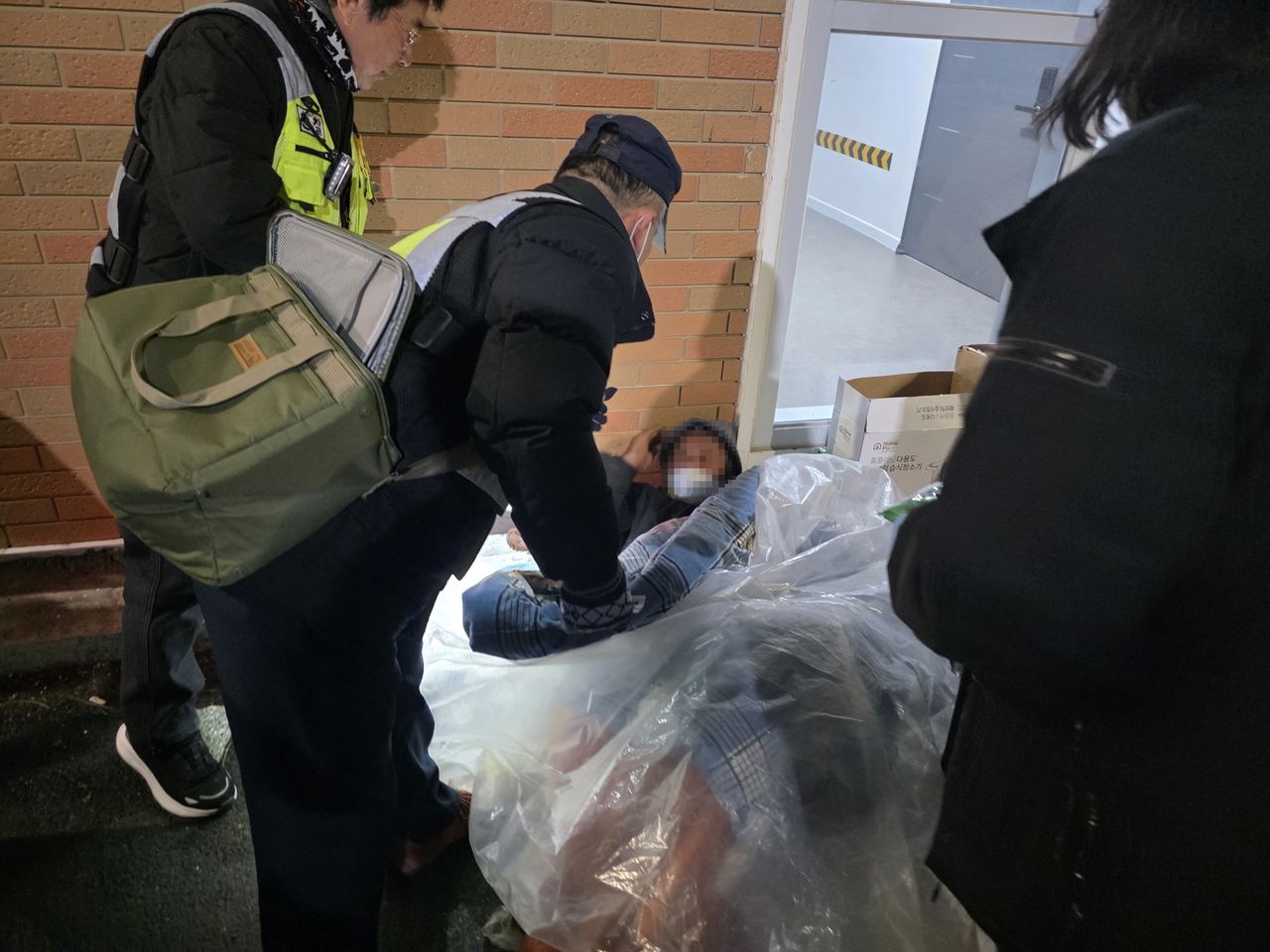
Yeongdeungpo-gu in Seoul will launch a round-the-clock field protection system this winter to safeguard homeless people and residents of low-income lodging clusters, known as jjokbangchon, from cold-weather emergencies.
The district will run its "2026 Winter Special Protection Plan for Homeless and Jjokbangchon Residents" for four months, from Sunday through March next year.
The program will focus on areas near Yeongdeungpo Station and jjokbangchon neighborhoods in Yeongdeungpo-bon-dong, Yeongdeungpo-dong and Mullae-dong. The district plans to step up nighttime and late-night patrols during the coldest periods and identify residents in crisis early so they can receive support promptly.
To that end, a 12-person homeless street counseling team will be divided into three shifts and operate 24 hours a day. The team will patrol key locations to check on the health of homeless people and jjokbangchon residents, connect them with emergency shelter and lodging options, refer them to medical services, and distribute cold-weather supplies such as hand warmers, gloves and scarves.
The district will also strengthen cooperation with police. Joint patrols with the Seoul Metropolitan Police Agency's wide-area prevention patrol unit, the Yeongdeungpo Station police box and homeless welfare facilities will be conducted to identify street homeless people in need of emergency relief and reduce gaps in protection coverage.
Medical support will be expanded as well. To minimize a gap in care following the relocation of Yosep Clinic, which had previously provided free medical services, the district will offer free consultations three days a week — Monday, Thursday and Friday — at the Bohyeon Hope Support Center near the jjokbangchon. Doctors and nurses will visit the site from 2 p.m. to 5 p.m. to attend to residents' health needs.
During January and February next year, when cold snaps are most severe, bathing support for jjokbangchon residents will also be expanded. Vouchers for the designated "Donghang Bathhouse" will be increased from two to four per month. The bathhouse helps residents maintain hygiene and health, and doubles as a late-night cold-weather shelter.
This year, the district is placing particular emphasis on fire prevention in jjokbangchon areas. It has completed fire safety inspections of 36 buildings and identified 72 issues — including the use of aging power strips and missing fire extinguishers — and is now carrying out corrective measures.
In addition, the district will operate a "jjokbang safety warden" program, conducting fire prevention patrols three times a day. During the day, five jjokbang counseling center staff members and one dedicated safety manager will handle patrols; at night, participants in a homeless employment program will take over. Patrol hours are 2–4 p.m., 11 p.m. to midnight, and 5–6 a.m. the following morning.
"Winter cold snaps can be directly life-threatening for homeless people and jjokbangchon residents, which is why proactive, field-centered protection is paramount," a district official said. "We will do our utmost to keep the 24-hour patrol and public-private relief system running without disruption, so that all residents can spend a safe and warm winter."
seouldream01@heraldcorp.com